Why Non-Textured Shoe Covers are Critical for Forensic DNA Integrity
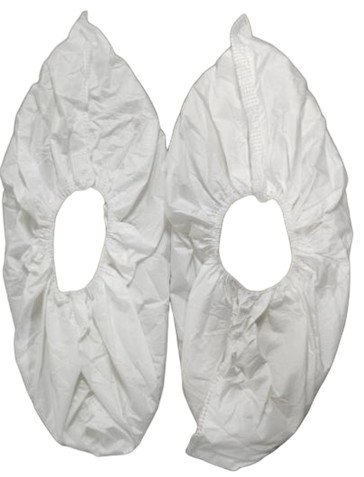
In a forensic DNA laboratory, the integrity of every sample is paramount. The smallest introduction of foreign DNA can compromise an analysis, potentially affecting the outcome of an investigation. This is where contamination control becomes a foundational practice, and personal protective equipment (PPE) like shoe covers plays a vital role. Unlike ordinary shoe covers, disposable non-textured forensic shoe covers are specifically engineered for environments where trace evidence and amplified DNA are present.
The critical advantage of a smooth, low-shedding material is its ability to minimize particulate generation. Textured surfaces can trap and later release fibers, skin cells, or environmental debris. A non-textured surface presents no such hiding places, significantly reducing the risk of a technician inadvertently becoming a source of contaminating DNA. This design is essential for maintaining the pristine conditions required for sensitive processes like PCR amplification and STR analysis.
Preventing Sample Contamination: The Role of Smooth, Low-Shedding Materials
The primary defense against sample contamination in a lab is a combination of rigorous protocols and the right materials. Forensic shoe covers constructed from low-shedding materials act as a physical barrier, preventing contaminants from the soles and uppers of street shoes from entering the controlled environment. These materials are often manufactured using advanced polymer blends that do not fray or generate lint, ensuring that as personnel move through different lab zones—from the evidence intake area to the post-PCR laboratory—they do not carry particulates with them.
Furthermore, the choice of material directly impacts the laboratory's air quality and surface cleanliness. In areas where DNA extraction and quantification occur, airborne particulates can settle on equipment and open tubes. By utilizing shoe covers designed to minimize shedding, laboratories can better control their environmental monitoring metrics and uphold the stringent standards required for forensic casework accreditation.
Maintaining Chain of Custody: How Proper PPE Upholds Lab Protocols
The chain of custody is a legal principle that requires the documented, unbroken sequence of control over physical evidence. While often associated with evidence bags and signatures, it extends deeply into laboratory procedures. Proper use of disposable PPE, including shoe covers, is a procedural step that supports this chain. It demonstrates a laboratory's systematic approach to preventing evidence tampering and cross-contamination from the moment evidence enters the facility.
Standard forensic laboratory operating procedures (SOPs) will mandate specific PPE protocols for different rooms. For example, the requirements for a crime scene equipment staging room may differ from those of the main amplification lab. By donning fresh, non-textured shoe covers upon entry into a controlled area, analysts create a documented, repeatable practice that can be audited. This practice not only protects the science but also fortifies the laboratory's findings against legal challenges regarding procedural integrity.
Key Features of Our High-Quality Disposable Shoe Covers
Selecting the right forensic laboratory supplies involves scrutinizing product specifications to ensure they meet the exacting demands of DNA analysis. Our disposable non-textured shoe covers are designed with features that address the specific challenges of a modern forensic DNA lab. From material science to user safety, each feature contributes to a more secure and reliable contamination control strategy.
The construction goes beyond simply being a barrier; it incorporates elements for comfort, durability, and compatibility with other safety measures. This holistic design ensures that the shoe covers are an effective and seamless part of the daily workflow, rather than a cumbersome necessity. Laboratories investing in these details are investing in the reliability of their analytical results and the safety of their personnel.
Superior Material Construction: Latex-Free, Anti-Static, and Durable
The foundation of any reliable disposable shoe cover is its material. Our products are manufactured from a latex-free compound, eliminating the risk of allergic reactions among staff and preventing potential interference with certain chemical assays. The material is also treated to be anti-static, a crucial feature for environments where dust and other lightweight particulates must be controlled. Static attraction can draw contaminants onto surfaces, so an anti-static property helps maintain a neutral environment.
Durability, or puncture resistance, is another key specification. Forensic laboratories are active workplaces where personnel may encounter sharp edges of equipment or furniture. A shoe cover that tears easily compromises the entire contamination control barrier. Our shoe covers are tested for strength, providing a reliable shield throughout a shift without compromising the essential low-shedding and non-textured qualities necessary for DNA work.
Secure Fit Design: Elastic Ankles and Non-Slip Soles for Safety
A shoe cover that does not stay on is ineffective. Our design incorporates a strong elastic ankle that ensures a snug fit over a variety of footwear, from street shoes to dedicated lab footwear. This secure fit prevents the cover from slipping off during movement, which is both a safety hazard and a contamination risk. If a cover bunches or comes loose, it can cause a trip or allow the wearer's shoe to contact the clean floor directly.
Additionally, the sole design is engineered for safety. Many models feature a non-slip tread pattern to provide traction on smooth laboratory flooring, which may be treated with chemicals or become wet. This focus on safety complements the contamination control purpose, ensuring that personnel can move confidently and safely through the laboratory while adhering to the strictest PPE protocols. Safety and scientific integrity are thus served simultaneously.
Selecting the Right Forensic Shoe Covers for Your Laboratory
Not all laboratories have identical needs, and a one-size-fits-all approach to contamination control is insufficient. The selection of disposable shoe covers should be a considered decision based on a laboratory's specific workflow, physical layout, and the sensitivity of the analyses performed. Factors such as the lab's cleanroom classification, the volume of casework, and the types of evidence processed all influence the optimal choice.
Making an informed selection involves evaluating both the laboratory environment and the technical specifications of the available products. By aligning these factors, lab managers can implement a PPE strategy that provides robust protection without unnecessary cost or complexity. This tailored approach is a hallmark of a well-managed forensic DNA laboratory that prioritizes both quality results and operational efficiency.
Assessing Your Lab Environment: Cleanroom Classifications and Contamination Risks
The stringency of contamination control measures is often guided by the laboratory's designated cleanroom classification or its internal zoning policy. Areas where amplified DNA products are handled, such as a post-PCR laboratory, typically require the highest level of protection to prevent carryover contamination. In these zones, shoe covers with higher barrier integrity and superior low-shedding properties are non-negotiable.
Conversely, areas like evidence storage or administrative spaces may have lower inherent contamination risks. However, a prudent policy often involves using shoe covers upon any entry into the laboratory suite to establish a consistent culture of cleanliness. Understanding the flow of personnel and materials through different lab zones allows for the creation of a graded PPE policy, where the level of protection, including the type of shoe cover, is matched to the area's specific vulnerability to DNA contamination.
Shoe Cover Specifications: Weight, Thickness, and Puncture Resistance
When reviewing product options, key shoe cover specifications provide objective data for comparison. Weight, often measured in grams per square meter, and thickness, measured in microns, are indicators of material density and barrier strength. Heavier, thicker covers generally offer greater durability and puncture resistance, which is important in high-traffic areas or where handling sharp evidence is possible.
However, the optimal balance must be struck. Excessively thick covers may be uncomfortable or reduce tactile feedback for the wearer. The goal is to select a product with specifications that mitigate the identified risks in your lab without hindering personnel. For instance, a high-throughput DNA lab processing a large volume of reference samples might prioritize a moderately weighted, highly puncture-resistant cover that can withstand a full shift's activity, while ensuring it remains low-shedding to protect the analytical process.
Best Practices for Using Disposable Shoe Covers in Forensic Settings
Having the right equipment is only the first step; its correct use is what delivers results. Implementing best practices for disposable shoe covers ensures they function as intended within the laboratory's overall quality management system. These practices encompass everything from how they are put on and taken off to how they are finally discarded, forming a complete cycle of use that minimizes risk at every point.
Training all personnel on these standardized procedures is essential. Consistency in practice prevents lapses that could introduce contaminating DNA or compromise safety. When these best practices are diligently followed and integrated into the laboratory's daily routine, they become a powerful, habitual defense against one of the most significant threats to forensic DNA analysis.
Proper Donning and Doffing Procedures to Avoid Cross-Contamination
The processes of putting on (donning) and taking off (doffing) PPE are critical moments for preventing cross-contamination. The correct order is to don shoe covers after other protective garments like coveralls or lab coats, ensuring the legs of these garments are over the elastic ankle of the shoe cover. This sequence creates a continuous barrier from head to toe.
Doffing procedures are equally important and must be performed in a designated area, often an anteroom or at the lab exit. Shoe covers should be removed carefully to avoid shaking loose any collected particulates, and they must be disposed of immediately into a dedicated contaminated waste bin. Hands should then be sanitized or washed. This disciplined approach ensures that potential contaminants are contained and not transferred to "clean" areas like offices or hallways, maintaining the integrity of the laboratory's controlled environments.
Integration into Standard Forensic Laboratory Operating Procedures (SOPs)
For any practice to be sustainable and auditable, it must be formally documented. The use of disposable non-textured shoe covers should be explicitly detailed within the laboratory's Standard Operating Procedures (SOPs). The SOP should specify the types of covers required for different lab zones, the correct donning and doffing sequences, and the frequency of change (e.g., per entry, per shift, or when visibly soiled).
This formal integration serves multiple purposes. It provides clear instruction for all staff and trainees, serves as a reference for quality audits, and demonstrates the laboratory's commitment to standardized, high-quality practices. Furthermore, it links the use of this specific PPE directly to the overarching goals of maintaining sample integrity and a defensible chain of custody, showing how a simple item like a shoe cover supports the entire scientific and legal mission of the forensic DNA lab.
Get a Quote
Contact our sales staff, tell us your needs, and we will provide you with the most suitable solution.
Contact Now