Particle Size & Surface Area: The Gateway to Efficient Lysis
The primary objective of grinding is to disrupt the hard mineral matrix (hydroxyapatite) of dental tissue to expose the organic cellular material trapped within dentin and cementum. The effectiveness of this physical disruption is quantified by the final particle size distribution.
The Science of Surface Area
Grinding reduces a solid sample into smaller particles, exponentially increasing its total surface area. For DNA extraction, this increased surface area is crucial because the lysis buffers and proteinase K enzymes must penetrate and digest the organic material to release DNA. Finer, more homogeneous particles create a vastly larger contact area for these reagents, leading to more complete and rapid digestion.
The Consequence of Inconsistent Grinding
Manual or less sophisticated grinding methods often produce a heterogeneous mix of large fragments and fine powder. The large fragments have limited surface area, resulting in incomplete lysis. Protected DNA within these fragments remains inaccessible, directly reducing the overall DNA yield. This is especially detrimental for already compromised or low-copy-number samples common in forensic casework.
Equipment-Driven Precision
Modern automated forensic grinders are engineered to deliver a consistently fine and uniform particle size. By standardizing this output, they ensure maximal, reproducible surface area for every sample. This standardization removes a major variable from the extraction workflow, leading to higher, more predictable DNA yields and more reliable STR amplification results.
Grinding Temperature: Preserving Molecular Integrity
DNA is a thermally labile molecule. Elevated temperatures can cause denaturation (strand separation) and hydrolytic degradation, breaking the long chains into smaller fragments. For forensic STR analysis, which requires intact DNA templates of several hundred base pairs, thermal degradation can be catastrophic.
The Friction Heat Problem
Traditional grinding methods, such as manual milling with a mortar and pestle or using impact-based mills, generate significant frictional heat. This heat is conducted directly into the sample, potentially exposing the DNA to localized high temperatures that compromise its integrity. Even short bursts of heat can fragment DNA, reducing the success rate of PCR amplification for longer STR loci.
The "Cold Grinding" Advantage
The design of advanced forensic grinding equipment prioritizes heat dissipation and low-temperature operation. This is often achieved through optimized mechanical motion, short cycle times, and efficient cooling of the grinding chamber. By maintaining the sample near ambient temperature—a process sometimes termed "cryogenic" or "cold grinding"—the equipment preserves the long-chain DNA molecules essential for generating full, high-quality genetic profiles.
Impact on Degraded Samples
For ancient, historical, or environmentally exposed remains where DNA is already naturally fragmented, controlling grinding temperature is non-negotiable. Introducing additional thermal stress can push the already degraded DNA below the detectable threshold for standard forensic assays.
Equipment as a Foundational Variable
The transition from viewing grinding as a simple mechanical task to recognizing it as a critical, variable-controlled step marks a significant advancement in forensic laboratory practice. Particle size and process temperature are not just specifications on a datasheet; they are performance metrics that directly correlate with analytical success.
Investing in grinding equipment engineered to deliver consistent, fine particle size while rigorously managing operational temperature is an investment in the foundational quality of the entire DNA extraction process. It standardizes the starting point, maximizes the efficiency of chemical reagents, and, most importantly, safeguards the integrity of the precious DNA template. For laboratories handling challenging forensic, archaeological, or missing persons identifications, such equipment is not merely a convenience—it is a vital tool for ensuring the highest possible chance of obtaining a conclusive result and delivering answers.
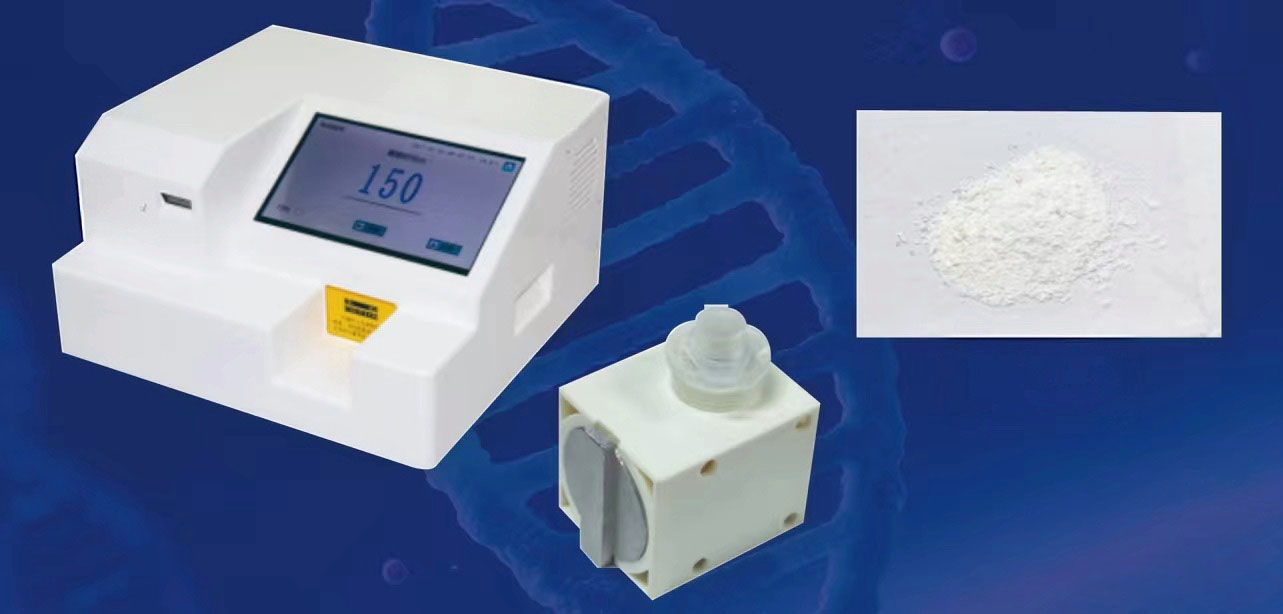
If you are looking for a tooth grinding device suitable for DNA extraction, consider our Automated Forensic Bone/Teeth Grinder: it perfectly meets the requirements for particle diameter and grinding temperature, producing a fine powder, and operates in cold grinding mode.
Reference
Disclaimer: The references below are the theoretical basis for this article and do not imply any recommendation of our equipment.
Raffone, Caterina et al. “Intrinsic and extrinsic factors that may influence DNA preservation in skeletal remains: A review.” Forensic science international vol. 325 (2021): 110859. doi:10.1016/j.forsciint.2021.110859
Brunet, Annaël et al. “How does temperature impact the conformation of single DNA molecules below melting temperature?.” Nucleic acids research vol. 46,4 (2018): 2074-2081. doi:10.1093/nar/gkx1285