What is a Disposable Grinding Chamber?
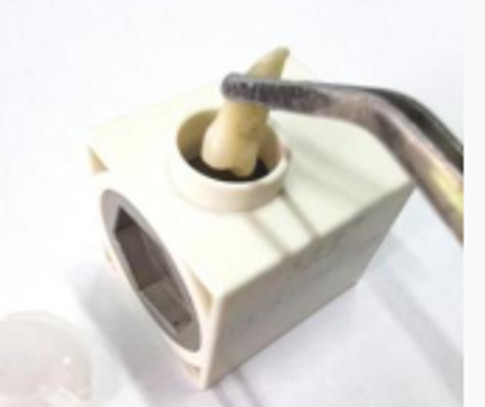
Disposable Grinding Chambers are consumables for Automated Forensic Bone/Teeth Grinders, used for grinding teeth or bones.
In the meticulous world of forensic DNA analysis, the initial step of preparing a biological sample is critical. A disposable grinding chamber is a single-use, sterile device designed specifically for this initial sample preparation phase. Its core function within the DNA extraction workflow is to mechanically disrupt and homogenize tough biological materials, such as bone or tissue, thereby liberating the cellular material and making the DNA accessible for subsequent purification steps. This process is fundamental to successful forensic STR profiling.
The typical design of these chambers includes several key components that work in unison. The main chamber body holds the sample, while an integrated or separate pestle applies the mechanical force needed for grinding. A crucial aspect is the sealing mechanism, often a secure cap or film, which ensures the sample is contained during the vigorous homogenization process. This containment is vital for maintaining a contamination-free environment, protecting both the sample integrity and the laboratory personnel from potential biohazards.
Definition and Core Function in DNA Extraction
The primary role of a disposable grinding chamber is sample homogenization. For forensic scientists dealing with challenging evidence, simply cutting a tissue sample is insufficient. Bones, teeth, and dried stains require a mechanical breakdown to effectively rupture cells and release their contents. By using a dedicated, disposable chamber for this grinding process, laboratories can directly introduce the homogenized lysate into their chosen forensic DNA extraction kits, streamlining the transition from sample to analyzable DNA.
Key Components: Chamber, Pestle, and Sealing Mechanism
The efficacy of the grinding process hinges on the quality and design of its components. The chamber itself is typically manufactured from durable, chemically resistant polymers that can withstand the physical stress of grinding without introducing contaminants. The pestle, whether attached to a cap or used separately, is engineered to fit the chamber perfectly, applying maximum force to the sample. Perhaps most importantly, the sealing mechanism must create an airtight barrier. This prevents the generation of aerosols—microscopic droplets that can carry DNA and contaminate other samples or laboratory surfaces—ensuring the reliability of the entire forensic analysis.
Advantages of Using Disposable Grinding Chambers
Adopting disposable grinding chambers offers transformative benefits for a forensic DNA laboratory's operation and output. The most significant advantage is the near-total elimination of cross-contamination risk. Unlike reusable grinding vessels that require intensive cleaning and decontamination, a single-use chamber is discarded after processing one sample. This practice guarantees that DNA from a previous case cannot inadvertently carry over to a new sample, which is a foundational requirement for producing legally defensible STR profiling results.
Beyond safeguarding sample integrity, these consumables dramatically streamline laboratory workflow. The time and resource costs associated with autoclaving and validating the cleanliness of reusable glass or metal homogenizers are substantial. By switching to pre-sterilized, disposable options, technicians save valuable hours, and laboratories reduce their utility and maintenance costs. This efficiency gain allows personnel to focus on the analytical aspects of DNA testing rather than lengthy preparation and cleaning protocols.
Eliminate Cross-Contamination for Pristine DNA Samples
Cross-contamination is a paramount concern in forensic genetics, where a single stray DNA molecule can compromise an investigation. Disposable grinding chambers act as a primary physical barrier against this risk. Since each sample is processed in its own pristine, certified DNA-free environment, the possibility of sample-to-sample transfer is effectively nullified. This is especially crucial when processing minute or degraded samples, such as those encountered in cold cases or disaster victim identification, where the total DNA yield is low and any contaminant can overwhelm the true signal.
Ensure Sample Integrity and Reliable STR Profiling Results
The integrity of a DNA sample from collection to analysis is non-negotiable. Disposable chambers contribute to this chain of custody by providing a closed, traceable system for initial processing. The secure seal maintains the sample's biological state during homogenization, preventing degradation or evaporation. Furthermore, by preventing the introduction of contaminants or inhibitors from improperly cleaned equipment, these chambers help ensure that the downstream processes—including PCR amplification for STR analysis—proceed without interference, leading to clear, unambiguous, and reliable DNA profiles.
Key Features of High-Quality Disposable Grinding Chambers
Not all disposable consumables are created equal, and for forensic applications, the material specifications are stringent. High-quality grinding chambers are manufactured from polymers that are certified to be free of detectable DNA, RNA, and nucleases. This ensures the vessel itself does not contribute genetic material that could be amplified during PCR. Additionally, the materials should be non-pyrogenic, meaning they do not introduce heat-stable bacterial contaminants that could interfere with sensitive enzymatic reactions in downstream DNA extraction and purification steps.
The physical design must also be robust. Chambers need to withstand significant mechanical force without cracking or deforming, especially when processing hard tissues like bone fragments. The interior surfaces are often designed with specific geometries to enhance grinding efficiency. Equally important are features that aid in laboratory organization and compliance, such as clear, large areas for labeling with case numbers and sample identifiers, and sometimes even barcodes for seamless integration into a laboratory information management system (LIMS).
Manufactured from DNA/RNA-Free, Non-Pyrogenic Materials
The selection of raw material is the first checkpoint for quality. Forensic-grade plastics undergo rigorous production and packaging processes to guarantee they arrive at the laboratory with a certification of being DNA/RNA-free. This is typically achieved through gamma irradiation or ethylene oxide sterilization methods that also ensure the product is sterile and non-pyrogenic. Using such certified materials is a critical step in validating the overall sample preparation protocol and upholding the highest standards in forensic DNA testing.
Secure Seal to Prevent Aerosol Contamination and Leakage
A high-performance sealing mechanism is what differentiates a simple container from a true containment device for sample homogenization. The seal must be easy to engage yet form a perfect closure that locks in the sample during the vigorous grinding process. This containment serves two vital purposes: it prevents biological material from leaking out, protecting the laboratory environment and personnel, and it stops external contaminants from getting in. Most critically, it contains aerosols, which are a primary vector for cross-contamination in molecular biology workflows, thereby safeguarding the entire batch of samples being processed.
Applications in Forensic DNA Laboratory Workflows
The utility of disposable grinding chambers spans the breadth of forensic casework. One of the most demanding applications is in the processing of skeletal remains. Teeth and bone fragments, often recovered from challenging environments, require effective pulverization to maximize DNA yield. Using a dedicated chamber for each bone sample is essential to prevent mixing remains from different individuals, which is a key concern in missing persons cases or mass disaster scenarios managed by a Disaster Victim Identification (DVI) team.
In criminal casework, such as homicide or sexual assault investigations, tissue samples or dried biological stains on fabric may need homogenization to ensure a representative subsample is taken for DNA extraction. The disposable chamber allows for the entire stained portion to be processed securely, ensuring no potential DNA evidence is lost. Furthermore, these chambers are perfectly designed to work in conjunction with modern forensic DNA extraction kits, where the entire homogenized content can often be transferred directly into a lysate-binding solution, minimizing sample handling and loss.
Processing Skeletal Remains and Teeth for DNA Extraction
Obtaining DNA from bone and teeth is a specialized discipline within forensic genetics. These materials are rich in inhibitors and their cellular structure is fortified, making mechanical disruption mandatory. A disposable grinding chamber provides a controlled, clean environment to reduce a bone sample to a fine powder. This powder has a vastly increased surface area, allowing the chemicals in forensic DNA extraction reagents to penetrate effectively and release the often ancient or degraded DNA molecules trapped within the hydroxyapatite matrix, providing the best chance for successful profiling.
Use in Conjunction with Forensic DNA Extraction Kits and Reagents
Modern forensic laboratories rely on optimized, commercially available DNA extraction kits for consistency and efficiency. Disposable grinding chambers are a complementary component to these systems. The homogenization process performed in the chamber creates the initial lysate. The design of high-quality chambers often facilitates the direct addition of proteinase K and lysis buffers from the extraction kit, allowing the digestion to begin immediately within the same sealed vessel. This integrated approach from homogenization to initial digestion reduces transfer steps, saving time and further minimizing the risk of contamination or sample loss.
How to Choose the Right Disposable Grinding Chamber
Selecting the appropriate grinding chamber for your laboratory involves a careful assessment of your specific needs. The primary consideration is the sample type and expected throughput. Laboratories primarily processing soft tissues may prioritize different features than a lab specializing in skeletal analysis. Similarly, a high-volume laboratory will need to ensure a cost-effective and reliable supply chain for these consumables. It is also crucial to verify the physical compatibility of the chamber with your laboratory's existing equipment, such as specific models of bead mill homogenizers or vortex adapters.
Beyond physical specs, documentation and supplier reliability are key. Certificates of Analysis detailing sterility, non-pyrogenic status, and DNA/RNA-free certification should be readily available for each product lot, ensuring traceability—a critical aspect of forensic quality assurance. Finally, partnering with a supplier who offers expert technical support can be invaluable. They can provide guidance on optimizing your grinding protocol for different sample types and ensure you have a consistent supply of high-quality consumables to keep your forensic DNA analysis pipeline running smoothly.
Assessing Sample Type and Throughput Requirements
The nature of forensic evidence is diverse. A chamber ideal for grinding a small tooth may not be efficient for a larger piece of cortical bone. Chamber volume, pestle design, and material strength should be matched to the sample's physical properties. For laboratories with high throughput, perhaps supporting a large DNA database or active DVI unit, the speed of assembly, use, and disposal becomes a significant workflow factor. Evaluating these operational needs alongside the technical specifications will lead to the most efficient and effective choice for your forensic DNA laboratory's unique demands.
Importance of Supplier Support and Consistent Supply Chain
In forensic work, interruptions in the supply of critical consumables can halt casework. Therefore, the choice of supplier is as important as the choice of product. A reliable provider not only guarantees consistent availability of disposable grinding chambers but also stands behind their product quality with comprehensive certifications and responsive customer service. They should understand the stringent requirements of forensic laboratories and be able to offer tailored support, from validating the chambers in your specific sample preparation protocol to ensuring dependable delivery schedules that align with your laboratory's operational planning.
Forensic DNA Labs: Your Partner for Laboratory Consumables
At Forensic DNA Labs, we understand that the foundation of any successful DNA analysis is impeccable sample preparation. Our range of premium disposable grinding chambers is engineered to meet the exacting standards of modern forensic genetics. We provide more than just products; we offer integrated solutions designed to uphold sample integrity from the very first step. Our consumables are sourced and validated to ensure they are DNA/RNA-free and manufactured under strict quality controls, giving you confidence in every sample you process.
Our commitment extends to supporting your entire forensic laboratory setup. We provide a comprehensive portfolio of compatible forensic DNA analysis supplies, from extraction kits and PCR reagents to essential laboratory equipment. Our team includes experts with deep knowledge of forensic workflows who can offer practical guidance on optimizing your sample preparation protocols. We aim to be a reliable partner in your procurement process, simplifying your supply chain and ensuring you have consistent access to the high-quality materials necessary to deliver reliable, legally defensible DNA profiling results.
Premium-Quality Disposable Labware for Contamination-Free Processing
Our focus is on delivering disposable labware that acts as your first line of defense against contamination. Every grinding chamber in our portfolio is selected for its proven performance in real-world forensic applications. We prioritize features that matter: secure sealing technology, robust construction for tough samples, and clear markings for error-free sample tracking. By choosing our consumables, you invest in a workflow that prioritizes purity and reliability, directly contributing to the generation of high-quality DNA profiles that can withstand scrutiny in any judicial setting.
Expert Guidance on Optimizing Your Sample Preparation Protocol
We recognize that implementing new consumables or techniques requires validation. Our technical support team is dedicated to helping you integrate our disposable grinding chambers seamlessly into your existing forensic DNA extraction workflow. Whether you are establishing a new laboratory or seeking to improve the efficiency of your current operations, we can provide evidence-based recommendations on protocol adjustments, homogenization settings, and best practices for handling challenging sample types. Our goal is to empower your laboratory with both superior products and the knowledge to use them effectively.
Get a Quote
Contact our sales staff, tell us your needs, and we will provide you with the most suitable solution.
Contact Now