The Critical Role of Touch DNA in Modern Forensic Investigations
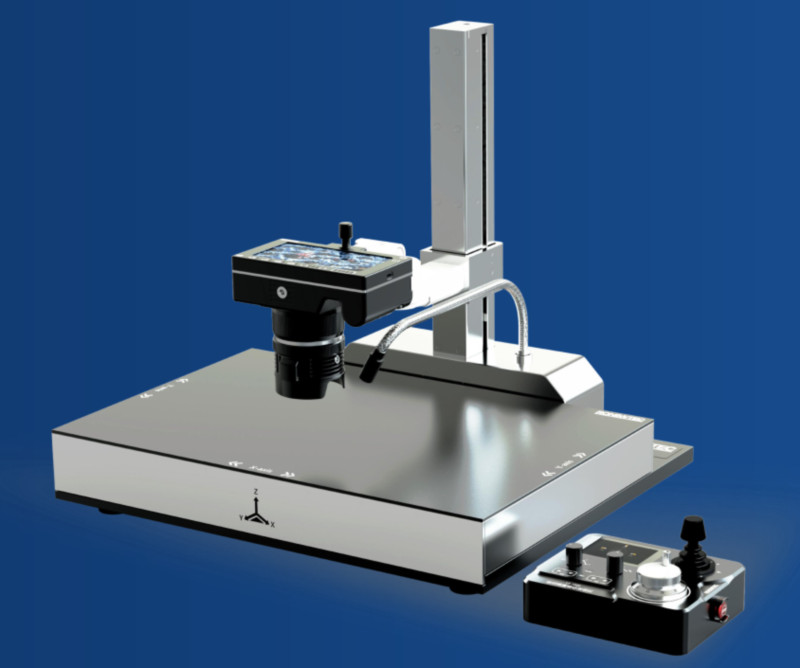
In the landscape of forensic science, the ability to recover genetic material from minute, often invisible traces has revolutionized casework. This evidence, known as touch DNA, originates from skin cells, sweat, or other biological fluids transferred when a person handles an object. Its analysis can place a suspect at a scene, link them to a weapon, or exclude innocent individuals, making it a cornerstone of objective investigative leads.
What is Touch DNA and Why is it Challenging to Recover?
Touch DNA refers to the low-copy number DNA deposited through casual contact with a surface. Unlike a bloodstain, it comprises a scant number of cells, sometimes fewer than ten, which are susceptible to degradation from environmental factors like heat, humidity, and UV light. The primary challenge lies in the efficient collection and stabilization of these fragile samples from complex surfaces before they are lost or contaminated, a process that demands specialized tools and meticulous technique to ensure the genetic profile is suitable for downstream STR analysis.
How Touch DNA Evidence Can Make or Break a Case
The probative value of a touch DNA profile can be immense. In a notable investigation by a European agency, a single skin cell recovered from a discarded weapon's grip provided the crucial match that identified a perpetrator after other forensic avenues had been exhausted. Conversely, the failure to recover such evidence from a key item can leave critical gaps in an investigative timeline. Therefore, the sensitivity and reliability of the initial DNA recovery process directly influence the strength of the forensic conclusions presented in court.
Key Features of Our Advanced Touch DNA Detection Systems
Our portfolio of touch DNA collection systems is engineered to address the precise needs of forensic trace evidence analysis. Each device and kit incorporates features designed to maximize sample integrity from the moment of collection at the crime scene to delivery in the laboratory.
Ultra-High Sensitivity for Low-Copy Number DNA Samples
The core of our technology focuses on maximizing the harvest of cellular material. Through advanced collection media and swab design, our systems are validated to recover a higher percentage of available cells compared to standard methods, increasing the likelihood of generating a complete DNA profile from challenging, limited samples.
Optimized Swabbing and Collection Interface Design
We recognize that not all surfaces are the same. Our system includes a range of micro-swabs and tips with varying textures and moisture levels. This allows an analyst to select the optimal tool for a specific surface—whether it's the rough texture of a tool handle, the smooth plastic of a mobile phone, or the woven fibers of clothing—ensuring effective interaction with the substrate to dislodge and retain cells.
Integrated Contamination Control and Prevention Protocols
Every component, from the swab handle to the storage tube, is manufactured and packaged in a controlled, DNA-free environment. The use of single-use, sterile devices and clear chain-of-custody packaging is a fundamental part of our design philosophy, providing built-in safeguards against introducing exogenous DNA that could compromise the forensic analysis.
Ergonomic and Efficient Workflow for Evidence Collection
Time is often critical. Our devices are designed for intuitive use, allowing for rapid yet thorough sampling. Features such as easy-to-grip handles, pre-moistened swabs in ready-to-use formats, and integrated stabilization buffers streamline the process, reducing handling steps and the potential for error during high-pressure field or lab collection.
Core Technologies Powering Effective Touch DNA Recovery
The efficacy of a touch DNA device is not a matter of chance but of specific, applied technologies. Our solutions are built upon a foundation of material science and biochemistry tailored for forensic DNA recovery.
Precision Micro-Swabs and Collection Media
The point of contact with the evidence is paramount. Our proprietary micro-swabs utilize fibers engineered to create a high surface area for cell adhesion. The swabbing interface is often pre-treated with a mild, DNA-friendly solution that helps to hydrate and lift cells from the surface without causing them to lyse prematurely, preserving the DNA for subsequent extraction.
Enhanced Surface Interaction and DNA Adhesion Chemistry
Beyond physical collection, the chemistry of the swab tip plays a role. The materials are selected and treated to promote the binding of cellular material while minimizing the retention of PCR inhibitors commonly found on surfaces like leather or certain metals. This selective adhesion chemistry is crucial for ensuring the quality of the sample that enters the DNA extraction workflow.
Compatible Stabilization Buffers for Sample Integrity
Once collected, DNA begins to degrade. Our collection kits often include or are compatible with specialized stabilization buffers into which the swab tip is placed. These buffers are formulated to protect DNA from nucleases and microbial growth during storage and transport, maintaining the sample's genetic integrity until it can be processed in the lab, which is vital for successful STR profiling.
Building a Complete Touch DNA Analysis Workflow
Successful touch DNA analysis is a continuum, not an isolated step. Our devices are designed to integrate seamlessly into a validated laboratory process, ensuring continuity from scene to profile.
Step 1: Scene Assessment and Target Surface Identification
The workflow begins with strategic evidence evaluation. Using specialized lighting or other forensic techniques, analysts identify surfaces most likely to retain probative touch DNA deposits, prioritizing items based on case context and the likelihood of yielding a usable profile from the available trace evidence.
Step 2: Optimal Collection with Specialized Devices and Kits
This is the critical intervention point. Based on the surface type (porous like fabric or non-porous like glass), the appropriate collection device from our range is selected. The standardized technique, supported by our tools, ensures consistent pressure, moisture, and swabbing pattern to maximize DNA recovery yield.
Step 3: Seamless Transfer to DNA Extraction and Purification
Our collection tubes are designed to fit directly into common automated extraction systems or manual spin column protocols. The collection media and buffers are optimized to work with a wide range of commercial DNA extraction kits, facilitating efficient release of DNA from the swab matrix and purification from potential inhibitors.
Step 4: Downstream Amplification and STR Profiling
The purified DNA eluate is then ready for amplification. Because our collection and stabilization process aims to preserve DNA quality and minimize inhibitors, the resulting extracts are typically well-suited for sensitive PCR amplification and subsequent capillary electrophoresis, leading to higher-quality STR profiling data for comparison against databases or reference samples.
Applications for Touch DNA Detection Across Evidence Types
The versatility of advanced touch DNA collection systems allows forensic teams to approach a wider array of evidence with confidence, expanding the potential for generating investigative leads.
Processing Latent Fingerprints and Skin Cell Deposits
After fingerprint powder or chemical development, latent prints can be swabbed to recover DNA from the ridge detail. Our systems are equally effective on surfaces where no visible print exists but where skin cell deposits are suspected, such as on window frames, steering wheels, or electronic devices.
DNA Recovery from Weapons, Tools, and Burglary Points
Grips, handles, and trigger mechanisms are prime targets. The textured surfaces of tools or weapons used in a crime often trap epithelial cells. Specialized swabs can access crevices and rough textures to recover this trace evidence, potentially linking a suspect to the item.
Sampling Clothing, Fabrics, and Personal Items
Collars, cuffs, hats, and masks frequently contain touch DNA from the wearer or from others they contacted. Sampling from porous fabrics requires a different approach than hard surfaces. Our kit options include tools with enhanced abrasion properties designed to gently agitate fibers and dislodge cells without damaging the fabric evidence.
Handling Challenging Surfaces: Porous vs. Non-Porous Materials
The substrate dictates the strategy. For non-porous surfaces like glass or plastic, cells often sit on top, requiring a swab that can effectively wipe the area. For porous materials like untreated wood or certain fabrics, cells may wick into the material, necessitating a slightly more aggressive collection technique or a swab with deeper penetrating moisture to retrieve the biological material.
Why Choose Forensic DNA Labs for Your Trace DNA Equipment?
Selecting a supplier for touch DNA technology is a decision that impacts laboratory output and case outcomes. We differentiate ourselves through a commitment to forensic-specific innovation and end-to-end support.
Developed in Collaboration with Leading Forensic DNA Analysts
Our products are not developed in isolation. They are the result of ongoing collaboration with operational forensic DNA analysts and laboratory managers. This partnership ensures that every feature, from swab ergonomics to kit packaging, addresses real-world challenges in evidence collection and laboratory workflow efficiency.
Full Workflow Compatibility with Major DNA Extraction and PCR Platforms
We design for integration. Our touch DNA collection kits and devices are rigorously tested for compatibility with the major automated extraction workstations, manual purification kits, and PCR amplification chemistries used in modern forensic laboratories. This ensures a smooth, validated transition from sample collection to final data analysis without protocol redesign.
Comprehensive Validation Support and Technical Documentation
Implementing a new method requires robust validation data. We provide extensive technical dossiers, including sensitivity studies, inhibitor tolerance data, and compatibility reports to support your internal validation processes required for ISO 17025 accreditation, saving your laboratory significant time and resources.
Dedicated Forensic Support Team for Implementation and Troubleshooting
Our support extends beyond the sale. A team of application scientists with direct forensic laboratory experience is available to assist with implementation, workflow optimization, and troubleshooting. This expert guidance helps laboratories quickly realize the benefits of enhanced DNA recovery and integrate new techniques into their standard operating procedures.
Frequently Asked Questions About Touch DNA Devices
Common inquiries from forensic professionals help clarify the capabilities and integration of our touch DNA systems.
What is the typical DNA yield improvement with your specialized devices?
While yield is highly dependent on the original sample, internal validation studies and user-reported data consistently show a measurable increase in both the quantity and quality of recovered DNA compared to generic swabbing methods. This often translates into higher success rates for generating full DNA profiles from low-copy number samples.
How do you prevent cross-contamination during collection?
Contamination prevention is multi-layered. All consumables are manufactured in a cleanroom environment and undergo rigorous DNase testing. They are then packaged as single-use units in tamper-evident, sterile packaging. This end-to-end control minimizes the risk of introducing foreign DNA during the evidence collection process.
Are your collection kits compatible with our existing laboratory protocols?
In most cases, yes. Our systems are designed to be protocol-agnostic. The swabs or tips are placed into standard or provided collection tubes with stabilization buffer. This tube can then be processed directly using your laboratory's established DNA extraction and purification methods, whether manual or automated.
What training and SOPs do you provide with the equipment?
Each system includes detailed, step-by-step standard operating procedure (SOP) guides. Furthermore, we offer virtual or on-site training sessions conducted by our forensic support team to ensure your personnel are confident in using the devices for various evidence types, ensuring optimal DNA recovery techniques are applied consistently.
Elevate Your Trace Evidence Capabilities Today
Transform your approach to the most challenging evidence with technology designed for forensic success. Contact our specialist team to discuss your laboratory's needs, request a comprehensive product demonstration, or download our technical white paper on best practices for maximizing touch DNA recovery rates and profile quality.
Get a Quote
Contact our sales staff, tell us your needs, and we will provide you with the most suitable solution.
Contact Now