The Critical Role of Real-Time PCR Quantification in Forensic Workflows
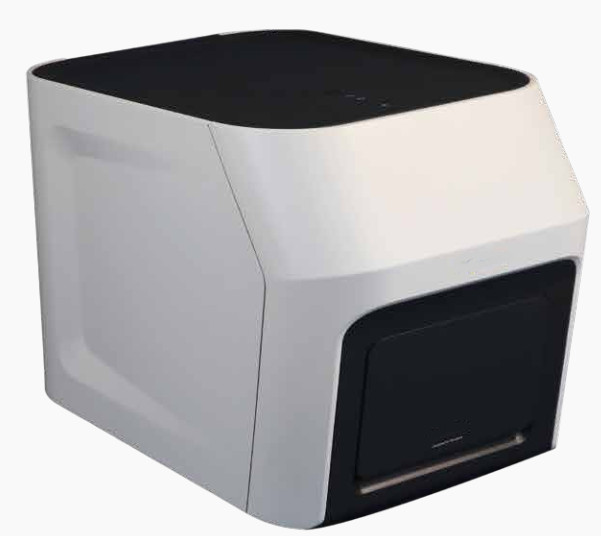
In the meticulous world of forensic DNA analysis, every step must be defensible. The process of DNA quantitation using a real-time PCR instrument is not merely a preliminary check; it is a foundational gatekeeper. This step determines how much of a precious, often limited, crime scene sample will be carried forward for STR analysis, directly impacting the success or failure of generating a usable genetic profile for human identification.
Why Accurate DNA Quantification is Non-Negotiable in Forensic Casework
The principle is straightforward: too much DNA can lead to analytical artifacts, while too little may fail to produce a result. A forensic-grade qPCR system provides the precise measurement needed to "right-size" the sample for the subsequent capillary electrophoresis step. This accuracy is critical for maintaining the integrity of the entire forensic workflow and is a key component of protocols required for laboratory accreditation. Courts rely on the certainty that the DNA profile presented as evidence originated from a reliable and quantifiably sound starting point.
From Crime Scene Sample to STR Profile: The Quantification Step
After DNA extraction, the sample is an unknown quantity. The real-time PCR quant system illuminates this unknown. By using a human-specific qPCR assay, often based on TaqMan probe chemistry, the instrument monitors the amplification of a targeted human genetic marker in real time. The point at which fluorescence crosses a defined threshold—the threshold cycle (Ct)—is compared to a standard curve of known DNA concentrations. This process translates a fluorescent signal into a precise nanogram-per-microliter value, providing the analyst with the essential data to normalize the sample before STR analysis.
Key Features of a Forensic-Grade Real-Time PCR System
Not all qPCR instruments are created equal for the demands of a forensic laboratory. The unique challenges of casework samples—which can be degraded, inhibited, or present in very low amounts—require a system with specific performance characteristics.
Sensitivity and Dynamic Range: Detecting Low-Level and High-Concentration DNA
Forensic samples range from minute touch DNA to high-yield reference samples. An optimal system must have exceptional sensitivity to reliably detect picogram amounts of DNA, crucial for challenging evidence. Simultaneously, a broad dynamic range allows for accurate quantification of both these trace samples and concentrated samples without the need for tedious dilutions, streamlining the forensic workflow and conserving analyst time.
Precision and Reproducibility for Court-Admissible Results
Data must be reproducible across runs, instruments, and analysts. High precision in a qPCR system ensures that repeated measurements of the same sample yield consistent concentration values. This reproducibility is a cornerstone of a robust quality assurance program and is vital for generating the validation data required to support the admissibility of results in legal proceedings.
Multiplexing Capabilities: Simultaneous Quantification and QC
Modern forensic DNA quantification goes beyond just determining "how much." Advanced multiplex PCR assays allow a single reaction to quantify total human DNA while also assessing sample quality. By targeting DNA fragments of different lengths, the assay can calculate a degradation index, informing the analyst if the DNA is broken down. Furthermore, the inclusion of an internal positive control (IPC) allows for the detection of PCR inhibition from substances co-extracted from the evidence, preventing wasted reagents and time on reactions that would otherwise fail.
Throughput and Workflow Integration for High-Volume Laboratories
Efficiency is key for laboratories processing hundreds of samples, such as those supporting a national DNA database. A system's throughput—defined by its plate format and run speed—directly impacts case turnaround times. Furthermore, seamless LIMS integration capability allows for the direct transfer of quantification data (like Ct values and calculated concentrations) into the laboratory information management system, reducing manual data entry errors and creating a more automated, traceable forensic workflow.
Optimizing Your Quantification Assay: Reagents and Kits
The performance of a real-time PCR instrument is fully realized only when paired with optimized chemistry. Dedicated forensic quantification reagents are engineered for robustness and specificity within the complex sample matrix typical of casework.
Human-Specific qPCR Assays for Superior Specificity
Forensic samples from crime scenes may contain non-human DNA. Using a human DNA quantification assay that targets primate-specific sequences ensures that the quantified amount is relevant to the downstream STR analysis. These assays, utilizing fluorescent probes labeled with dyes like FAM or VIC, provide the high specificity required to avoid overestimating DNA quantity from bacterial or other contaminant DNA.
Internal Positive Controls (IPC) and Inhibition Detection
The reliability of a negative or low quantification result must be verified. An internal positive control (IPC) is a synthetic DNA sequence added to every reaction. If the IPC fails to amplify, it signals the presence of PCR inhibitors in the sample extract. This quality control feature, built into modern quantification kits, is essential for accurate data interpretation, preventing false negatives and guiding the analyst to apply appropriate purification procedures.
Pre-Formulated Master Mixes for Streamlined Protocol
Consistency and ease-of-use are critical in a busy lab. Pre-formulated master mixes contain all the necessary enzymes, nucleotides, and buffers optimized for the quantification assay. Using such mixes minimizes pipetting steps, reduces preparation errors, and enhances inter-operator reproducibility, allowing analysts to focus on data review from the software analysis module rather than reaction assembly.
Building a Complete Forensic DNA Quantification Solution
Implementing a new real-time PCR quant system extends beyond the physical thermal cycler and fluorescence detection unit. A complete solution encompasses everything needed to ensure the instrument performs reliably and your team can operate it with confidence from day one.
Instrument Installation, Calibration, and Performance Qualification
Proper setup is the first step to reliable data. Professional installation includes calibration of the optical system and thermal uniformity testing. A formal validation package, often referred to as IQ/OQ/PQ (Installation, Operational, and Performance Qualification), provides documented evidence that the qPCR system is installed correctly, operates according to manufacturer specifications, and performs accurately and precisely in your laboratory environment, a necessity for audit readiness.
Comprehensive Training for Forensic Analysts and Technicians
Effective training transforms a sophisticated instrument into a trusted tool. Hands-on training should cover not only the basic operation of the real-time PCR instrument but also advanced software analysis features, troubleshooting common issues like suspected inhibition, and best practices for maintaining data integrity throughout the forensic workflow. This empowers your team to maximize the system's capabilities.
Ongoing Technical Support, Maintenance, and Service Contracts
Long-term reliability is paramount. Access to responsive technical support ensures expert help is available for operational questions. A proactive preventative maintenance program and available service contracts help minimize unexpected downtime, protecting your laboratory's productivity and ensuring continuous support for critical human identification work and DNA database processing.
Frequently Asked Questions About Forensic qPCR Systems
How does real-time PCR quantification differ from other DNA quant methods?
Unlike spectrophotometric methods which measure all nucleic acids (including degraded DNA and RNA) or fluorometric methods which may lack human specificity, real-time PCR quantification is target-specific and amplification-based. It only quantifies DNA that is amplifiable and of the targeted sequence (e.g., human), providing a much more relevant and accurate measure for the subsequent PCR step in STR analysis. It also provides additional quality metrics like the degradation index.
What validation data is required for implementing a new qPCR system?
Forensic laboratories must perform internal validation studies to demonstrate the system's performance under their specific conditions. Key parameters include sensitivity (limit of detection and quantification), precision (repeatability and reproducibility), dynamic range, accuracy, species specificity, and inhibitor tolerance. Data from studies using the internal positive control (IPC) and assays for a degradation index are also typically required. This body of evidence is essential for laboratory accreditation.
Can your systems be integrated with our LIMS?
Modern real-time PCR quant systems are designed with connectivity in mind. Most systems offer software capable of LIMS integration through standardized file exports (e.g., .csv or .xml formats) or direct bidirectional communication protocols. This allows for automated sample tracking, transfer of quantification results (Ct, concentration), and import of sample plate layouts, significantly reducing manual data handling and improving the efficiency and accuracy of your laboratory's data forensic workflow.
Advancing Your Laboratory's Capabilities
A precise and reliable real-time PCR quant system is more than just another instrument; it is the critical foundation upon which successful forensic DNA analysis is built. By ensuring accurate DNA quantitation, you maximize the success rate of valuable evidence samples, streamline your laboratory's workflow, and uphold the highest standards of data integrity required for human identification and missing persons cases. Investing in a robust quantification solution, complete with expert support and training, empowers your laboratory to deliver confident, timely results. We invite you to consult with our specialists to explore how our portfolio of forensic-grade qPCR systems and complete solutions can advance your laboratory's mission.
Critical Role of Real-Time PCR Quant Systems in Quantifying Touch DNA Evidence
Real-time PCR quant systems provide essential touch DNA quantification for forensic casework. Learn how Cq values, degradation indices, and inhibition detection guide STR amplification success from...
Get a Quote
Contact our sales staff, tell us your needs, and we will provide you with the most suitable solution.
Contact Now