Why Quantify Male DNA with a Y-Chromosome Specific Assay?
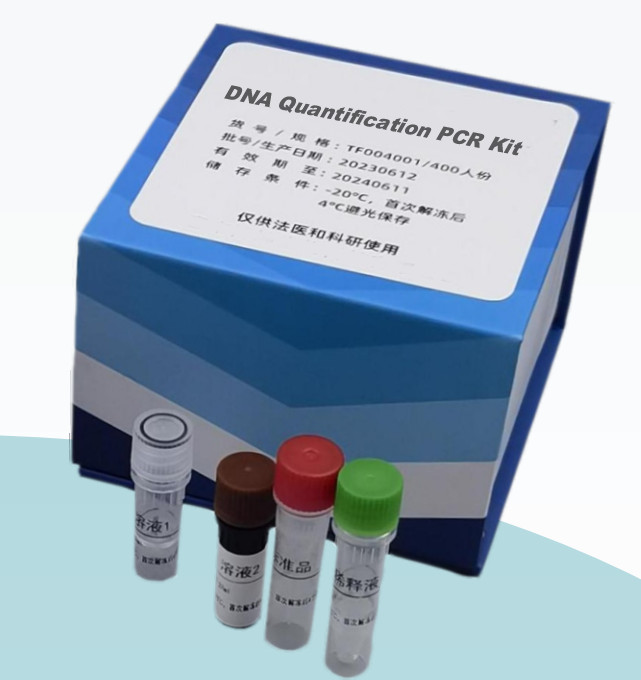
In forensic DNA analysis, accurately measuring the amount of DNA present is a critical first step. This process, known as DNA quantification, ensures that the optimal amount of genetic material is used in subsequent steps like STR amplification. While standard autosomal quantification kits measure DNA from all chromosomes, a Y-chromosome specific assay focuses exclusively on the male genetic component. This targeted approach is indispensable for cases involving complex biological mixtures, such as those frequently encountered in sexual assault evidence, where female DNA may vastly overwhelm the male contributor. By specifically quantifying the male DNA, laboratories can make informed decisions about sample processing and apply specialized techniques to recover a usable male DNA profile.
The value of this focused quantification extends beyond mixture analysis. It is equally crucial for investigating missing persons cases or historical remains, where reference samples might come from distant male relatives through the paternal line. A Y-chromosome quantitation provides a clear, specific measurement of the male lineage DNA present, guiding analysts on the feasibility of Y-STR testing. This method effectively overcomes the limitations of standard quantification when dealing with severely degraded samples or samples containing PCR inhibitors that might affect autosomal markers differently, offering a more reliable assessment of the male DNA's viability for further testing.
Overcoming Mixtures and Low-Template Samples
Forensic evidence is rarely pristine. Samples recovered from crime scenes often contain DNA from multiple individuals and may be present in very low quantities, known as low-template DNA. In a scenario with a high female-to-male DNA ratio, an autosomal quantitation kit might report a total DNA concentration that appears sufficient, but the signal from the minute amount of male DNA could be masked. A Y-chromosome quantification kit, with its high specificity, ignores the abundant female DNA and provides a precise concentration of just the male component. This allows the laboratory to confidently concentrate or dilute the extract to the ideal target amount for a Y-STR amplification kit, maximizing the chance of obtaining a interpretable profile from the male contributor.
This capability is vital for processing challenging evidence types. Samples like touch DNA, fingernail scrapings, or aged sexual assault kits often fall into the low-template category. The sensitivity of a dedicated Y-chromosome assay ensures that even these trace amounts of male DNA are detected and accurately measured. This precise measurement prevents the common pitfall of over-amplifying a low-level sample, which can lead to stochastic effects and unreliable data, or under-amplifying it, which yields no result at all. It brings a higher level of certainty and efficiency to the front end of the forensic DNA workflow.
Essential for Sexual Assault and Missing Persons Investigations
The application of Y-chromosome quantification is a cornerstone in modern sexual assault investigation protocols. When analyzing evidence from a sexual assault kit, the presence of epithelial cells from the victim and sperm cells from the perpetrator creates a complex mixture. Traditional methods might struggle to isolate the male profile without prior differential extraction. Quantifying the male DNA specifically informs the best method for proceeding, whether that's a standard extraction followed by Y-STR analysis or a more focused cellular separation technique. It provides objective data to support the analytical pathway, ensuring forensic resources are used effectively.
In the realm of missing persons and unidentified human remains, Y-chromosome analysis provides a powerful tool for familial searching along the paternal line. Before embarking on costly and time-consuming Y-STR sequencing, it is prudent to confirm that the degraded or compromised sample contains a quantifiable amount of male DNA. The quantification result directly informs the decision to proceed with Y-STR testing and helps predict its potential success. For laboratories working with mass disasters or historical investigations, this assay offers a reliable screening tool to prioritize samples likely to yield valuable paternal lineage information, thereby streamlining the entire identification process.
Key Features of Our Y-Chromosome Quantitation Kit
The design of our Y-chromosome quantitation kit prioritizes the unique demands of the forensic laboratory. We understand that reliability, sensitivity, and ease of integration are non-negotiable. The kit's core chemistry is based on a TaqMan®-style quantitative PCR (qPCR) assay, which includes a fluorescent probe specifically designed to bind to a unique sequence on the Y chromosome. This design ensures that the signal generated is directly proportional to the amount of male DNA in the reaction, providing a digital readout of concentration that is both accurate and reproducible across a wide dynamic range.
Furthermore, the kit includes an internal PCR control (IPC) that is co-amplified with the target Y-chromosome sequence. This control is critical for detecting the presence of substances that inhibit the PCR reaction, a common issue with forensic samples like soil, dye, or humic acids. By monitoring the IPC's fluorescence, an analyst can immediately distinguish between a sample with no male DNA and a sample where male DNA is present but its amplification is being suppressed by inhibitors. This feature prevents false negatives and saves valuable time by flagging samples that may require additional purification or dilution.
High Sensitivity for Degraded or Inhibited Samples
Sensitivity in forensic science is about detecting the truth in minute details. Our kit's assay is engineered for high sensitivity, capable of detecting and quantifying male DNA at levels as low as a few picograms per microliter. This is particularly important for samples that have been exposed to environmental stressors—heat, moisture, sunlight—which break down DNA into smaller fragments. The assay's amplicon (the DNA piece it copies) is kept intentionally short. This "short amplicon" strategy is a proven approach for targeting the still-intact fragments in a degraded sample, allowing for successful quantification where longer assays might fail.
Coping with PCR inhibitors is another critical aspect of sensitivity. The robust chemistry of the master mix included in the kit is formulated to withstand common forensic inhibitors better than standard PCR mixes. When combined with the diagnostic power of the internal PCR control, the laboratory gains a comprehensive picture of sample quality. This allows for intelligent re-processing of samples, such as performing an additional clean-up step on inhibited samples, ensuring that every possible nanogram of male DNA is accounted for and made available for downstream STR analysis.
Exceptional Specificity to Avoid Autosomal Interference
Specificity is what separates a Y-chromosome assay from a general DNA test. The primers and probe in our kit are meticulously designed and validated to bind exclusively to sequences found on the male Y chromosome. They do not amplify DNA from female sources (which lack the Y chromosome) nor do they cross-react with sequences on autosomal chromosomes. This absolute specificity is what allows the kit to function as a precise male DNA filter. In a sample containing a 1000:1 ratio of female to male DNA, the quantification result will reflect only the male component, providing clarity that is impossible with autosomal quantification methods.
This high degree of specificity also minimizes the risk of background noise or off-target amplification, which could lead to inaccurate over-estimation of male DNA. The clean signal ensures that the quantitative data fed into your laboratory information management system (LIMS) is trustworthy. This trust in the data is fundamental for making confident decisions about sample consumption, setting up downstream Y-STR amplification reactions with precise input DNA amounts, and ultimately, for presenting defensible results in a court of law.
Streamlined Workflow Compatible with Major Platforms
Efficiency in the lab is achieved through workflows that are both powerful and simple. Our Y-chromosome quantitation kit is designed for seamless integration into your existing operations. The ready-to-use master mix format reduces preparation time and minimizes pipetting errors. The assay is validated for use on all major real-time PCR platforms commonly found in forensic laboratories, including instruments from Applied Biosystems™, Bio-Rad, and Roche. This compatibility means you can implement this kit without the need for costly new capital equipment.
The streamlined workflow extends to data analysis. The kit works with the standard software provided by your qPCR instrument manufacturer. Results, including DNA concentration and internal control status, are generated in familiar formats, allowing for easy export to your LIMS or case management system. This end-to-end compatibility from bench to database reduces training time for technicians and accelerates the turnaround time for casework, allowing your team to focus on analysis rather than navigating complex new software or protocols.
Integrating the Kit into Your Forensic DNA Workflow
Implementing a Y-chromosome quantification assay is a strategic upgrade to a forensic DNA workflow. Its placement is typically immediately after DNA extraction and prior to any STR amplification. When a case involves evidence likely to contain male-female mixtures (such as swabs from sexual assault cases) or requires paternal lineage testing, an aliquot of the extracted DNA is used for this specific quantification. The resulting concentration value then directly dictates the volume of extract to use in the subsequent Y-STR PCR reaction, ensuring optimal performance of that costly and critical amplification step.
This integration creates a more informed and tiered analytical process. Instead of using a one-size-fits-all approach, the laboratory can apply a targeted strategy. Samples with a high, clean male DNA quantification result can proceed confidently. Samples with very low quantification or signs of inhibition can be flagged for specialized treatment, such as whole genome amplification prior to Y-STR testing or re-extraction using a method better suited for inhibitor removal. This intelligent triage improves overall success rates and resource allocation.
From Sample Screening to STR Amplification
The journey from evidence to profile begins with screening. The Y-chromosome quant kit serves as a powerful screening tool. For high-volume casework, such as processing backlogged sexual assault kits, it allows laboratories to quickly and objectively assess which samples contain sufficient male DNA for further Y-STR analysis. This screening step can prioritize cases and manage workflow efficiently. Once a sample is deemed suitable, the quantification result is not just a number; it is an instruction. Modern STR amplification kits, both autosomal and Y-specific, perform best within a narrow range of input DNA. Using the precise concentration from the Y-quant assay, analysts can calculate the exact volume of DNA extract needed to hit that "sweet spot," maximizing the chance of a complete, balanced, and interpretable STR profile.
This precise linkage between quantification and amplification is a best practice that minimizes waste of precious extract and expensive STR amplification reagents. It also standardizes the process across analysts and batches, contributing to the laboratory's overall quality assurance program. The data trail from quant value to PCR setup becomes a clear part of the case record, demonstrating a methodical and scientifically sound approach to forensic DNA analysis.
Complementary Kits: Autosomal Quant and DNA IQ Systems
A comprehensive forensic DNA laboratory utilizes a suite of tools, each for a specific purpose. Our Y-chromosome quantitation kit is designed to work in concert with other essential products. For most casework, an initial autosomal DNA quantification is still performed to assess the total human DNA content and the degree of degradation (through a separate degradation index assay). The two quantification results together—autosomal and Y-specific—provide a multidimensional view of the sample. Comparing them can reveal the approximate male-to-female ratio in a mixture, which is valuable investigative information.
Furthermore, this quantitation kit is fully compatible with common DNA extraction and purification systems, including silica-based magnetic bead methods like the DNA IQ™ System. The purified eluates from these systems are ideal for direct use in the quantitative PCR reaction. This compatibility ensures a smooth transition from sample extraction to DNA measurement without the need for intermediate buffer exchange or dilution steps, preserving sample integrity and simplifying the technical workflow for the forensic scientist.
Get a Quote
Contact our sales staff, tell us your needs, and we will provide you with the most suitable solution.
Contact Now