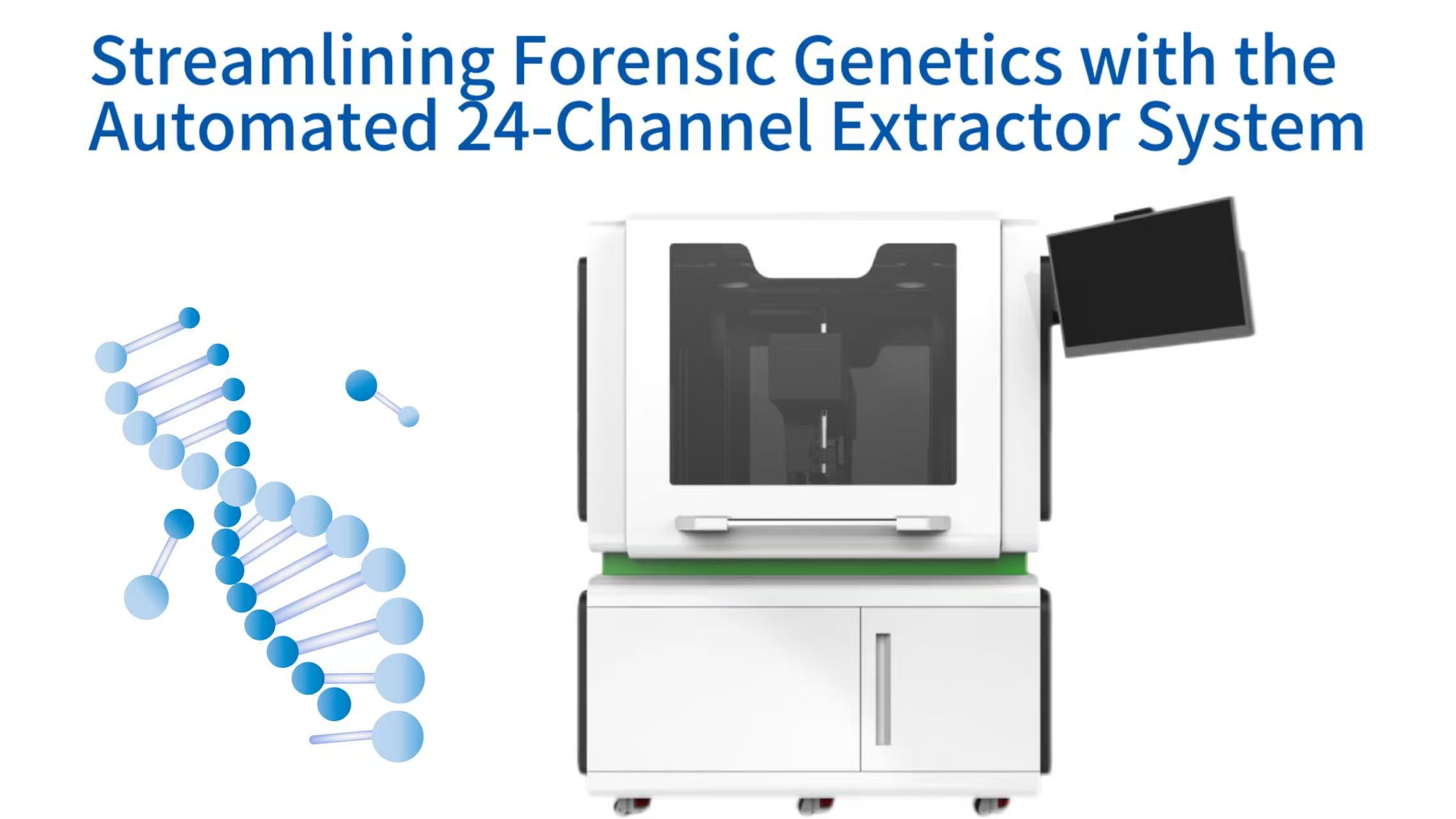
Automated 24-Channel Extractor System Workflow
In the high-stakes environment of forensic genetics, the extraction of nucleic acids stands as the foundational pillar upon which all subsequent analytical success is built. The transition from a biological sample—often minute, degraded, or mixed with environmental inhibitors—to a purified DNA profile ready for amplification and detection is a journey fraught with technical challenges. This comprehensive guide explores the Automated 24-Channel Extractor System, a sophisticated laboratory instrument engineered to navigate these complexities with unparalleled precision and efficiency. We will dissect the core mechanics of this platform, examining its ability to process up to 24 samples simultaneously through magnetic bead-based purification. Beyond the hardware, we will delve into the critical applications ranging from high-throughput reference sample processing to the delicate handling of trace and degraded evidence. The discussion will extend to the system's role in standardizing protocols to minimize human error, its impact on laboratory throughput and casework backlog reduction, and the essential considerations for maintaining chain of custody and data integrity in an accredited forensic environment.
The Functional Anatomy of the Automated Extraction Platform
Automated Extraction Platform Core Components
Understanding the internal workings of a 24-channel extraction system is essential for appreciating its value in a forensic setting. While the exterior presents a sleek, enclosed workspace, the interior houses a synergy of precision engineering and molecular biology principles. The system is not merely a single device but an integrated suite of components—liquid handlers, thermal controllers, and magnetic arrays—all choreographed by intelligent software. This orchestration replaces the tedious manual pipetting and centrifugation steps of traditional methods with a closed, consistent, and traceable robotic process. The result is a workflow that enhances the safety of laboratory personnel by limiting exposure to biohazardous materials and simultaneously elevates the integrity of the forensic sample by reducing opportunities for environmental contamination. Each mechanical action is logged, creating a digital audit trail that supports the rigorous requirements of the criminal justice system.
Precision Liquid Handling via Multi-Channel Pipettors
The heart of the automation lies in the robotic liquid handling arm. This component is tasked with the accurate and reproducible transfer of reagents ranging from aggressive lysis buffers to delicate elution solutions. In a 24-channel configuration, the head moves in a Cartesian coordinate system, accessing wells with micron-level accuracy. This precision is not just about speed; it is a critical anti-contamination measure. By maintaining a consistent air gap and utilizing disposable, filtered tips from the DNA-free filtered pipette tips inventory, the system prevents the aerosol formation that plagues manual pipetting. The volumetric accuracy, often within a deviation of less than two percent, ensures that every single well in the 24-well deep plate receives the exact same chemical environment. This uniformity is a prerequisite for the reproducibility demanded by ISO/IEC 17025 accredited laboratories, ensuring that the DNA yield from well A1 is not artificially different from that of well D6 due to operator fatigue or pipette calibration drift.
Furthermore, the software driving the pipettor allows for complex mixing protocols that are impossible to perform manually across 24 samples at once. The system can gently aspirate and dispense the viscous lysis mixture multiple times to ensure complete sample homogenization without shearing the genomic DNA. This is particularly beneficial when working with difficult substrates like fabric swatches or adhesive tapes used in touch DNA collection. The consistent flow rates and tip positioning prevent the cross-contamination of samples during the mixing phase, a risk that is ever-present when an analyst must manually vortex or pipette mix open tubes. The ability to program specific tip touch heights against the well wall ensures complete liquid drainage, leaving behind minimal dead volume and maximizing the recovery of precious forensic evidence. The integration of this precision liquid handling with barcode scanning ensures that the sequence of events for each specific sample is irrevocably tied to its unique identifier.
Magnetic Separation Technology and Nucleic Acid Capture
Modern forensic extraction relies heavily on the principle of magnetic bead separation, and the 24-channel system integrates a powerful magnet array directly into the processing deck. This method hinges on the use of paramagnetic beads with a silica-like surface chemistry that binds DNA in the presence of chaotropic salts. Once the cells are lysed and the DNA is bound to the beads, the robotic arm positions the sample plate over a high-strength magnetic block. Within seconds, the magnetic force pulls the bead-bound DNA to the side or bottom of the well, forming a tight, visible pellet. The liquid handler then precisely aspirates the supernatant containing cellular debris, proteins, and potential PCR inhibitors while leaving the magnetically immobilized DNA undisturbed. This washing process, typically repeated two to three times with ethanol-based solutions, is where the system excels over manual centrifugation methods which can inadvertently aspirate the fragile DNA pellet.
The efficiency of this magnetic capture is a primary driver of the high purity ratios observed with automated extraction. By applying a consistent magnetic field across all 24 channels simultaneously, the system ensures that the bead pellet size and retention are uniform. This is a stark contrast to manual magnetic stands where tube placement and magnet strength can vary slightly from position to position. The ability to thoroughly wash away inhibitors like heme from blood or humic acids from soil is paramount for forensic success. Residual inhibitors can quench the fluorescent signal in downstream quantitative PCR or cause allele dropout during STR typing on a capillary electrophoresis genetic analyzer. The automated system's rigorous washing protocol, executed with robotic patience, yields a cleaner DNA template that significantly reduces the likelihood of these costly and time-consuming analytical artifacts. Data from internal validation studies typically show a marked reduction in inhibition ratios when comparing automated magnetic bead workflows to manual silica column methods for challenging casework samples.
Programmable Thermal Control and Lysis Dynamics
Effective DNA extraction begins with complete cellular disruption, a process heavily dependent on precise temperature management. The integrated heating block or thermal module within the 24-channel extractor is more than a simple incubator; it is a programmable component capable of ramping temperatures with high uniformity across the entire plate. For standard buccal swabs or blood stains, a rapid heat step at 56°C in the presence of a proprietary forensic lysis buffer and forensic proteinase K is sufficient to digest cellular membranes and release the nuclear DNA into solution. The system maintains this temperature with minimal well-to-well variation, often less than ±0.5°C, which is critical because the activity of proteolytic enzymes is highly temperature-dependent. An edge effect where outer wells run cooler can lead to incomplete lysis and lower yields in those specific positions, a variable that automated thermal control effectively eliminates.
Moreover, the thermal module is indispensable when dealing with recalcitrant forensic samples such as bone fragments, teeth, or hair shafts. These substrates require extended incubation periods that can stretch from several hours to overnight. The automated system can be programmed to maintain a precise temperature for a defined duration and then automatically proceed to the binding and washing steps without any technician intervention. This capability effectively transforms the instrument into a 24-hour operation asset. Laboratories can load a batch of difficult skeletal remains for demineralization and lysis at the end of the workday and arrive the next morning to find the purified DNA ready for quantification. This unattended operation not only maximizes instrument utilization but also protects the integrity of the sample by preventing the thermal fluctuations that might occur if a technician were to manually move tubes in and out of a dry bath over a long digestion period.
Enclosed Consumable Management and Aerosol Mitigation
The physical design of the 24-channel system incorporates numerous features aimed at preventing the escape of potentially contaminating DNA aerosols. The entire processing deck is typically enclosed within a UV-sanitizable hood or casing that maintains a controlled airflow environment. Unlike open bench work where pipetting can generate an invisible cloud of DNA-containing droplets, the enclosed space of the extractor confines any aerosol to a limited area where it can be addressed by HEPA filtration or internal UV decontamination cycles. The use of specific deep-well plates and sealing mats is not merely a convenience; it is an engineering requirement for the magnetic separation steps and a barrier against cross-contamination. The system applies consistent pressure during sealing to ensure that the PCR plate sealing films adhere perfectly, preventing evaporation during heated lysis steps and stopping any liquid from splashing between wells during robotic agitation.
Another critical aspect of consumable management is the handling of liquid waste. The system automatically disposes of used tips and aspirated supernatants into designated waste containers within the closed deck. This removes the need for an analyst to manually open and dispose of biohazardous liquid waste bags during the run, a step that often generates significant aerosols in manual workflows. The internal waste bins are strategically positioned to minimize the travel distance of the robotic arm when discarding tips, optimizing run time while keeping potential sources of contamination localized. Furthermore, the system's software tracks tip usage and will pause the run if a tip rack is empty or misloaded, preventing the catastrophic failure of the entire batch. This level of consumable intelligence ensures that the investment in reagents and the valuable evidence samples are protected from mechanical mishaps that could occur in a less monitored environment.
The Chemical Foundation of High-Purity Forensic DNA Extraction
Forensic Evidence Type Processing Compatibility
While the hardware provides the mechanical precision, the chemistry of the extraction reagents defines the quality of the nucleic acid output. The Automated 24-Channel Extractor System is designed as an open platform, affording forensic laboratories the flexibility to select and validate the chemical kit best suited to their specific casework demands. The core chemistry involves a delicate balance of detergents, salts, and alcohols that sequentially break open cells, selectively bind DNA to a solid support, wash away contaminants, and finally release the purified genetic material into a stable aqueous buffer. Understanding this chemical cascade is vital for troubleshooting low yields or inhibited results. The automation of these steps ensures that the timing of each chemical exposure is exact, preventing the over-drying of pellets that leads to poor solubility or the incomplete removal of ethanol that can ruin downstream PCR amplification.
Optimized Lysis Buffer Formulations for Forensic Substrates
The lysis buffer is the first and often most aggressive reagent introduced to the sample. In the context of automated extraction, these buffers are formulated to be compatible with magnetic bead chemistry and the plastic consumables used in the process. A typical forensic lysis solution contains a chaotropic salt such as guanidinium thiocyanate, which denatures proteins and disrupts cellular structures. This denaturation inactivates nucleases that would otherwise degrade the exposed DNA. The presence of a non-ionic detergent further solubilizes lipid membranes. For standard reference samples, this generic formulation is highly effective. The automated system dispenses this buffer precisely, ensuring that the ratio of buffer volume to sample substrate is constant across the batch. This is important because an insufficient volume of chaotropic salt will not effectively inactivate nucleases, leading to the degradation of the DNA during the incubation period.
However, forensic evidence is rarely standard. Samples such as cigarette butts, chewing gum, or soiled fabrics contain complex polysaccharides and environmental inhibitors. The flexibility of the open platform allows laboratories to utilize specialized lysis buffers that incorporate additives like polyvinylpyrrolidone or additional detergents specifically to combat these substances. When processing bone and teeth samples, the lysis step often requires a decalcification buffer containing EDTA to chelate calcium ions from the hydroxyapatite matrix. The automated system's ability to handle long incubation times with these specialized buffers is a key advantage. Rather than an analyst spending hours manually refreshing a decalcification solution, the instrument can perform a programmed cycle of buffer exchange, effectively washing away the dissolved minerals before the final cell lysis. This tailored approach to lysis chemistry is a cornerstone of successful recovery from the most degraded and challenging evidentiary items.
Binding Kinetics and the Role of Chaotropic Agents
The transition from a lysed cellular soup to a purified nucleic acid hinges on the selective binding of DNA to the silica surface of the magnetic beads. This binding is mediated by the high concentration of chaotropic salts carried over from the lysis buffer. These salts disrupt the ordered structure of water, creating a hydrophobic environment that drives the negatively charged DNA backbone to associate with the silica matrix. The automated system executes this step by adding a specific binding buffer or by mixing the lysate with a suspension of magnetic beads. The robotic mixing is gentle yet thorough, maximizing the collision frequency between the free DNA and the bead surface. Because the binding efficiency is concentration-dependent, the precise liquid handling ensures that the final concentration of chaotropic salts is optimal for maximal DNA recovery across all 24 channels.
If the binding conditions are suboptimal, low-copy-number DNA may fail to attach to the beads and be lost during the subsequent wash steps. This is particularly devastating when processing touch DNA evidence where the starting template may be fewer than 100 picograms. The automated system mitigates this risk by maintaining a tightly controlled environment where the binding incubation time and temperature are consistent. In manual methods, an analyst might inadvertently under-mix a sample or allow the binding time to vary, leading to inconsistent recovery. The magnetic bead technology also offers a distinct advantage over spin columns in this phase. With spin columns, the flow-through is lost, and if the binding is inefficient, the DNA is gone forever. In an automated magnetic system, the supernatant is often retained until the elution is confirmed, providing a safety net in case of rare mechanical failure, although the system's reliability typically renders such precautions unnecessary.
Wash Stringency and the Removal of PCR Inhibitors
The series of wash steps performed by the automated system is arguably the most critical phase for downstream forensic analysis. After the DNA is bound to the magnetic beads, the supernatant containing cellular waste and potential inhibitors is removed. The beads are then resuspended in wash buffers containing high percentages of ethanol or isopropanol. These alcohol solutions serve two functions: they remove residual salts and they desalt the DNA while maintaining its attachment to the silica. The 24-channel system's ability to perform multiple washes with consistent aspiration of the supernatant is unmatched by manual dexterity. The magnet pulls the bead pellet tight, and the pipette tips descend to a precise height just above the pellet, removing all traces of wash buffer without disturbing the captured DNA. This ensures that inhibitory substances like indigo dye from denim or hematin from aged blood are efficiently stripped away.
The final step of the wash phase involves a critical drying period. The instrument may employ an extended air dry or a brief heating step to evaporate any residual ethanol clinging to the beads or the walls of the well. Ethanol carryover is a notorious cause of PCR failure, as even small amounts can destabilize the polymerase enzyme. Automated systems manage this drying step with far greater consistency than a technician using a heat block or vacuum manifold. Over-drying, on the other hand, can render the DNA pellet insoluble, making it difficult to elute later. The software controlling the Automated 24-Channel Extractor System is calibrated to dry the beads just enough to remove the alcohol smell but not so much that the pellet cracks or becomes refractory. This precise balance is a result of extensive engineering validation and contributes significantly to the high success rates observed when amplifying DNA purified via this automated platform.
Elution Conditions and Final DNA Stability
The culmination of the extraction process is the elution step, where the purified DNA is released from the magnetic beads into a storage buffer. The system dispenses a low-ionic-strength buffer, typically Tris-EDTA with a pH stabilized around 8.0 to 8.5, onto the dried bead pellet. The change in ionic environment disrupts the hydrophobic interaction, allowing the hydrophilic DNA to re-dissolve into the aqueous solution. The volume of elution buffer dispensed is a critical user-defined parameter that dictates the final DNA concentration. For trace evidence where maximum concentration is desired, the system can accurately dispense volumes as low as 25 microliters. For high-yield reference samples, a larger volume of 100 to 200 microliters may be used to provide ample DNA for multiple downstream tests.
The robotic pipettor then resuspends the beads in this small volume, often using a mixing cycle that ensures the DNA is homogeneously distributed. The final step involves a second magnetization to pull the now-empty beads to the side, leaving a clear supernatant of pure, ready-to-use DNA. The system then transfers this final eluate to a fresh output plate or into sterile PCR tubes and plates for safe storage. The integrity of this final eluate is paramount. DNA extracted via this automated process is remarkably stable, showing little to no degradation over months of storage at standard refrigeration temperatures. This stability allows for the re-analysis of casework samples months or years later, which is often necessary for appeals or cold case reviews. The automated system ensures that the elution profile for every sample is identical, producing a consistent product that meets the rigorous quantitative and qualitative standards required for upload to national DNA databases.
Operational Advantages and Laboratory Workflow Integration
Quality Assurance & Court Admissibility Compliance
The decision to integrate an Automated 24-Channel Extractor System into a forensic laboratory represents a strategic shift toward operational excellence rather than merely a purchase of new equipment. This technology recalibrates the balance of human and machine labor, allowing highly trained forensic analysts to redirect their cognitive skills from repetitive manual pipetting to the complex tasks of data interpretation and report writing. The impact on workflow is multifaceted, touching upon sample throughput, consistency of results, and the overall morale of the laboratory staff. By transforming the extraction step from a variable and labor-intensive process into a predictable and traceable automated function, the laboratory strengthens its ability to meet stringent turnaround time targets while simultaneously reducing the risk of clerical or procedural errors that could compromise the integrity of an investigation.
Significant Reduction in Hands-On Analyst Time
The most immediate and measurable benefit of the 24-channel platform is the dramatic reduction in the time an analyst must physically spend handling samples. A manual organic extraction or spin column protocol for 24 samples can consume between three to five hours of focused bench work, during which the analyst is unable to perform other duties. The automated system reduces this active engagement to approximately 30 to 45 minutes, which is primarily dedicated to initial sample loading and reagent preparation. Once the instrument door is closed and the protocol is initiated, the analyst is free to engage in other critical casework activities, such as microscopic examination of evidence, serological testing with an alternate light source, or the review of complex DNA mixtures. This reclamation of technical time is equivalent to adding additional staff hours to the laboratory's capacity without increasing headcount.
This hands-off operation also facilitates an extended working day for the laboratory without requiring a second or third shift of personnel. Instruments can be loaded with a full batch of 24 samples at the end of the traditional workday and left to process overnight. When staff arrive the following morning, the extraction is complete, and the DNA is ready for quantification and amplification. This "walkaway" capability effectively doubles the extraction throughput of the lab using the same physical footprint and the same number of technicians. The psychological and ergonomic benefits should not be overlooked either. Repetitive pipetting is a known contributor to occupational strain injuries in laboratory settings. By transferring this physical burden to a robotic system, the laboratory protects the long-term health and productivity of its most valuable asset—its forensic scientists.
Enhanced Batch Uniformity and Inter-Run Reproducibility
Forensic science is built upon the foundation of reliable, reproducible results. The automated system excels in delivering this consistency. When an analyst manually extracts DNA, subtle variations in vortexing time, incubation temperature monitoring, or pipetting rhythm can introduce variability into the final DNA yield and purity. These variations might not be large enough to cause a complete failure, but they can create statistical noise that complicates downstream analysis. The robotic system eliminates this micro-variability. Every sample in the batch receives the exact same mechanical treatment: the same number of mixing cycles, the identical magnetic pellet drying time, and the precise same volume of elution buffer. The resulting uniformity in DNA quality ensures that subsequent steps like quantitative PCR have tighter standard deviations and more predictable cycle threshold values.
This reproducibility extends beyond the individual batch to encompass inter-run consistency across weeks, months, and years. Once a protocol is validated and locked in the system's software, it can be recalled and executed with robotic fidelity years later. This is a powerful asset when re-opening cold cases or comparing data from historical samples to new evidence. The extraction conditions from the past can be precisely replicated, removing the variable of "different analyst, different technique" from the re-evaluation equation. For laboratories engaged in large-scale database construction, this inter-run consistency is non-negotiable. Hundreds of thousands of reference samples must be processed under identical conditions to ensure that the resulting STR profiles are directly comparable and free from extraction-induced artifacts. The Automated 24-Channel Extractor System provides the stable platform necessary for such high-volume, long-term projects.
Mitigation of Sample Switch and Manual Tracking Errors
Chain of custody and sample integrity are the cornerstones of forensic admissibility. The most catastrophic error in a forensic laboratory is the mislabeling or switching of samples, which can lead to wrongful convictions or the failure to identify a true perpetrator. Automated systems are equipped with safeguards to drastically reduce this risk. The 24-channel platform typically integrates with a barcode scanner that reads the unique identifier on each sample tube before processing begins. The software then creates a digital map of the plate layout, linking that specific physical location to the electronic sample record. Throughout the run, the system logs every action taken on that particular well. If a technician attempts to load a plate in the wrong orientation, the system will alert the user and pause operation, preventing a potential 24-sample misassignment.
Beyond the initial tracking, the automation of liquid handling eliminates the manual transcription of volume data and sample IDs onto worksheets. In a manual workflow, an analyst must constantly refer back to a list, verify the tube label, pipette, and then check the list again. This context switching is where many clerical errors originate. The automated system creates a seamless electronic record that can be directly imported into a Laboratory Information Management System. This direct digital transfer of metadata ensures that the quantity of DNA recovered, the lot numbers of the reagents used, and the specific timing of the extraction are all permanently and accurately linked to the case file. This level of auditability not only satisfies accreditation requirements but also provides a robust defense during courtroom testimony, demonstrating that the sample was handled with a degree of technical rigor that far exceeds manual capabilities.
Scalability for Fluctuating Casework Demands
Forensic laboratories rarely face a steady, predictable stream of evidence. Case submissions can fluctuate dramatically due to major crime incidents, policy changes regarding arrestee sampling, or initiatives to clear backlogs of older cases. The 24-channel format offers an ideal unit of scalability for managing these surges. The system is sized to process a standard deep-well plate, which is a manageable batch size for most medium to large laboratories. It avoids the complexity and reagent dead volume issues associated with much larger 96-well automated platforms, which may be underutilized during slower periods. A laboratory can operate a single 24-channel unit for routine daily work and then bring a second unit online to handle a sudden influx of samples from a high-priority investigation.
This modular scalability is also cost-effective. The consumables for a 24-well format—plates, seals, and tip racks—are widely available and often more economical on a per-sample basis than individual spin columns. The system's footprint is compact enough to fit within standard biosafety cabinets, as seen in the range of benchtop biosafety cabinets, ensuring that extraction can be performed within the required containment environment. As the laboratory's caseload grows, the capital investment in extraction capacity can be scaled linearly by adding another instrument, rather than requiring a wholesale replacement of the entire extraction workflow. This approach provides laboratory directors with financial flexibility and ensures that the DNA extraction bottleneck does not simply shift from the manual bench to an overwhelmed piece of automation.
Addressing the Spectrum of Forensic Evidence Types
The true test of any forensic extraction platform is its ability to handle the incredible diversity of substrates encountered in criminal investigations. A system that performs flawlessly on pristine blood samples but fails on degraded skeletal remains or low-level touch DNA is of limited utility. The Automated 24-Channel Extractor System distinguishes itself through its adaptable protocol design. The software allows laboratory technical leaders to create and validate distinct programs optimized for specific categories of evidence. Whether the goal is to maximize yield from a buccal swab reference or to meticulously purify the picogram-level DNA from a handled firearm, the instrument can be tuned to apply the appropriate chemistry and mechanical force. This flexibility transforms the extractor into a universal sample processing hub, capable of meeting the demands of casework, databasing, and missing persons investigations from a single footprint.
Optimized Processing for Reference and Database Samples
The highest volume of samples processed in many forensic institutions comes from convicted offender or arrestee databases. These samples, typically collected on specialized substrates or cards, present a unique set of extraction requirements. The primary goals are high throughput, consistent yield, and minimal cost per sample. The 24-channel system excels in this arena by running protocols specifically designed for high-yield, inhibitor-free sample types. The lysis step is often shortened because the nucleated cells are easily accessible, and the wash stringency can be moderated since these samples lack the environmental grime found on crime scene items. Using a validated protocol tailored for reference material, the system can reliably produce the requisite amount of DNA for direct amplification or standard PCR.
Automation is particularly advantageous when processing large batches of database samples because it eliminates the variability inherent in manual processing that can lead to "no result" or "low peak height" profiles requiring expensive and time-consuming re-runs. The consistent lysis of cells from collection devices like buccal DNA collection cards ensures that every sample yields a predictable amount of DNA. This predictability allows for the streamlining of downstream processes; if the extracted DNA concentration is known to be within a tight range, the quantification step can be performed with a single dilution factor, and the amplification setup can be partially standardized. This level of efficiency is essential for laboratories tasked with processing tens of thousands of samples annually to populate and maintain national DNA identification databases.
Delicate Extraction Protocols for Trace and Touch DNA
At the opposite end of the spectrum from robust reference samples lies the challenging realm of touch DNA. This evidence consists of epithelial cells transferred from the hands or skin of an individual onto a surface, and the amount of DNA recovered is often in the low picogram to sub-nanogram range. For these samples, the automated system shifts from a "high yield" mode to a "low retention" mode. The protocol is adjusted to minimize the number of surface interactions where DNA might be lost. Elution volumes are reduced to the absolute minimum to maximize concentration. The magnetic bead chemistry is particularly well-suited for these samples because the beads can efficiently capture even highly fragmented DNA molecules. The gentle but thorough mixing of the automated system ensures that the maximum number of DNA fragments are brought into contact with the bead surface.
The handling of trace evidence also benefits from the reduced risk of contamination provided by the enclosed automated deck. When working with such minute quantities of DNA, the introduction of even a single stray cell from the laboratory environment can confound the interpretation of a mixed profile. The 24-channel system's controlled environment and use of sterile consumables creates a barrier between the evidence and the analyst. Laboratories processing touch DNA often couple the automated extraction system with specialized trace kits that include carrier RNA to improve precipitation and recovery of low molecular weight DNA. The ability of the instrument to precisely handle the small reagent volumes associated with these kits is a key factor in converting otherwise "untypeable" evidence into a probative STR profile that can link a suspect to a crime scene or identify an unknown victim.
Robust Protocols for Skeletal Remains and Degraded Tissues
The extraction of DNA from bones, teeth, and decomposed soft tissue represents one of the most demanding challenges in forensic biology. These samples are characterized by extremely low quantities of highly fragmented DNA, copious amounts of calcium, and the presence of potent PCR inhibitors such as humic acids and collagen degradation byproducts. The Automated 24-Channel Extractor System meets this challenge with protocols that incorporate extensive pre-processing and extended digestion phases. The software can be programmed to manage a demineralization step, which involves the addition and removal of EDTA solutions over several hours or days. This automated buffer exchange softens the bone matrix and releases the trapped DNA while the analyst is away from the bench.
Following demineralization, the system initiates a prolonged lysis phase using high concentrations of proteinase K and a specialized lysis buffer designed to denature the remaining organic matrix. This digestion may proceed at an elevated temperature for up to 12 hours. The closed nature of the automated system prevents evaporation during this long incubation, maintaining a constant volume and salt concentration. Once the DNA is liberated, the magnetic bead purification efficiently removes the inhibitory substances that so often plague bone extractions. The final eluate, while typically low in concentration, is remarkably clean. This purity is essential for successful amplification with sensitive STR kits designed for degraded DNA analysis. The ability to recover a full or partial profile from skeletal elements using this automated workflow has led to the resolution of countless unidentified remains cases and cold case homicides, providing answers to families and communities after decades of uncertainty.
Processing Challenged Samples Containing Mixed Body Fluids
Sexual assault evidence kits and other items containing mixtures of body fluids present a dual challenge: differential extraction of sperm cells from epithelial cells and the management of complex inhibitor profiles. The automated system can facilitate the separation of these cell types through a differential lysis approach programmed into the software. In the first stage, a milder lysis buffer is used to selectively rupture the more fragile epithelial cells, leaving the sperm cells intact. The automated platform handles the precise timing and temperature control required for this delicate step. The supernatant containing the female or epithelial fraction is then removed by the robotic pipettor and processed for DNA purification in one plate, while the remaining sperm pellet is subjected to a harsher lysis in a separate step.
This automated differential extraction process reduces the variability associated with manual cell separation, which often relies on the analyst's subjective judgment of pellet size and washing efficiency. The precise control over buffer volumes and incubation times leads to a cleaner separation, minimizing the carryover of female DNA into the male fraction. A clean male fraction is critical for the deconvolution of mixed profiles and for the entry of a single-source male profile into a database. The system's compatibility with specialized kits designed for mixed stains ensures that the necessary reagents for the second, more stringent sperm lysis are available on the deck and are dispensed without risk of cross-contamination between the fractions. This automated approach to differential extraction significantly improves the success rate of obtaining probative Y-STR or autosomal STR profiles from the male contributor in sexual assault cases.
Ensuring Admissibility through Quality Control and Data Management
In the courtroom, the reliability of the scientific method is just as important as the result itself. The Automated 24-Channel Extractor System provides a robust framework for meeting the stringent quality assurance standards required for forensic DNA testing. The instrument is not a black box; it is a transparent, documented process that generates a comprehensive audit trail from sample login to final elution. This commitment to data integrity and quality control is what distinguishes forensic automation from clinical or research-oriented equipment. The system is designed with the understanding that every step must be defensible under cross-examination. By embedding controls, logging events, and integrating with broader laboratory information systems, the platform transforms the extraction phase from a potential vulnerability in the chain of custody into a demonstrable strength of the laboratory's operation.
Adherence to Stringent Quality Assurance Standards
The design and validation of the 24-channel extractor align with the rigorous requirements of accreditation bodies that oversee forensic testing. Compliance with standards such as ISO/IEC 17025 requires that equipment undergo extensive performance verification to demonstrate that it consistently produces results fit for purpose. This includes Installation Qualification, Operational Qualification, and Performance Qualification protocols. The system's software supports these efforts by maintaining an unalterable log of every run, including the lot numbers of reagents used, the specific protocol version executed, and the exact timing and temperature of each step. This level of documentation provides the objective evidence required by auditors to confirm that the laboratory's standard operating procedures are being followed with robotic fidelity.
Furthermore, the system facilitates the inclusion of essential quality control samples within each batch. Analysts can program the plate layout to automatically include a positive control, a negative control, and a reagent blank in designated wells. The automated system processes these controls in precisely the same manner as the evidentiary samples. A negative result in the reagent blank provides assurance that the reagents and the instrument environment were free of contaminating DNA at the time of the run. A positive result from the control sample confirms that the chemistry was active and the extraction was effective. This internal validation within each batch is a cornerstone of forensic quality assurance, and the automated system's consistent treatment of all 24 wells ensures that the controls are a true reflection of the processing conditions experienced by the evidence samples.
Seamless Integration with Laboratory Information Management Systems
The value of automated extraction is amplified when it is connected to the laboratory's digital ecosystem. The 24-channel system typically features connectivity options that allow for bidirectional communication with a Laboratory Information Management System. Before a run begins, the analyst can download a sample batch file directly from the LIMS, populating the instrument's run log with the correct case numbers and item identifiers. This eliminates the need for manual typing of 24 sample names into the instrument interface, a step that is both tedious and prone to typographical errors. The barcode scanner on the instrument verifies that the physical tube loaded into the deck matches the electronic record imported from the LIMS, creating a closed-loop verification system.
At the conclusion of the run, the system generates a comprehensive output file that includes processing metrics for each sample, such as the final elution volume and any errors or warnings that may have occurred during liquid handling. This file can be automatically uploaded back into the LIMS, where it becomes a permanent part of the case record. The data transfer might also include a record of reagent lot traceability, linking the specific bottles of lysis buffer and wash solution used to that particular batch of samples. This end-to-end electronic chain of custody is a powerful tool for ensuring the integrity of the data. It provides a clear, time-stamped narrative of the sample's journey through the extraction process, from the moment the tube was scanned to the moment the final DNA eluate was transferred to the output plate, supporting the overall workflow managed by the automated 24-channel integrated DNA workstation concept.
Internal Calibration and Preventive Maintenance Tracking
Sustaining the accuracy and reliability of the automated extractor over years of continuous operation requires a disciplined approach to maintenance and calibration. The instrument's onboard diagnostics play a crucial role in this regard. The system continuously monitors the performance of its critical subsystems, including the functionality of the heating block, the positional accuracy of the robotic arm, and the pressure levels of the liquid handling pumps. If a parameter drifts outside of the manufacturer's specified range, the software can alert the operator to perform a calibration routine or schedule a service visit. This proactive monitoring prevents the gradual decline in performance that might otherwise go unnoticed in manual processes, where a slight loss of pipetting accuracy could subtly impact DNA recovery over time.
The software also maintains an internal log of usage cycles for key mechanical components, such as the number of plunger actuations in the pipetting head. This log provides an objective basis for scheduling preventive maintenance visits. Rather than waiting for a mechanical failure that could halt casework processing for days, laboratory managers can plan service around their operational calendar. A well-maintained instrument not only provides more consistent results but also enjoys a longer operational lifespan, maximizing the return on the capital investment. The ability to export service logs and calibration certificates is also a boon during accreditation audits, providing tangible proof that the equipment used to generate forensic data has been maintained in a state of operational readiness consistent with industry best practices.
Comprehensive Error Handling and Run Recovery
Despite the high reliability of automated systems, the possibility of an anomaly occurring during a run cannot be entirely discounted. A tip may not pick up correctly, a clot may block a pipette channel, or the level of liquid waste may reach maximum capacity. The sophistication of the 24-channel system is evident in how it manages these events. The software is programmed with a hierarchy of error responses. For minor issues, such as a missed tip pick-up, the system may automatically retry the operation or skip the well and log the event. For more critical errors, such as a failure of the heating block to reach the required temperature, the system will pause the run and notify the operator with a specific error code. This prevents the continuation of a process under suboptimal conditions that could compromise the entire batch of 24 valuable samples.
This robust error handling is a stark contrast to manual methods, where an analyst might unknowingly make a mistake, such as forgetting to add a reagent to a single tube, and only discover the error days later when the downstream amplification fails. The automated system's real-time monitoring provides immediate feedback. The log file generated for the run will contain a record of the error, which is essential for troubleshooting and for documenting any deviations from the standard protocol in the case file. In some cases, the system's software allows for a "run recovery" feature where, after a pause, the operator can intervene to fix the issue, and the instrument can resume the protocol from the point of interruption. This capability can salvage a run that would have been completely lost in a manual workflow, protecting the irreplaceable forensic samples and preventing delays in the investigation.
Evaluating the Impact on Laboratory Throughput and Economics
Automated System Economic & Operational Benefits
Beyond the scientific and quality assurance benefits, the implementation of an Automated 24-Channel Extractor System carries significant economic and operational weight for a forensic enterprise. The decision to invest in this technology is a calculus of time saved, backlog reduced, and the value of enhanced data quality. In an era of increasing sample submissions and heightened public expectation for rapid forensic results, the throughput afforded by automation is not a luxury but a necessity. This section examines the tangible return on investment, moving beyond the technical specifications to analyze how this platform reshapes the cost structure of DNA analysis and enhances the overall investigative value provided by the laboratory. The focus shifts to metrics such as cost per sample, turnaround time reduction, and the strategic redeployment of skilled personnel.
Redefining Cost Per Sample in High-Volume Operations
The financial outlay for an automated extraction system is often assessed against the cumulative costs of manual processing. While the capital cost of the instrument is significant, the per-sample operational cost is frequently lower over the long term when processing high volumes. Manual methods are labor-intensive, and the time of a highly trained forensic analyst is the most expensive resource in the laboratory. A single manual extraction of 24 samples can consume nearly a full person-day of labor. By shifting this work to automation, the laboratory effectively reduces the labor cost attributed to each extracted sample by a substantial margin. This allows the laboratory to process more samples with the same staffing level, or to redirect existing staff to other backlogged areas without the need for additional hiring.
Consumable costs also become more predictable and often more favorable. The 24-channel platform utilizes standardized deep-well plates and tip racks that are purchased in bulk. This is generally more economical than purchasing individual spin columns for every sample. The reduction in re-runs is another significant, albeit less visible, cost saving. Manual extractions plagued by low yield or PCR inhibition necessitate expensive and time-consuming re-amplifications or even complete re-extractions. The higher first-pass success rate of the automated system minimizes the waste of expensive STR amplification kits and the analyst time required to repeat failed tests. When these factors are aggregated—reduced labor, predictable consumable usage, and minimized re-work—the automated system often demonstrates a lower total cost of ownership per successful DNA profile generated.
Accelerated Turnaround Times and Backlog Mitigation
The speed of justice is often directly tied to the speed of forensic analysis. The Automated 24-Channel Extractor System is a critical asset in the effort to reduce casework turnaround times. By enabling overnight processing and parallel sample handling, the system compresses the calendar time required to move evidence from the property room to the analyst's review screen. A laboratory that previously required three days to extract a batch of 24 samples can now complete that work in a single overnight run, with the DNA ready for quantification the next morning. This acceleration has a cascading effect on the entire downstream workflow. Amplification and capillary electrophoresis can be scheduled more predictably, and reports can be issued sooner.
This increase in velocity is particularly impactful when addressing large backlogs of older cases. Laboratories tasked with processing thousands of accumulated sexual assault kits or property crime samples need a reliable, high-throughput engine. The 24-channel system provides a sustainable pace for backlog reduction projects. It allows a laboratory to dedicate a specific instrument to a long-term project without disrupting the flow of daily incoming urgent casework. The consistent output of the automated system makes project management more precise; managers can accurately predict how many samples will be extracted per week and can set realistic timelines for completing a large-scale backlog reduction initiative. This ability to forecast and meet deadlines is essential for maintaining public trust and securing continued funding for forensic operations.
Strategic Reallocation of Scientific Expertise
Forensic DNA analysts undergo years of rigorous education and training to master the complexities of genetics and statistical interpretation. To occupy the majority of their time with repetitive manual pipetting is a suboptimal use of this highly specialized human capital. The Automated 24-Channel Extractor System liberates scientists from the bench, allowing them to focus on the cognitive aspects of forensic biology where their expertise is truly irreplaceable. The time reclaimed from manual extraction can be redirected toward the microscopic search for biological material on evidence, the intricate interpretation of complex DNA mixtures, probabilistic genotyping, and the meticulous writing of case reports that must withstand legal scrutiny.
This shift in focus has profound implications for job satisfaction and retention. Highly educated professionals are more likely to remain in positions that challenge them intellectually rather than those that consist primarily of repetitive manual tasks. By automating the drudgery of extraction, the laboratory creates a more engaging and professionally fulfilling work environment. The technical staff can be cross-trained on advanced data analysis software or new technologies like next-generation sequencing, further enhancing the capabilities of the laboratory. The investment in automation, therefore, yields dividends not only in efficiency but also in the depth of the laboratory's analytical talent pool. The instrument becomes a tool for elevating the entire practice of forensic science within the institution, moving it away from routine processing and toward expert interpretation.
Minimizing Operational Downtime and Ensuring Continuity
A forensic laboratory cannot afford significant periods of downtime. Criminal investigations do not pause for equipment repairs. The reliability of the 24-channel extractor is a key factor in maintaining operational continuity. These systems are engineered for durability in a high-usage environment, with robust components designed to withstand thousands of cycles. The preventive maintenance schedules and remote diagnostic capabilities offered by manufacturers help to identify potential issues before they result in a catastrophic failure. This predictive maintenance model is far superior to a reactive approach where a laboratory discovers a problem only when a batch of samples fails or when a mechanical part breaks down.
Furthermore, the presence of an automated system provides a degree of resilience against staffing fluctuations. In the event of analyst illness, vacation, or unexpected turnover, a manual extraction workflow can grind to a halt. The automated system, however, can continue to process samples with minimal oversight, ensuring that the evidence flow is not bottlenecked by human resource shortages. In a worst-case scenario where a laboratory faces a sudden and massive influx of samples, the 24-channel system can be pushed to its maximum capacity, running multiple shifts with a single technician loading and unloading plates. This surge capacity is difficult, if not impossible, to replicate with a purely manual workforce. The instrument serves as a reliable and tireless component of the laboratory's critical infrastructure, ensuring that the delivery of forensic results to the criminal justice system remains steady and dependable.