What is Proteinase K and Its Role in Forensic DNA Analysis?
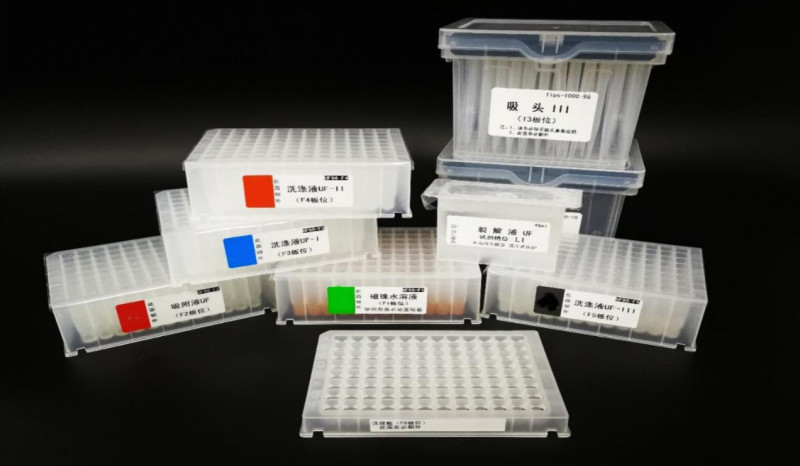
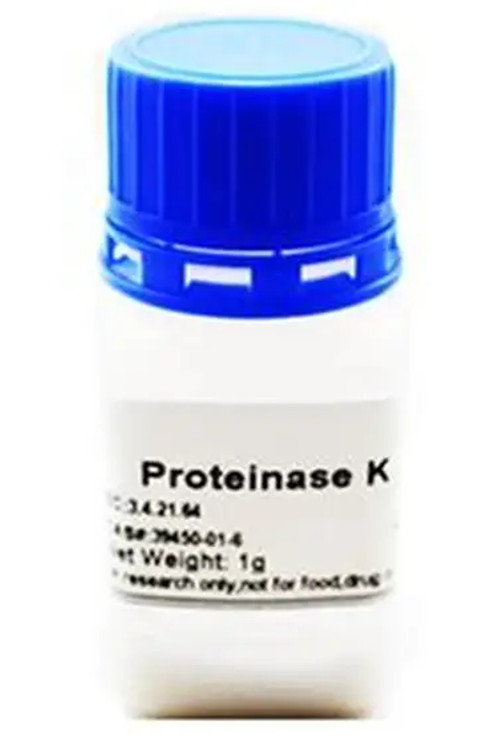
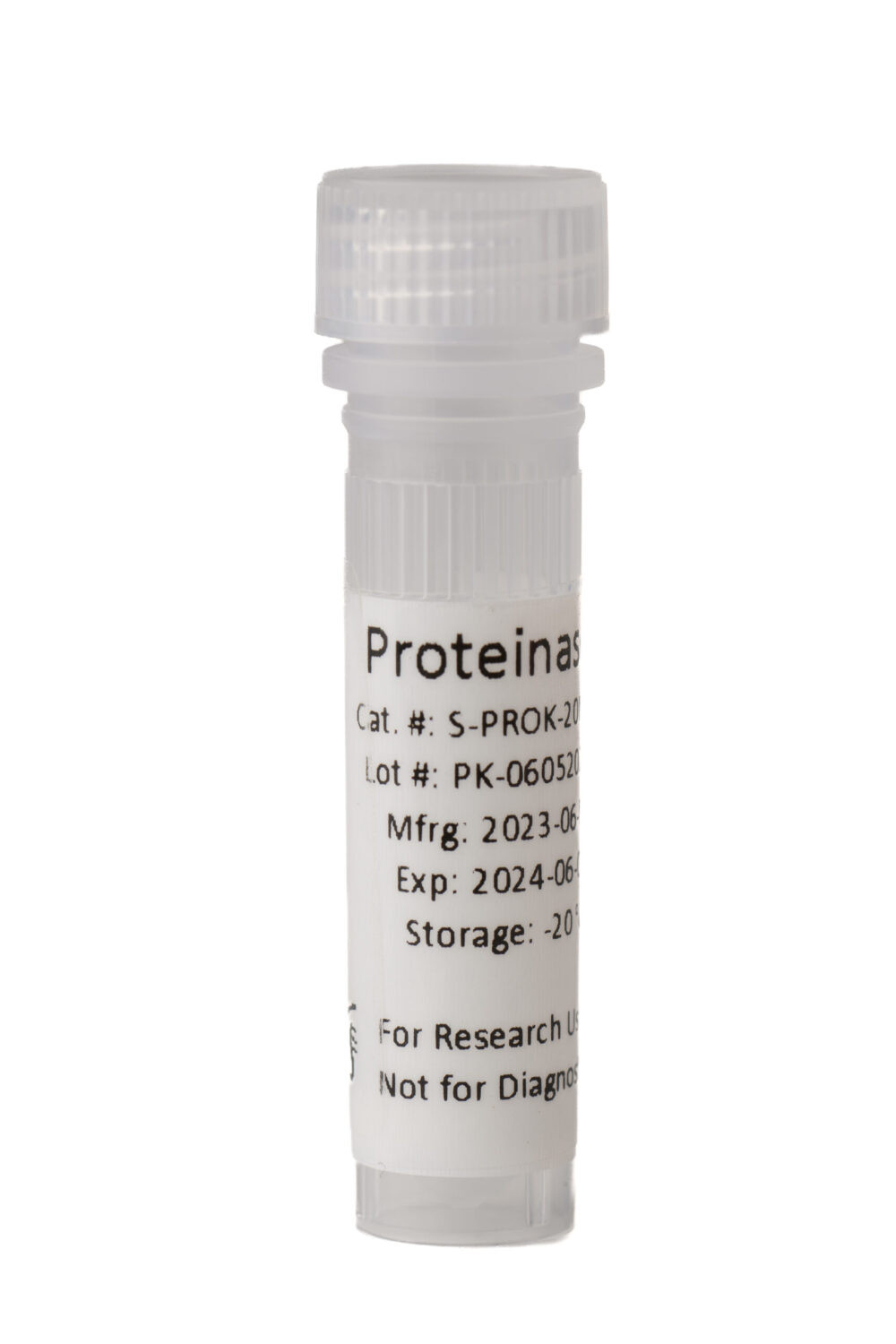
In the meticulous world of forensic science, isolating a clean genetic profile from complex biological evidence is the foundational step. This process relies on specialized enzymes, with Proteinase K being one of the most critical. This robust serine protease acts as a molecular dismantling tool, targeting and breaking down the myriad of proteins that surround and protect cellular DNA. Its action is not merely about access; it is about purity. By efficiently degrading contaminating proteins, including nucleases that could otherwise destroy the target DNA, Proteinase K ensures the genetic material remains intact and available for the sensitive analytical techniques that follow.
Enzyme Mechanism: Breaking Down Contaminating Proteins
The efficacy of Proteinase K lies in its broad substrate specificity and remarkable stability. Unlike many enzymes, it remains highly active in the presence of denaturing agents like SDS (sodium dodecyl sulfate) and urea, which are commonly used in lysis buffers to disrupt cell membranes and nuclear envelopes. This stability allows it to work effectively in harsh chemical environments where other proteases would fail. Its mechanism involves cleaving peptide bonds adjacent to hydrophobic amino acids, systematically reducing structural and enzymatic proteins to smaller peptides and amino acids. This thorough degradation is vital for forensic samples, which often contain a mix of microbial contaminants, epithelial cells, and degraded biological material that could inhibit subsequent DNA analysis.
Critical for Sample Lysis and DNA Release
The initial step in any DNA extraction protocol is lysis, where the rigid structures of cells and tissues are broken open. For forensic substrates such as dried bloodstains, buccal swabs, or tissue fragments, physical and chemical lysis alone may be insufficient. Proteinase K enhances this process dramatically. By digesting the proteinaceous components of the cellular cytoskeleton and histones around which DNA is wound, the enzyme facilitates the complete release of DNA molecules into solution. This is especially crucial for challenging samples like bone or nail clippings, where the DNA is tightly locked within a mineralized or keratinized matrix. Effective lysis with a high-activity protease directly correlates with higher DNA yield, a non-negotiable factor when dealing with limited or degraded evidence.
Ensuring Purity for Downstream STR Analysis and PCR
The ultimate goal of forensic DNA analysis is to generate a reliable Short Tandem Repeat (STR) profile, typically via Polymerase Chain Reaction (PCR). These techniques are extraordinarily sensitive to inhibitors—substances that co-purify with DNA and can block the enzymatic reactions. Residual proteins are a common source of such inhibition. A comprehensive digestion with Proteinase K minimizes this risk by removing protein-based inhibitors at the source. The result is a purified DNA extract that is fully compatible with downstream capillary electrophoresis and PCR amplification, reducing the incidence of partial profiles, allele drop-out, or complete amplification failure. This step is therefore a direct contributor to the success rate of obtaining interpretable DNA results from casework samples.
Key Features of Our Forensic-Grade Proteinase K
Not all enzymatic reagents are suitable for the demands of a forensic DNA laboratory. Our Forensic-Grade Proteinase K is manufactured and tested to meet the exacting standards required for evidentiary analysis. We understand that consistency, reliability, and performance with trace-level samples are paramount. Our product is subjected to rigorous quality control assays beyond standard purity checks, including functional testing on forensically relevant substrates to guarantee it performs when it matters most. This commitment to forensic-specific validation ensures that every vial supports the integrity of your laboratory's workflow and the evidentiary value of your results.
Exceptional Purity and Activity for Sensitive Forensic Samples
The purity of a protease is measured by its specific activity, expressed in units per milligram (U/mg). Our Proteinase K boasts an exceptionally high specific activity, indicating a minimal presence of inactive enzyme or contaminating proteins. This high purity is non-negotiable for processing low-copy number DNA or samples containing PCR inhibitors. Furthermore, the enzyme is free from detectable DNase and RNase activities, safeguarding the nucleic acid you aim to recover. This level of purity ensures that even the most minute biological stains, which may contain only a few cells, have the best possible chance of yielding a viable DNA profile after extraction and amplification.
Optimized for Challenging Substrates: Blood, Tissue, and Bone
Forensic evidence is rarely pristine. Our formulation is optimized to tackle the toughest substrates encountered in a human identification laboratory. For bloodstains, the enzyme efficiently degrades hemoglobin and other erythrocyte proteins that are potent PCR inhibitors. When dealing with soft tissue or organ samples, it rapidly breaks down the dense network of structural proteins. Most notably, for calcified tissues like bone and teeth, our Proteinase K is effective in extended digestions, working in conjunction with demineralization agents to liberate DNA trapped within the osteons. This optimized performance across a spectrum of sample types simplifies protocol development and allows laboratories to standardize their extraction processes for greater efficiency.
Consistent Lot-to-Lot Performance for Reliable Results
In forensic science, reproducibility is a cornerstone of validity. Variability in reagent performance can introduce unwanted uncertainty into analytical results. We achieve consistent lot-to-lot performance through stringent manufacturing controls and a comprehensive certificate of analysis provided with each batch. This consistency means that validated extraction protocols do not require re-optimization with each new shipment, saving valuable analyst time and maintaining the continuity of long-term casework and database projects. Laboratories can have confidence that the digestion efficiency they observed six months ago will be identical today, supporting robust quality assurance and control programs.
Supplied in Convenient Formats and Concentrations
To accommodate diverse laboratory workflows, from manual processing to high-throughput automation, our Forensic-Grade Proteinase K is available in multiple convenient formats. These include ready-to-use solutions at standardized concentrations, which eliminate weighing errors and save preparation time, as well as lyophilized powders for laboratories that prefer to prepare their own stock solutions for specific applications. The packaging is designed for stability, with aliquots sized to minimize freeze-thaw cycles that can degrade enzymatic activity. This flexibility in formulation and packaging ensures seamless integration into your existing laboratory information management system and consumable procurement strategy.
Applications in the Forensic DNA Workflow
The versatility of Proteinase K makes it indispensable across nearly every branch of forensic DNA analysis. From processing evidence collected in sexual assault cases to identifying remains from mass disasters, this enzyme is a workhorse in the laboratory. Its primary function—to cleanly remove protein—is applied at the front end of the DNA extraction process, setting the stage for all subsequent genetic typing. By enabling efficient digestion of a wide array of biological materials, it allows forensic scientists to extract interpretable DNA profiles from evidence that would otherwise be intractable, thereby expanding the scope of what can be analyzed.
DNA Extraction from Sexual Assault Kit (SAK) Swabs
The analysis of Sexual Assault Kit (SAK) evidence presents a significant technical challenge, often involving the separation of minute quantities of sperm cell DNA from a large excess of epithelial cell DNA from the victim. Differential extraction protocols rely heavily on the controlled action of Proteinase K. In the initial step, the enzyme digests the epithelial cells, releasing the victim's DNA into solution while leaving the more resilient sperm heads largely intact. After separating this fraction, a second, more vigorous digestion with Proteinase K and DTT is used to break down the sperm heads and liberate the perpetrator's DNA. The precision and reliability of the enzyme in this sensitive, multi-step process are critical for obtaining single-source profiles that can provide definitive investigative leads.
Processing Touch DNA and Low-Copy Number (LCN) Samples
Touch DNA evidence, comprising just a few skin cells transferred by contact, represents the lower limit of detectable biological material. Maximizing the recovery of DNA from these low-copy number samples requires an extraction process that is both efficient and minimally inhibitory. Proteinase K plays a key role by ensuring complete cell lysis of the limited number of epithelial cells present on a swab or tape lift. Any failure to fully digest these cells can result in lost genetic material. Furthermore, by thoroughly removing proteins from the extract, it reduces the inhibitor load in the final eluate, giving the subsequent PCR amplification the best possible chance of successfully replicating the tiny amount of target DNA to detectable levels.
Degrading Cellular Proteins in Bloodstains and Buccal Swabs
Blood and buccal (cheek) swabs are common reference sample types. While they typically contain abundant DNA, they also contain substances that can interfere with analysis. Hemoglobin in blood and various mucins and food residues on buccal swabs are potent PCR inhibitors. A robust digestion with Proteinase K is essential to degrade these complex proteins into harmless components during the lysis phase. For reference samples, this step is crucial for ensuring the production of high-quality DNA profiles suitable for inclusion in offender databases or for direct comparison with evidence. Clean digestion at this stage prevents downstream analytical issues and supports the generation of unambiguous, high-marker STR profiles.
Digesting Bone and Tissue Samples for Human Identification
In missing persons cases, mass disaster victim identification, and historical investigations, bone and tissue samples are often the only biological material available. These samples are notoriously difficult due to environmental degradation and the presence of inhibitors like collagen and humic acids. The DNA extraction protocol for bone typically involves an extended demineralization step followed by a prolonged digestion—often overnight—with a high concentration of Proteinase K. The enzyme must be active and stable over this long period to continuously break down the collagen matrix and release DNA from the osteocytes. The success of these challenging extractions, which can provide identities and closure, is fundamentally dependent on the quality and resilience of the Proteinase K used.
Technical Specifications and Selection Guide
Selecting the right Proteinase K for your laboratory involves understanding key technical parameters and how they align with your specific applications and sample volumes. Beyond the basic requirement of high purity, factors such as specific activity, recommended storage conditions, and compatibility with automated platforms are critical for operational efficiency. This section provides a detailed guide to interpreting product specifications and offers evidence-based recommendations for integrating this essential reagent into your standard operating procedures, ensuring optimal performance from sample receipt through to DNA quantification.
Understanding Activity Units (U/mg) and Concentration
The specific activity, measured in Units per milligram (U/mg), is the most important metric for assessing Proteinase K quality. One unit is typically defined as the amount of enzyme that hydrolyzes a standard substrate to produce a specific change in absorbance under defined conditions. A higher U/mg value indicates a more potent and pure enzyme, meaning you can use less quantity to achieve the same level of digestion, which can be both cost-effective and beneficial for minimizing reagent-derived inhibitors in the final extract. When comparing products or calculating volumes for a protocol, always refer to the specific activity rather than just the mass or concentration. Our forensic-grade product provides a consistently high activity level, ensuring efficient digestion even at lower volumetric usage in master mixes.
Recommended Protocols for Different Sample Types
While the core function of Proteinase K remains constant, optimal digestion conditions vary by substrate. For standard swabs and stains, a digestion at 56°C for one to two hours in a standard lysis buffer is often sufficient. For difficult samples like bone powder or nail clippings, protocols may require an increased enzyme concentration, the addition of a calcium cofactor to stabilize the enzyme, and an extended incubation period of 12-24 hours. It is crucial to follow validated protocols that have been tested for compatibility with your chosen DNA extraction chemistry, whether it is organic, silica-based, or magnetic bead-based. Our technical support team can provide detailed, sample-type-specific protocols to help you maximize DNA yield and purity from the outset.
Storage, Stability, and Handling Guidelines
To preserve the full activity of Proteinase K, proper storage and handling are essential. Lyophilized powder is stable for years when stored desiccated at -20°C. Upon reconstitution, the enzyme solution should be aliquoted into single-use or small-use volumes to avoid repeated freeze-thaw cycles, which can lead to a gradual loss of activity. Aliquots should be stored at -20°C. For convenience, our ready-to-use solutions are formulated for stability. When handling, always use sterile techniques and nuclease-free tubes and tips to prevent contamination of both the enzyme stock and your precious samples. Consistent adherence to these storage guidelines is a simple yet effective way to ensure reagent performance remains a constant in your workflow.
Compatible Buffers and Lysis Solutions
Proteinase K is compatible with a wide range of common forensic lysis buffers. It maintains high activity in buffers containing Tris, EDTA, NaCl, and SDS. The presence of 0.5-1% SDS is particularly beneficial as it denatures proteins, making them more accessible to protease digestion, and helps inactivate potential pathogens. The enzyme is also active in buffers containing chaotropic salts like guanidine hydrochloride, which are used in many silica-based extraction methods. However, it is important to avoid buffers containing high concentrations of serine protease inhibitors (like PMSF) or certain metal chelators that could remove necessary calcium ions. Our product is extensively tested for compatibility with major commercial DNA extraction kit buffers, ensuring seamless integration into both manual and automated workflows.
Why Choose Our Proteinase K for Your Laboratory?
In a field where results have profound legal and personal consequences, the choice of consumables is a critical decision. Our Forensic-Grade Proteinase K is not just a reagent; it is a component engineered for the unique demands of forensic genetics. From the manufacturing process to the technical support behind it, every aspect is designed to provide forensic laboratories with confidence, reliability, and a foundation for generating defensible data. We partner with laboratories to support their mission of delivering justice through science, providing products that meet the highest standards of performance and quality assurance.
Validated for Use with Leading DNA Extraction Kits and Platforms
To simplify validation and implementation, our Proteinase K has been functionally validated for compatibility with a range of industry-standard DNA extraction kits and automated platforms. This means our enzyme has been tested in end-to-end protocols from sample digestion through to STR profiling, demonstrating equivalent or superior performance compared to kit-supplied enzymes. This validation data can significantly reduce the time and resources required for your laboratory's internal validation studies when introducing a new reagent or system. It provides assurance that the switch to our product will maintain or improve your current success rates for DNA recovery and profile quality.
Supports High-Throughput Processing and Automation
Modern forensic laboratories increasingly rely on automation to manage growing case backlogs and database sample volumes. Our Proteinase K is supplied in formats ideal for automated liquid handling systems. The consistency of its viscosity and performance in solution ensures reliable pipetting by robots, preventing clogs or volume inaccuracies that can compromise high-throughput runs. Whether you are using a plate-based magnetic bead system or another automated extraction platform, our enzyme is designed to integrate smoothly, supporting unattended operation and improving overall laboratory efficiency without sacrificing the quality of results from individual samples.
Essential for Meeting Quality Standards in Forensic DNA Testing
Forensic laboratories operate under stringent international quality standards, such as those from the ISO/IEC 17025 framework or the FBI's Quality Assurance Standards. These standards require the use of reliable, quality-controlled reagents. Our Proteinase K is manufactured under a certified Quality Management System, and each lot is accompanied by a comprehensive Certificate of Analysis detailing its purity, specific activity, and functional performance metrics. This documentation is essential for your laboratory's audit trails and demonstrates due diligence in selecting critical reagents, supporting the admissibility of your analytical results in court.
Backed by Expert Technical Support for Protocol Optimization
Your success is our priority. Purchasing our forensic-grade reagents includes access to our dedicated team of application scientists who have direct experience in forensic DNA analysis. They can provide expert consultation on protocol optimization for unusual sample types, troubleshooting for challenging extractions, and guidance on integrating our products into new or existing workflows. This level of support goes beyond typical customer service, offering a collaborative partnership to help you overcome technical hurdles, improve process efficiency, and ultimately achieve the most reliable DNA typing results possible from your evidence samples.
Ordering Information and Support
We have designed our ordering and supply chain processes with the forensic laboratory in mind, prioritizing reliability, flexibility, and ease. We understand the imperative of maintaining an uninterrupted supply of critical consumables to keep casework moving. Our portfolio is structured to serve laboratories of all sizes, from small regional facilities to large, high-throughput national institutes. Our team is ready to assist you in selecting the right product formats and establishing procurement schedules that align with your laboratory's workflow and budgetary cycles.
Available Sizes and Packaging for Forensic Labs
To meet diverse laboratory needs, our Forensic-Grade Proteinase K is available in a range of sizes. Options include small, convenient packages suitable for validating a new protocol or processing a limited number of sensitive cases, as well as large-volume bulk packages designed for cost-effective, high-volume processing of database samples or large-scale disaster victim identification efforts. Packaging is designed for stability and user safety, with clear labeling and secure closures. We also offer customized packaging solutions for laboratories with specific requirements for integration into automated tube or plate handling systems.
Streamlined Procurement for Consumables and Reagents
We aim to simplify the procurement process for laboratory managers. Through our dedicated forensic sales channel, you can access consolidated ordering for Proteinase K and other essential reagents and consumables for the DNA extraction workflow. We offer flexible purchasing agreements, volume-based pricing, and just-in-time delivery options to help you manage inventory effectively and reduce storage overhead. Our straightforward online ordering system and responsive customer service team ensure that replenishing your critical supplies is efficient and hassle-free, allowing you to focus resources on casework analysis rather than logistics.
Contact Our Specialists for Custom Formulations or Bulk Orders
If your laboratory has unique requirements, such as a specific buffer formulation, a custom concentration, or a very large bulk order for a long-term project, our specialists are here to help. We have the capability to develop tailored solutions to fit precise technical specifications or operational scales. Contact our forensic products team to discuss your needs. We will work with you to understand your application, provide a quotation, and outline a production and delivery timeline. This collaborative approach ensures you receive a product that fits your exact workflow, supporting the consistent quality and throughput your laboratory demands.
Get a Quote
Contact our sales staff, tell us your needs, and we will provide you with the most suitable solution.
Contact Now