What is a Semi-Auto Large Volume Extractor System?
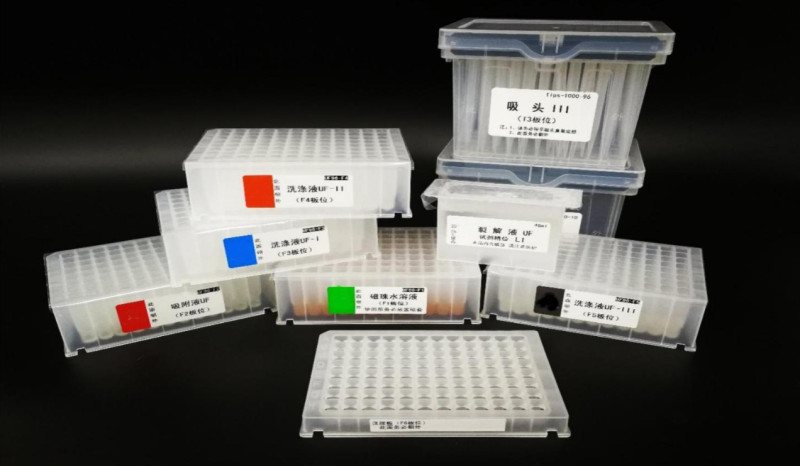
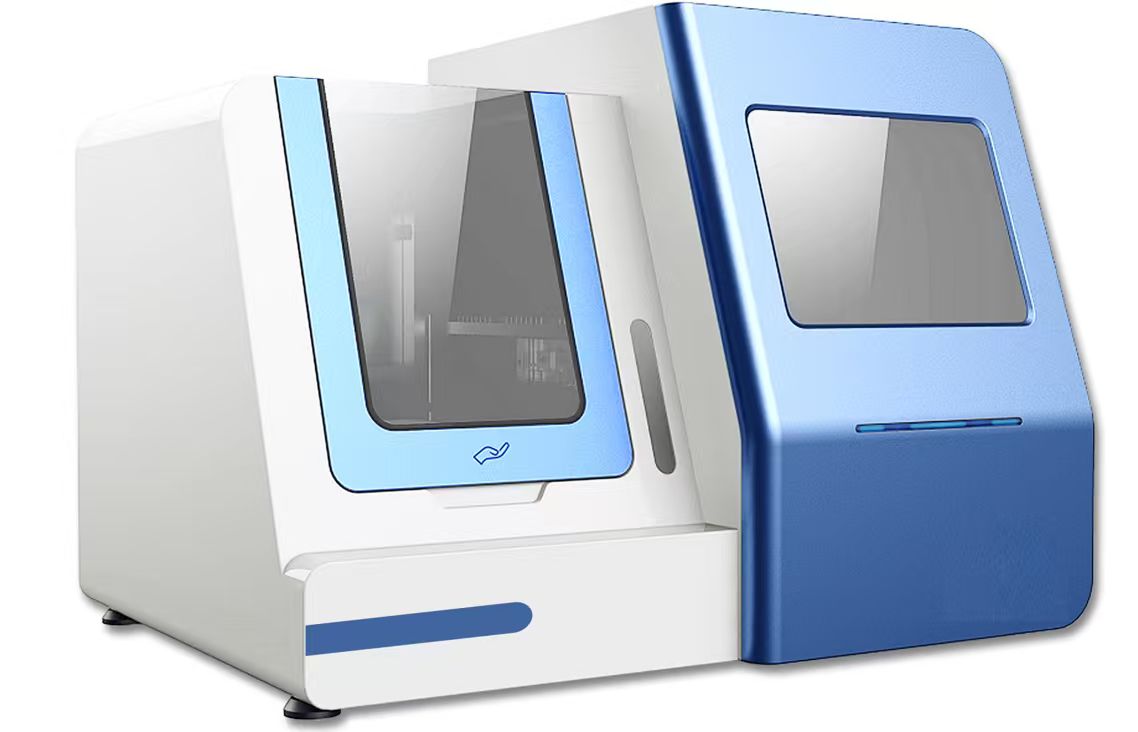
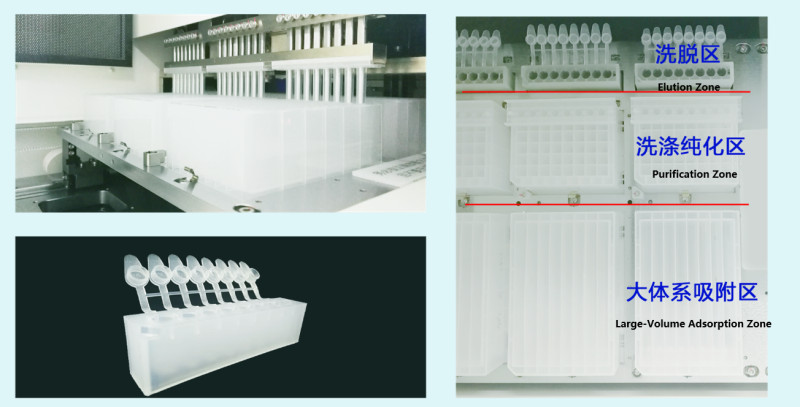
In the realm of forensic science, processing evidence efficiently and reliably is paramount. A semi-automated large volume extractor system represents a significant technological advancement for forensic DNA laboratories. This equipment is engineered to perform the critical first step in DNA analysis: isolating genetic material from complex biological samples. By automating the core steps of this process, such systems handle larger quantities of samples simultaneously, moving beyond the limitations of purely manual methods.
The fundamental operation of these systems often revolves around sophisticated robotic liquid handling arms. These precise instruments transfer liquids between tubes and plates with exceptional accuracy. Coupled with this automation is the widespread adoption of magnetic bead technology for DNA purification. This method uses microscopic beads that selectively bind to DNA, allowing it to be separated from contaminants through a series of wash steps, all facilitated by the system's magnets. Together, these key components create a scalable processing platform that can be tailored to a lab's specific caseload and throughput requirements.
Defining High-Throughput DNA Extraction for Forensic Casework
High-throughput in a forensic context does not merely mean speed; it signifies a systematic capacity to manage many samples with consistent, court-defensible results. For forensic casework, this could involve extracting DNA from dozens of swabs, fabric cuttings, or other items of evidence from multiple cases in a single run. The goal is to transform what was once a labor-intensive, multi-hour manual procedure into a more streamlined, walk-away operation. This shift allows forensic DNA analysts to focus their expertise on data interpretation and complex problem-solving rather than repetitive pipetting tasks.
Key Components: Robotic Liquid Handling, Magnetic Bead Technology, and Scalable Processing
The reliability of a semi-auto large volume extractor hinges on its integrated components. The robotic liquid handling module is the workhorse, ensuring precise reagent volumes are dispensed every time, which is crucial for obtaining high-quality DNA yields. The underlying chemistry, typically based on magnetic bead technology, is chosen for its effectiveness with a wide range of sample types, including those with potent inhibitors common in forensic evidence. Finally, the concept of scalable processing is built into the system's design, often allowing labs to start with a configuration that meets current needs and expand its sample capacity as demand grows, protecting the laboratory's investment over time.
Core Advantages of Our Forensic DNA Extraction System
Implementing an automated extraction platform brings transformative benefits to a forensic laboratory's operation. The most immediate impact is a dramatic increase in operational efficiency. Technicians can load a batch of samples, initiate a pre-validated protocol, and attend to other tasks while the system performs the isolation steps. This efficient use of personnel time is a key factor in managing laboratory resources effectively and addressing case backlogs.
Perhaps even more critical than speed is the enhancement of result consistency. Forensic science demands reproducibility. By standardizing the DNA isolation steps through automation, the system minimizes variables introduced by manual technique. This reduction in human error leads to more reliable and reproducible DNA profiles, which strengthens the integrity of the evidence presented in legal proceedings. The system's design also incorporates protocols optimized for the unique challenges of forensic evidence.
Optimized for Challenging Forensic Samples: Bones, Teeth, and Degraded Biological Evidence
Not all evidence arrives at the lab in pristine condition. A system's true value is tested with compromised samples. Our extraction technology is engineered with protocols specifically for challenging forensic samples. For hard tissues like bones and teeth, which require specialized digestion and purification steps, the system can handle the larger volumes and longer processing times needed to recover minute amounts of DNA. Similarly, for degraded biological evidence exposed to environmental factors, the system's gentle yet efficient purification chemistry helps isolate the fragmented DNA that remains, maximizing the chance of obtaining a usable genetic profile.
Technical Specifications and Workflow Integration
Selecting the right equipment requires a clear understanding of its specifications and how it fits into your existing laboratory workflow. A primary consideration is the system's throughput and sample capacity. This defines how many samples can be processed in a single batch and over a typical workday, directly impacting a lab's ability to meet its casework deadlines and volume demands. It is essential to choose a system that not only meets current needs but also has the headroom for future growth.
Seamless integration is another crucial factor. The best systems are designed for flexibility, offering compatibility with a wide range of commercially available forensic DNA extraction kits. This allows laboratories to use their preferred, validated chemistries without being locked into a single supplier. Furthermore, modern systems are governed by intuitive software for automation, which provides a user-friendly interface for managing extraction protocols, monitoring run progress, and maintaining an audit trail—a vital component of forensic data tracking and quality assurance.
Software and Automation: Streamlined Protocol Management and Data Tracking
The software controlling a semi-automated extractor is the brain of the operation. It allows for the creation, storage, and easy retrieval of standardized extraction protocols. This streamlined protocol management ensures that every sample is processed identically according to the laboratory's standard operating procedures. Additionally, detailed run logs generated by the software contribute to comprehensive data tracking, documenting every step of the process for quality control reviews and forensic accreditation requirements.
Applications in Modern Forensic DNA Analysis
The utility of a high-throughput extraction system extends across several critical domains of forensic genetics. One of the most pressing applications is in accelerating backlog reduction. Many public forensic DNA laboratories face significant backlogs of untested evidence. By drastically increasing the number of samples that can be processed daily, these systems are powerful tools for clearing these backlogs and delivering justice more swiftly.
Beyond routine casework, these systems are indispensable for humanitarian efforts. They play a central role in Missing Persons and Human Identification (MP/HID) programs, where scientists may need to process hundreds of reference samples from families alongside remains recovered from mass disasters or historical incidents. The system's capacity and consistency are vital for generating the reliable data needed for kinship analysis. Similarly, for nations building or maintaining a large-scale DNA database of offenders or arrestees, high-throughput extraction is the foundational step that enables the profiling of thousands of samples efficiently and reliably.
Building Your Solution: Support and Service
Acquiring a sophisticated instrument is just the beginning. A true partnership includes comprehensive support to ensure successful implementation and long-term operation. This starts with professional installation and validation services, where experts ensure the system is set up correctly and performs to specification within your unique laboratory environment. Consultants can also assist with forensic laboratory workflow optimization, helping you redesign your sample flow to maximize the benefits of automation.
Empowering your staff is key to success. We provide comprehensive training programs tailored for forensic DNA analysts and technicians. These sessions cover not only routine operation and maintenance but also troubleshooting and best practices for handling complex samples. To ensure ongoing reliability and minimize downtime, we offer preventive maintenance plans and accessible ongoing technical support, giving you confidence that your critical forensic work can proceed uninterrupted.
Why Choose Our Semi-Auto Extractor for Your DNA Lab?
Our system is not a generic laboratory automaton; it is designed specifically for the rigors of forensic science. Every aspect, from the robust construction to the validated protocols for difficult samples, is engineered with the forensic analyst's challenges in mind. We understand that the data produced must withstand legal scrutiny, and our technology is built to support that standard.
The ultimate measure of the system's value is its impact on your laboratory's mission. By significantly reducing hands-on time and increasing batch sizes, it directly contributes to improving turnaround time for DNA profiling. Faster processing from evidence to extracted DNA means quicker progression through downstream analysis and, ultimately, a faster timeline for generating a profile suitable for CODIS upload and investigative leads. This makes our extractor a scalable investment that grows with your laboratory, future-proofing your operations against increasing caseloads and evolving forensic science demands.
Get a Quote
Contact our sales staff, tell us your needs, and we will provide you with the most suitable solution.
Contact Now