Overcoming the Challenges of Aged and Degraded Evidence
The Critical Need for Specialized Extraction in Forensic Casework
In forensic investigations, analysts frequently encounter biological evidence that has been exposed to harsh environmental conditions for extended periods. These aged evidence samples, which can include decades-old bloodstains, skeletal remains, or items recovered from crime scenes outdoors, present a significant analytical hurdle. The DNA within these samples is often degraded, meaning the long strands have broken into smaller fragments, and the quantity can be extremely low, falling into the category of low-copy-number DNA. Furthermore, substances from the environment, known as PCR inhibitors, such as humic acids from soil or dyes from fabric, can co-purify with the DNA and block subsequent analysis. Standard DNA extraction protocols are not optimized to handle these compounded challenges, often resulting in failed analyses and lost investigative leads.
This is where specialized technology becomes paramount. The process of forensic DNA extraction for compromised materials requires a tailored approach that prioritizes the removal of inhibitors and the efficient recovery of short, damaged DNA fragments. A generic method may recover some genetic material, but it is unlikely to produce a clean, amplifiable sample necessary for generating a complete STR profile. Therefore, laboratories focusing on cold cases or complex evidence must employ dedicated solutions designed from the ground up for the unique demands of challenging forensic samples.
Key Features of Our Aged Evidence Extraction Technology
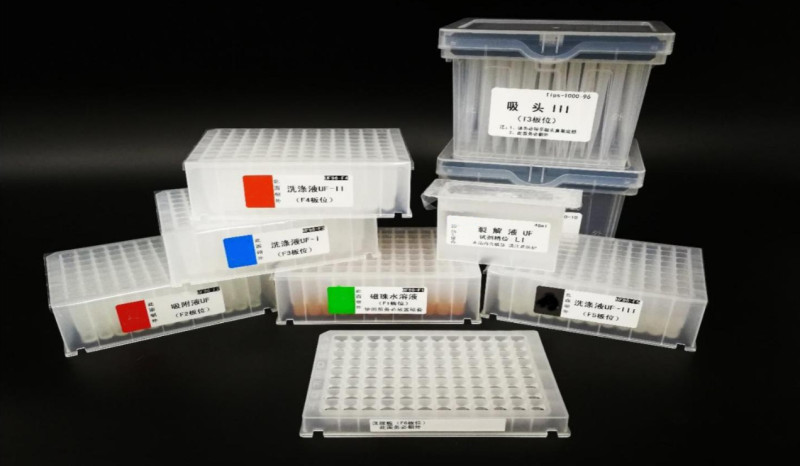
The efficacy of our system begins with its optimized chemistry for inhibitor removal. The proprietary formulation of the binding and wash buffers works in concert with a specific silica-membrane technology in the plate. This combination is engineered to have a high affinity for DNA molecules—even fragmented ones—while allowing common contaminants like humic acids, indigo dyes, and tannins to pass through during the wash steps. This targeted purification is critical for ensuring that the final DNA eluate is of sufficient purity for sensitive downstream processes like quantitative PCR (qPCR) and STR amplification.
Beyond purity, achieving high-sensitivity recovery is the core objective. The chemistry and protocol parameters are fine-tuned to maximize the capture of low-template DNA from substrates that yield minimal biological material. This focus on yield from trace evidence directly increases the probability of obtaining a viable genetic profile where traditional methods might fail. When this advanced chemistry is deployed on a fully automated, walk-away workflow using a 96-channel platform, the benefits are multiplied. The system processes up to 94 samples alongside necessary controls in a single run, standardizing every pipetting step to minimize human error and the risk of cross-contamination between samples, thereby upholding the integrity of the forensic analysis workflow.
Integrated Workflow: From Sample to Profile
Seamless Compatibility with Forensic Laboratory Instruments
Implementing a new protocol should not require a complete overhaul of your laboratory's infrastructure. This kit is designed for seamless compatibility with major liquid handling platforms commonly found in modern forensic labs. Whether your laboratory utilizes systems from leading manufacturers, the pre-configured protocols and ready-to-use reagent strips allow for straightforward integration into your existing lab automation setup. This plug-and-play philosophy extends to the subsequent stages of the DNA analysis pipeline. The purified eluates are ideally suited for direct use in the next critical steps, such as DNA quantification kits to assess yield and the presence of remaining inhibitors, followed by PCR amplification with forensic STR kits.
Protocol Efficiency and Reproducibility
The automated protocol follows a streamlined, four-stage process: efficient lysis to release DNA, binding to the silica membrane, rigorous washing to remove impurities, and a final elution into a clean, low-volume buffer. The true value of automation in forensic science lies in the unparalleled consistency it brings to this process. Every sample across every plate undergoes identical treatment regarding incubation times, wash volumes, and elution conditions. This reproducibility in DNA extraction is not merely a matter of convenience; it is a foundational element of quality assurance. It ensures that results are defensible in a legal context, supports the maintenance of a robust chain of custody, and provides the reliable data integrity required for forensic laboratory accreditation under international standards.
Benefits for Your Forensic DNA Laboratory
Enhancing Laboratory Productivity and Throughput
The shift from manual or lower-throughput methods to a 96-well plate processing format represents a transformative leap in laboratory efficiency. The ability to perform batch processing of forensic samples dramatically increases a lab's capacity, which is essential for managing case backlogs and handling large-scale incidents. This high-throughput DNA extraction significantly reduces hands-on time per sample, freeing highly skilled forensic analysts to dedicate their expertise to more complex tasks such as data interpretation, mixture deconvolution, and court report preparation, thereby optimizing the use of human resources.
Improving Data Quality and Success Rates
The ultimate measure of any extraction method is the quality of the data it produces. By delivering higher DNA recovery rates and cleaner eluates free from inhibitors, this specialized kit directly translates to improved STR amplification success. For the most compromised evidence samples, this can mean the difference between a partial profile and a full, database-searchable result. The consistency of the automated process also mitigates stochastic effects that can lead to allelic dropout—where an allele fails to amplify—especially in low-template samples. This reliability gives analysts greater confidence in their generated profiles.
Supporting Accreditation and Quality Assurance
Modern forensic laboratories operate within a strict framework of quality standards. The automated, standardized nature of this extraction system provides a solid foundation for quality assurance in DNA testing. The process generates consistent, auditable data logs, and the inclusion of extraction controls in every run is integral to monitoring performance. These features directly support compliance with rigorous accreditation standards, such as ISO/IEC 17025, by demonstrating control over pre-analytical variables and ensuring the reliability and traceability of the entire forensic genetics workflow.
Get a Quote
Contact our sales staff, tell us your needs, and we will provide you with the most suitable solution.
Contact Now