What is an Automated 24-Channel Extractor System?
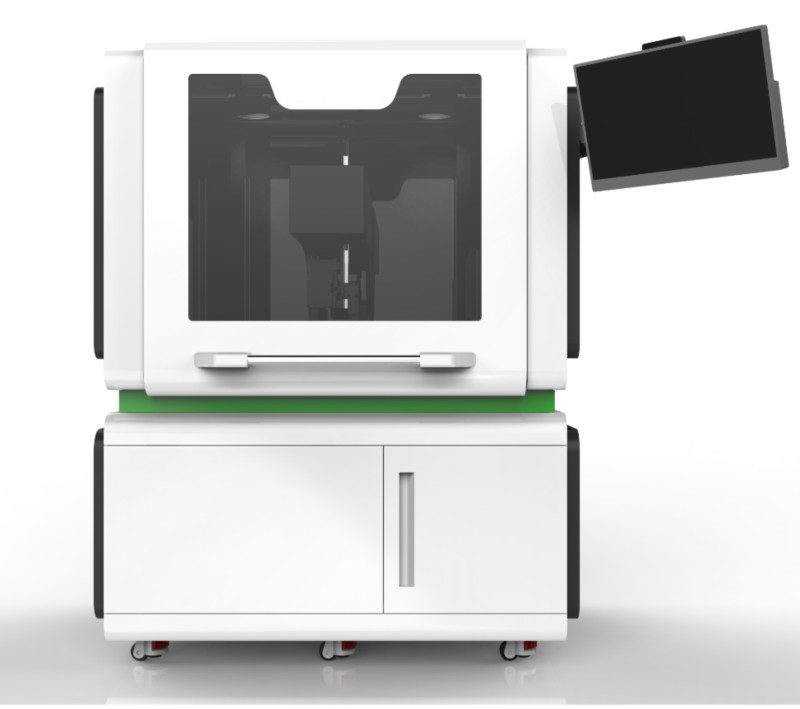
In a forensic DNA laboratory, one of the most critical and time-consuming steps is the extraction and purification of genetic material from evidence samples. An automated 24-channel extractor system is a sophisticated laboratory instrument designed to perform this vital task with high efficiency and minimal manual intervention. At its core, this system automates the process of DNA and RNA purification, handling up to 24 individual samples in a single run. This represents a significant advancement over manual methods, bringing new levels of speed and consistency to the front end of the forensic DNA analysis pipeline.
The functionality of this system hinges on its integration of several key components. A precise robotic pipettor is responsible for transferring liquids, such as lysis buffers and wash solutions, to and from the sample plates. A magnetic module is employed to capture and wash magnetic beads that have bound the target DNA, a method known as magnetic bead-based nucleic acid purification. Furthermore, a programmable heating block is often included to facilitate the lysis step, where cells are broken open to release their DNA. Together, these elements work in a coordinated, software-driven sequence to isolate high-quality genetic material ready for downstream analysis like PCR and capillary electrophoresis.
Core Function: High-Throughput DNA/RNA Purification
The primary mission of an automated 24-channel extractor is high-throughput nucleic acid purification. Throughput refers to the number of samples that can be processed in a given time. By handling 24 samples simultaneously, this system dramatically increases a lab's capacity. This is not merely about speed; it is about applying a standardized, validated protocol to every sample in the batch. Whether the starting material is a swab, a piece of fabric, or a difficult substrate like bone, the automated platform executes the same precise series of steps for each, ensuring that the resulting DNA is both pure and concentrated enough for sensitive forensic typing.
Key Components: Robotic Pipettor, Magnetic Module, and Heating Block
The reliability of the extraction process depends on the precision of its mechanical parts. The robotic pipettor, or liquid handler, is the workhorse, meticulously dispensing and aspirating microliter volumes of reagents. Its accuracy is paramount to avoid cross-contamination between samples and to ensure reagent volumes are consistent, which directly impacts purification efficiency. The magnetic module uses powerful magnets to immobilize bead-bound DNA against the walls of the plate wells while wash buffers are removed, a crucial step for eliminating inhibitors that could hamper later analysis. The integrated heating block provides controlled temperatures to optimize the initial sample lysis, ensuring complete release of DNA from cells or tissue, which is especially important for challenging forensic samples.
Key Features & Technical Specifications
When evaluating an automated extraction platform, several technical specifications define its capability and suitability for a forensic environment. The design philosophy centers on creating a robust, user-friendly system that fits seamlessly into an existing laboratory workflow while delivering evidence-grade results. Key considerations include the system's physical footprint, its compatibility with standard labware like deep-well plates, and the intuitiveness of its control software, which allows technicians to design, save, and run custom protocols for different sample types.
Unmatched Throughput: Process 24 Samples Simultaneously
The defining feature of a 24-channel system is its parallel processing capability. This design directly addresses a major bottleneck in forensic labs: the sheer volume of samples requiring DNA analysis, from backlogged sexual assault kits to daily casework submissions. By processing a full plate of samples in roughly the same time it would take a technician to manually process one or two, the system unlocks new levels of productivity. This parallel processing is not just about quantity; it ensures that a batch of related evidence items from a single case can be processed together under identical conditions, strengthening the analytical continuity of the results.
Precision and Reproducibility: Minimized Cross-Contamination Risk
Forensic science demands the highest standards of accuracy and reproducibility. Automated liquid handling achieves a level of precision in pipetting that is difficult to maintain manually over hundreds of repetitions. This mechanical consistency translates directly into reproducible extraction yields and purity. Furthermore, the system is engineered to minimize aerosol generation and employs disposable tip racks or effective tip washing cycles, which are critical barriers against cross-contamination. The risk of transferring DNA from one sample well to another, which could have catastrophic implications in forensic analysis, is thus significantly reduced compared to open-tube manual methods.
Flexible Protocol Design for Various Forensic Sample Types
Forensic evidence is remarkably diverse. A single instrument must be adaptable to extract DNA from a pristine blood stain, a minute touch DNA sample, and a degraded piece of bone. Modern automated extractors offer flexible, user-programmable software. This allows a laboratory's lead scientist or technical manager to tailor every step of the protocol: lysis incubation time, the number and volume of wash steps, and elution conditions. This flexibility means the same platform can be optimized for a high-yield protocol for reference samples and a more sensitive, inhibitor-removing protocol for low-level or compromised evidence, all within the same automated run if plate-based formatting allows.
Integration with Laboratory Information Management Systems (LIMS)
For a high-throughput forensic DNA laboratory, data integrity and chain of custody are non-negotiable. A key technical feature of advanced automated extraction systems is their ability to integrate with a Laboratory Information Management System (LIMS). This integration allows for the electronic transfer of sample identifiers and batch information directly to the extractor, eliminating manual data entry errors. The system can then log every action, from start to finish, creating a detailed, auditable electronic record of the extraction process. This seamless data flow is a cornerstone of an efficient, accredited forensic laboratory operation.
Benefits for Your Forensic DNA Laboratory
Implementing an automated 24-channel extraction system delivers transformative benefits that extend far beyond simply saving time. It fundamentally enhances the laboratory's operational integrity, scientific output, and staff morale. The investment in automation recalibrates the lab's capacity, allowing it to meet growing demands, reduce backlogs, and deliver results with greater speed and confidence. The benefits are multidimensional, impacting technical quality, human resource allocation, and overall laboratory sustainability.
Dramatically Increase Lab Efficiency and Analyst Productivity
The most immediate impact is a dramatic increase in overall laboratory efficiency. By automating a repetitive, hands-intensive task, the system frees highly trained forensic analysts from the bench. This allows these valuable human resources to focus on more complex, cognitive tasks such as data analysis, interpretation, and report writing. The instrument itself works unattended, often overnight, effectively creating a "second shift" and multiplying the lab's daily output. This boost in productivity directly translates to faster turnaround times for criminal investigations, which is a constant goal for public-serving forensic institutions.
Standardize Extraction Protocols for Consistent, High-Quality Results
Consistency is the bedrock of reliable forensic science. Manual protocols, despite best efforts, can introduce subtle variations between analysts or even from day to day for the same analyst. An automated system executes a locked-down, validated protocol with robotic precision every single time. This standardization ensures that the quality and quantity of DNA extracted from a similar type of evidence are consistent, batch after batch. This high level of reproducibility strengthens the validity of the final DNA profile and provides greater confidence when comparing results across different cases or over time.
Reduce Hands-On Time and Potential for Human Error
Automation directly reduces the potential for human error, a critical consideration in forensic analysis where mistakes can have serious consequences. Fatigue, distraction, or simple pipetting variation during manual processing are risks that are mitigated by the machine's consistent operation. By minimizing direct human handling of samples during the extraction process, the system also reduces opportunities for sample mix-up or contamination from the analyst. This not only safeguards the integrity of the evidence but also protects laboratory staff by limiting their exposure to potentially hazardous biological materials.
Optimize Workflow for High-Volume Casework and Database Samples
The architecture of a 24-channel system is ideally suited to streamline workflows for two major forensic DNA workloads: active casework and database sample processing. For casework, it allows for the efficient batch processing of multiple items from a single investigation. For database samples, such as those from convicted offender programs or arrestee collections, the high-throughput nature of the platform is indispensable. Labs can process hundreds of reference samples per week with a predictable and efficient rhythm, accelerating the growth and utility of DNA databases for investigative leads.
Ideal Applications in Forensic Science
The versatility of automated 24-channel extraction makes it a cornerstone technology across the spectrum of forensic DNA analysis. Its applications are defined by the need for reliable, high-quality DNA from a variety of sample sources, often under challenging conditions or high-volume pressure. From the most sensitive trace evidence to large-scale humanitarian efforts, this technology provides the robust, reproducible foundation required for successful genotyping.
Processing Sexual Assault Kits (SAKs) and Touch DNA Evidence
Sexual Assault Kits (SAKs) often contain complex mixtures and very low quantities of DNA, making their processing technically demanding. Automated extraction provides the sensitive, consistent, and high-throughput platform needed to address SAK backlogs effectively. Similarly, touch DNA evidence—DNA transferred from skin cells onto an object—is notoriously challenging due to its low yield and susceptibility to inhibition. The automated system's ability to perform thorough wash steps and elute DNA into a small, concentrated volume is particularly beneficial for maximizing the chance of obtaining a usable profile from these critical evidence types.
High-Throughput Extraction for DNA Database Buildup
National and regional DNA databases are powerful tools for solving crimes and identifying missing persons. Building and maintaining these databases requires the processing of an enormous number of reference samples, typically buccal swabs. The 24-channel extractor is the engine for this effort. Its capacity to process full plates of samples with minimal hands-on time allows crime labs or dedicated database laboratories to maintain a rapid and steady intake, ensuring that new profiles are entered into the searchable system without delay, thereby enhancing its currentness and investigative value.
Challenging Samples: Bone, Teeth, and Degraded Materials
Mass disasters, historical investigations, and cold cases often involve the most challenging biological materials: skeletal remains, teeth, and severely degraded tissue. These samples require specialized, often lengthy, extraction protocols to break down the tough matrix and recover short, damaged DNA fragments. Automation is invaluable here. It allows for the consistent application of multi-hour demineralization or digestion steps followed by precise purification, all without constant technician supervision. This ensures the best possible recovery of DNA from materials that represent the last chance for identification or association.
Compatible with Leading Forensic DNA Extraction Kits and Reagents
A significant advantage of modern open-platform automated extractors is their compatibility with a wide range of commercially available forensic DNA extraction kits and reagents. Laboratories are not locked into a single vendor's chemistry. They can choose magnetic bead-based kits specifically validated for forensic use, which may include pre-lysed direct amplification formats or specialized kits for difficult samples. This compatibility gives laboratories the freedom to select the best-in-class chemistry for their specific needs and to adapt to new advancements in reagent technology without needing to replace the entire instrumentation platform.
Our Complete Forensic DNA Extraction Solution
At Forensic DNA Labs, we understand that acquiring a major piece of instrumentation is just the beginning. Our commitment is to provide a complete, turnkey solution that ensures your laboratory achieves its operational goals from day one. Our partnership extends beyond the sale, encompassing everything from the physical installation to the long-term optimization of your workflow. We view our role as a collaborative partner in strengthening your laboratory's forensic DNA capabilities.
System Installation, Validation, and On-Site Training
Our service begins with professional installation by our certified field engineers, who ensure the instrument is perfectly calibrated and integrated into your lab space. Following installation, we support your team through the critical validation phase. We provide guidance and templates to help you perform the installation, operational, and performance qualifications (IQ/OQ/PQ) necessary to meet accreditation standards. Complementing this, we offer comprehensive on-site training for your analysts and technical staff, ensuring they are confident and proficient in operating the system, designing protocols, and performing routine maintenance.
Ongoing Technical Support and Preventative Maintenance
Reliable operation is paramount. Our dedicated support team, staffed by experts with forensic science backgrounds, is available to provide timely assistance for any operational questions or technical issues. We also offer scheduled preventative maintenance plans. These regular service visits by our engineers help to proactively identify and address potential issues before they lead to downtime, ensuring your instrument maintains its precision and reliability over years of service. This proactive care protects your investment and keeps your extraction workflow running smoothly.
Recommended Consumables: Tips, Reagent Kits, and Plates
To achieve optimal performance, it is essential to use high-quality consumables designed for automated systems. We supply and recommend a curated selection of consumables, including sterile, filtered pipette tips that prevent aerosol carryover, deep-well plates compatible with magnetic separation, and seals. Furthermore, our technical specialists can advise on the selection of forensic-grade magnetic bead reagent kits that are proven to work seamlessly with the platform, ensuring you achieve the highest possible DNA recovery and purity for your specific applications.
Tailoring the Platform to Your Specific Laboratory Workflow
Every forensic DNA laboratory has a unique workflow, case mix, and accreditation requirements. Our experts work closely with you to tailor the automated extraction platform to your specific environment. This can involve creating and validating custom protocols in the instrument software for your most common sample types, advising on optimal batch sizes and plate layouts to match your downstream amplification and analysis setup, and ensuring the entire process from evidence intake to data analysis is as streamlined and efficient as possible.
Why Choose Forensic DNA Labs for Your Automation Needs?
Selecting a provider for your forensic laboratory automation is a significant decision. It requires a partner who not only understands the technology but also deeply comprehends the unique demands, regulations, and stakes of forensic DNA analysis. Forensic DNA Labs is built on this foundation of specialized expertise. Our mission is to empower your laboratory with technology and support that meets the exacting standards of the justice system.
Expertise in Forensic Laboratory Setup and Process Optimization
Our team possesses extensive, hands-on experience in forensic laboratory operations. We don't just sell instruments; we provide solutions based on a real-world understanding of the entire forensic DNA process, from sample receipt to CODIS upload. This expertise allows us to offer insightful consultation on how to integrate automation into your existing workflow for maximum benefit, how to design validation studies, and how to navigate the requirements of standards such as those from the ANSI National Accreditation Board (ANAB). We help you optimize not just a step, but your entire process.
Dedicated Support Team with Forensic Science Background
When you contact our support team, you are speaking with professionals who have been in your shoes. Many of our support specialists hold degrees in forensic science, molecular biology, or related fields and have prior experience working in operational crime labs. This means they can troubleshoot not just the mechanics of the instrument, but also understand the context of your analytical problem. They provide support that is technically astute and practically relevant, helping you resolve issues quickly and maintain the integrity of your casework.
Commitment to Quality and Evidence-Grade Performance
Our ultimate commitment is to the quality of the results your laboratory produces. Every product we recommend, every protocol we help design, and every service we provide is guided by the principle of enabling evidence-grade performance. We select instrumentation and consumables known for their reliability and suitability for forensic applications. Our goal is to be a trusted partner in your laboratory's mission to deliver accurate, reliable, and timely DNA analysis that supports the administration of justice.
Streamlining Forensic Genetics with the Automated 24-Channel Extractor System
Explore the automated 24-channel extractor system for forensic DNA laboratories. Learn about magnetic bead purification, high-throughput processing, inhibitor removal, and seamless LIMS integration...
Get a Quote
Contact our sales staff, tell us your needs, and we will provide you with the most suitable solution.
Contact Now