What is a Semi-Auto Large Volume Trace DNA Kit?
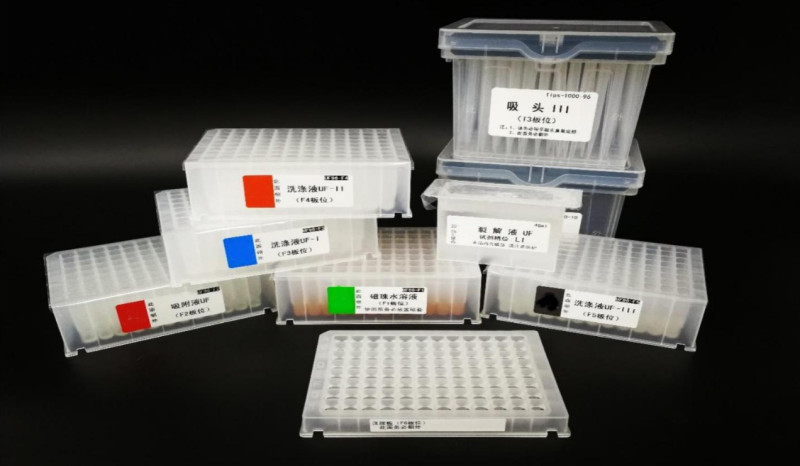
In forensic science, recovering genetic material from minute or diluted sources—often called trace DNA or touch DNA—is a critical challenge. A Semi-Auto Large Volume Trace DNA Kit is a specialized set of reagents and protocols designed to address this. It enables the efficient purification of DNA from large sample volumes, such as extensive swab washes or fabric extracts, where the total amount of DNA is low but spread out. This approach is crucial for maximizing the chance of obtaining a usable DNA profile from evidence that might otherwise yield no results.
Core Components and Reagent Formulation
The efficacy of any DNA extraction kit hinges on its chemical composition. The reagents within this kit are formulated to selectively bind nucleic acids to a silica-based membrane in the presence of specific binding salts, even from dilute solutions. A series of optimized wash buffers then remove common forensic inhibitors like humic acids, dyes, or ionic detergents that can interfere with later analysis. The final elution buffer releases the purified DNA in a small, concentrated volume compatible with sensitive downstream processes like PCR amplification.
Integration with Semi-Automated Liquid Handling Platforms
The "Semi-Auto" designation is key to its modern utility. These kits are engineered for use with benchtop liquid handling robots or workstations. This means the meticulous, repetitive pipetting steps of binding, washing, and eluting are managed by an instrument following a pre-programmed protocol. This integration minimizes manual handling, reduces the risk of cross-contamination, and standardizes the extraction process across multiple samples simultaneously, which is vital for maintaining chain of custody and procedural integrity.
Key Advantages for Forensic DNA Laboratories
Adopting a standardized, semi-automated approach for trace DNA recovery offers transformative benefits for a laboratory's operational output and evidentiary success rate. The primary advantage is the systematic improvement in recovering genetic information from the most challenging evidence items, turning potential dead ends into investigative leads.
Enhanced Sensitivity for Low-Copy Number and Degraded Samples
Sensitivity refers to the kit's ability to recover very small amounts of DNA. By processing large input volumes, the kit concentrates the often scant DNA present onto a single purification column. Furthermore, the chemistry is optimized to retain shorter DNA fragments, which are typical in degraded samples from old or environmentally exposed evidence. This enhanced recovery directly translates to a higher probability of generating a complete short tandem repeat (STR) profile.
High-Throughput Processing and Workflow Efficiency
Forensic backlogs are a persistent challenge. Manual extraction methods are time-consuming and labor-intensive. By leveraging automation-friendly kits, a technician can set up dozens of samples for extraction in a fraction of the time. The instrument then processes the batch unattended, freeing up skilled personnel for data analysis and other complex tasks. This scalability is essential for laboratories handling high caseloads or needing to process large batches of reference samples efficiently.
Consistent Yield and Purity for Downstream STR Analysis
Consistency is the cornerstone of reliable forensic science. Automated liquid handling provides highly reproducible pipetting volumes and incubation times, leading to more uniform DNA yields and purity from sample to sample. High-purity DNA extract, free of PCR inhibitors, ensures that subsequent steps in the workflow—namely, DNA amplification using STR kits and capillary electrophoresis—perform optimally. This reduces the incidence of partial profiles, allelic drop-out, or amplification failure, leading to more robust and defensible results.
Optimized for Challenging Forensic Evidence Types
The true test of a trace DNA kit is its performance on real-world evidence. The Semi-Auto Large Volume format is specifically tailored for evidence types that traditionally pose significant recovery hurdles. Its design acknowledges that forensic samples are rarely pristine and often require a tailored approach to nucleic acid isolation.
Processing Large-Volume Swabs and Substrate Extracts
Evidence collection often involves swabbing large surface areas or soaking fabric cuttings to release cells. This creates a dilute sample in several milliliters of buffer. Traditional kits designed for small volumes would miss the dispersed DNA. This kit's ability to bind DNA from these large volumes is fundamental, allowing the entire collected sample to be processed without the need for splitting, which can complicate the forensic analysis and reporting.
Recovery of DNA from Touch DNA and Contact Traces
Shed skin cells transferred by mere contact are a common source of DNA evidence. These samples are characterized by an extremely low quantity of biological material. The kit's high-binding-efficiency chemistry is calibrated to capture these minimal amounts from complex mixtures. When combined with an optimized evidence collection technique, it forms a powerful front-line tool for processing evidence from burglaries, assaults, or handled items.
Effective Isolation from Inhibitor-Rich Samples
Forensic evidence can be contaminated with substances that block enzymatic reactions in PCR. Common inhibitors include hematin from blood, tannins from soil or leather, and calcium from bone. The wash buffers in this kit are rigorously tested to remove a broad spectrum of these compounds during the purification process. This capability is essential for processing samples from outdoor scenes, decomposed remains, or certain types of clothing, ensuring the isolated DNA is amenable to amplification.
Technical Specifications and Protocol Highlights
Understanding the operational parameters of the kit is essential for laboratory integration and validation. These specifications guide forensic analysts in selecting the appropriate protocol for their evidence type and ensuring their instrumentation is properly configured for success.
Sample Input Volume Range and Elution Options
The kit typically supports a wide input volume range, often from one to several milliliters, providing flexibility for different extraction protocols. The final elution step allows the DNA to be recovered in a small, defined volume, usually between 25 to 100 microliters. This concentration step is critical for ensuring the DNA is at an optimal concentration for the quantitative PCR step that usually follows extraction, known as DNA quantification.
Compatible Instrumentation and Automation Scripts
Compatibility extends to major brands of semi-automated liquid handlers commonly found in forensic laboratories. The provider supplies or recommends specific automation scripts or protocols for these platforms. These pre-validated scripts define the instrument's movements, liquid handling steps, and timings, ensuring the manual protocol is accurately translated into an automated process. This reduces setup time and validation burden for the lab.
Quality Control Metrics and Validation Support
Implementing a new extraction method requires rigorous internal validation. Reputable providers supply detailed performance data, including expected DNA recovery rates from standardized samples, inhibitor removal efficiency, and consistency metrics. Furthermore, they often offer validation support guides to help laboratories design their internal studies, ensuring the kit meets accreditation standards like those from the ANSI National Accreditation Board or other relevant bodies.
Building Your Trace DNA Analysis Workflow
The extraction kit is not an isolated product but a central component in a cohesive DNA analysis pipeline. Its performance influences and is influenced by the steps that come before and after. A holistic view of the workflow ensures maximum efficiency and success from evidence intake to profile generation.
From Sample Collection to DNA Extraction: A Cohesive Process
The workflow begins at the crime scene or evidence intake. The choice of swab, moistening agent, and extraction buffer can significantly impact the kit's performance. Using compatible, recommended collection materials ensures optimal cell lysis and DNA release into the solution that will be loaded onto the automated platform. This seamless transition from collection to processing minimizes sample loss and variability.
Pairing with Downstream Amplification Kits and Capillary Electrophoresis
The purified DNA extract moves next to quantification and then PCR amplification using commercial STR multiplex kits. The high purity and consistent yield from the Semi-Auto Large Volume Kit provide an ideal template for these sensitive amplification reactions. The resulting PCR product is then separated and detected by capillary electrophoresis, the final step in generating a DNA profile. A well-optimized extraction directly reduces artifacts and improves peak balance in this final electrophoregram.
Laboratory Setup Considerations and Consumable Requirements
Implementing this workflow requires planning. The laboratory must designate pre- and post-PCR areas to prevent contamination. Adequate bench space for the liquid handler, associated centrifuges, and vortexers is needed. Furthermore, laboratories must plan their supply chain for the necessary consumables—including specific tip boxes, reagent reservoirs, and elution tubes compatible with the automation platform—to ensure uninterrupted operation.
FAQs: Semi-Auto Large Volume Trace DNA Kits
Common questions arise when laboratories consider integrating new technology. Addressing these concerns helps clarify the kit's role and requirements within the modern forensic DNA laboratory.
How does this kit improve upon manual trace DNA extraction methods?
The improvement is multi-faceted. Automation drastically increases throughput and reduces hands-on time. It also minimizes inter-operator variability and pipetting errors, leading to greater consistency. The specialized chemistry for large volumes and inhibitors often surpasses the capabilities of older manual silica-based methods, resulting in higher recovery rates from challenging samples and more reliable outcomes for casework.
What level of laboratory validation is recommended before implementation?
Before implementing any new kit for forensic casework, a comprehensive internal validation study is mandatory. This typically involves testing the kit's sensitivity, reproducibility, inhibitor tolerance, and performance on mock casework samples. The study should be designed to meet the requirements of the laboratory's accrediting body, proving the kit is reliable and robust under the lab's specific conditions and protocols before it is used on actual evidence.
Can this kit be used for both human and non-human DNA recovery?
While the chemistry binds DNA generally, the kit is optimized for the conditions of human forensic casework. The buffers and protocols are designed for samples containing human cells and common forensic inhibitors. For dedicated non-human DNA work, such as wildlife forensics or animal DNA testing, kits specifically optimized for those sample types (e.g., from plant or tough animal tissue) might offer better performance. However, this kit can often be a effective tool for recovering mammalian DNA in a general sense.
Why Choose Forensic DNA Labs for Your Trace DNA Solutions?
Selecting a supplier for critical forensic reagents goes beyond the product datasheet. It involves partnering with an organization that understands the unique demands, regulations, and pressures of a forensic DNA laboratory. The right partner acts as an extension of your team, ensuring not just product delivery, but workflow success.
Expertise in Forensic Laboratory Workflow Design
Our team comprises scientists with direct experience in operational forensic laboratories. We understand the chain of custody, the need for validation, and the pressure to deliver clear results. We don't just sell kits; we provide solutions that consider your entire process, from evidence storage logistics to data analysis software compatibility, helping you build a more efficient and resilient operation.
Comprehensive Technical Support and Training Services
Implementation support is critical. We offer detailed technical documentation, on-site or virtual training for your staff on both the chemistry and the associated instrumentation, and dedicated application scientist support. Whether you are troubleshooting a protocol, designing a validation study, or scaling up your throughput, our experts are available to help ensure your success and maintain the continuity of your critical casework.
Reliable Supply Chain for Consumables and Reagents
We recognize that a forensic laboratory cannot afford delays. Our commitment includes maintaining robust inventory levels and a transparent supply chain for all our kits and essential consumables. This reliability ensures you can plan your casework and research schedules with confidence, knowing your essential reagents will be available when you need them, safeguarding your laboratory's productivity and its service to the justice system.
Get a Quote
Contact our sales staff, tell us your needs, and we will provide you with the most suitable solution.
Contact Now