Introduction to Manual Magnetic Bead Bone DNA Kit
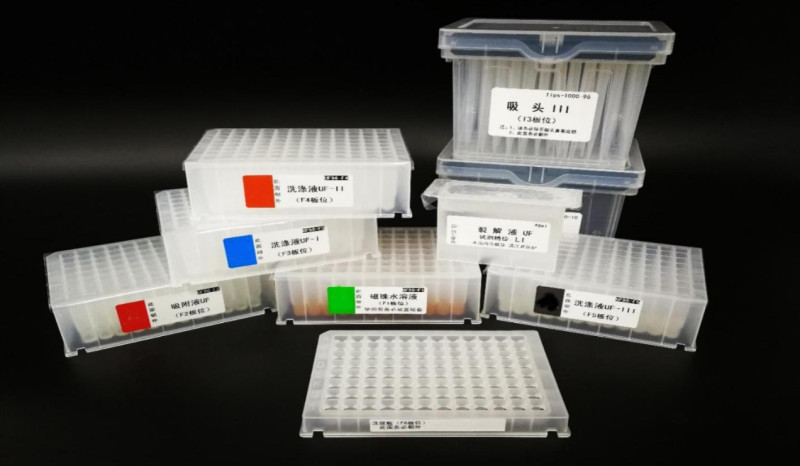
Extracting DNA from bone presents a unique set of challenges for forensic scientists. Unlike soft tissues, bones are highly mineralized and often contain inhibitors that can interfere with downstream analysis. The manual magnetic bead bone DNA kit is specifically engineered to meet these challenges head-on, providing a reliable method for isolating genetic material from even the most difficult samples.
This technology leverages the power of magnetic separation, a process that has revolutionized nucleic acid purification. By using specialized paramagnetic particles, the kit allows for the selective binding of DNA while effectively washing away contaminants. This approach is particularly advantageous for bone samples, as it minimizes handling steps and reduces the risk of cross-contamination, which is paramount in forensic casework.
Why Choose Magnetic Bead Technology for Bone DNA Extraction?
Magnetic bead technology offers distinct advantages for forensic DNA extraction, especially from challenging substrates like bone. The core principle involves coating microscopic beads with a surface chemistry that selectively binds to DNA molecules. When a magnetic field is applied, these beads—and the DNA attached to them—are pulled to the side of the tube, allowing impurities in the solution to be easily removed. This method is highly efficient and automatable, but in its manual format, it gives the analyst complete control over each purification step.
For bone samples, which may be degraded or contain high levels of calcium and other PCR inhibitors, this controlled purification is critical. The specific binding action of the magnetic beads helps separate the target DNA from these inhibiting substances, resulting in a cleaner extract. This purity is directly linked to more successful Short Tandem Repeat (STR) profiling, the gold standard in forensic human identification.
Key Challenges in Bone DNA Analysis and How Our Kit Addresses Them
Forensic bone analysis often deals with samples that are old, burned, or exposed to harsh environmental conditions. These factors lead to DNA degradation and the presence of co-purifying inhibitors like humic acids or melanin. A standard DNA extraction protocol may fail to recover sufficient genetic material or may carry over these inhibitors, which can block the enzymatic reactions used in PCR amplification.
Our manual magnetic bead kit is formulated to tackle these issues. It begins with a robust lysis and decalcification step, designed to break down the hard bone matrix and release DNA fragments. The subsequent use of optimized wash buffers in conjunction with the magnetic beads ensures that inhibitors are effectively stripped away during the purification process. This focused approach maximizes the recovery of amplifiable DNA, turning challenging samples into viable sources of genetic information for identification.
Core Features and Benefits of Our Bone DNA Extraction Kit
The design of our manual magnetic bead kit centers on delivering high-quality results with a user-friendly workflow. Every component, from the lysis buffer to the magnetic beads themselves, has been selected and tested for optimal performance on bone and teeth samples. The goal is to provide forensic laboratories with a consistent and trustworthy tool for their most demanding cases.
By integrating superior chemistry with a straightforward protocol, the kit reduces hands-on time and technical variability between different analysts. This consistency is a key benefit, as it leads to more reproducible STR profiles, which is essential for building strong, defensible evidence in both criminal investigations and humanitarian efforts like identifying missing persons.
Superior Lysis and Decalcification for Maximum DNA Yield
The first and perhaps most crucial step in bone DNA extraction is the complete breakdown of the sample. Our kit employs a powerful digestion buffer that combines proteinase K for digesting organic material with a specialized agent for decalcification. This dual action is vital for penetrating the dense hydroxyapatite structure of bone to liberate DNA that may be trapped within.
This thorough lysis process is engineered to work on a variety of bone types and conditions. Whether processing a fresh fragment or a centuries-old archaeological specimen, the buffer system works to maximize the release of DNA fragments. Efficient lysis directly correlates with higher final DNA yield, providing more template for subsequent genetic analysis and increasing the likelihood of obtaining a full DNA profile.
High-Purity DNA Isolation with Specific Magnetic Beads
Following lysis, the solution contains not only DNA but also proteins, cellular debris, and the inhibitors common to bone. The specificity of our magnetic beads is what sets this kit apart. The beads are coated with a silica-based matrix that binds DNA with high affinity in the presence of a chaotropic salt, a substance that helps denature proteins and promote DNA adhesion.
As the mixture is exposed to a magnetic stand, the beads form a pellet against the tube wall. The contaminated supernatant is then aspirated away without disturbing the bead pellet. A series of ethanol-based wash buffers then remove salts and residual impurities. The final elution step uses a low-salt buffer or water to release the pure, concentrated DNA from the beads, ready for quantification and STR analysis. This process ensures the removal of PCR inhibitors that could compromise downstream results.
Streamlined Protocol for Efficient Forensic Laboratory Workflow
Time is often a critical factor in forensic investigations. Our manual magnetic bead kit features a streamlined protocol that minimizes the number of tube transfers and centrifugation steps. The magnetic separation process is quick and visual, allowing the analyst to confirm that the beads have been captured before removing wash solutions.
This efficient workflow reduces the total processing time per batch of samples and decreases the potential for pipetting errors or sample mix-ups. The protocol is designed to be easily integrated into a laboratory's standard operating procedures, requiring minimal training for new technicians. By simplifying the complex task of bone DNA extraction, the kit allows forensic professionals to focus on interpretation and analysis rather than lengthy sample preparation.
Get a Quote
Contact our sales staff, tell us your needs, and we will provide you with the most suitable solution.
Contact Now