What is an Automated 24-Channel Aged Evidence Kit?
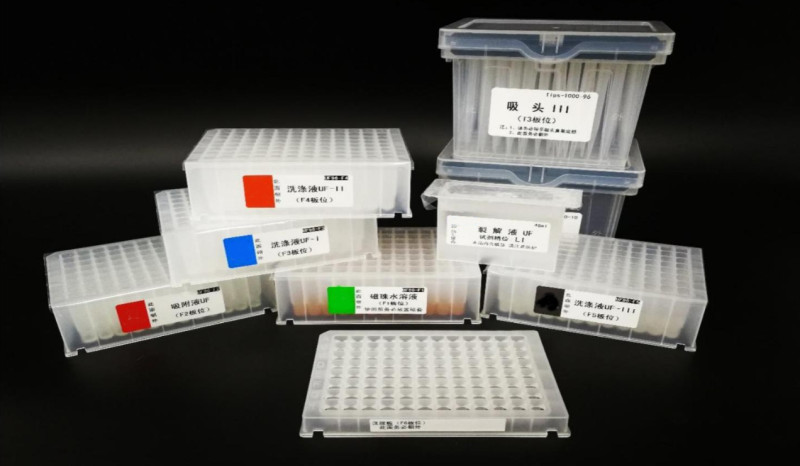
In forensic science, obtaining a viable DNA profile from old or compromised evidence is a significant challenge. An Automated 24-Channel Aged Evidence Kit is a sophisticated solution designed specifically for this task. It represents a complete system that combines specialized biochemistry with automated instrumentation to isolate genetic material from samples where DNA may be damaged, present in very low quantities, or mixed with substances that inhibit analysis. This approach moves beyond basic extraction, offering a standardized, reliable method for laboratories handling complex cases.
The core function of this system is high-throughput DNA extraction from degraded samples. Degradation can occur due to environmental factors like heat, moisture, or sunlight, breaking down the long DNA strands essential for profiling. The optimized chemistry within these kits is formulated to target and recover the shorter DNA fragments that remain, maximizing the potential for a successful analysis. Furthermore, the automated 24-channel format allows a forensic technician to process two full microplates of samples simultaneously, dramatically increasing laboratory throughput while maintaining stringent consistency across every sample, which is paramount for forensic integrity.
Core Function: High-Throughput DNA Extraction from Degraded Samples
The process begins with the kit's specialized lysis buffers, which are engineered to break open cells and release DNA even from tough substrates like bone or teeth, while also beginning to neutralize common inhibitors. Following lysis, the chemistry employs a binding step that selectively captures DNA molecules onto magnetic beads or a silica membrane, depending on the kit design. This step is crucial for separating the DNA from proteins, cellular debris, and inhibitory substances that could halt the subsequent Polymerase Chain Reaction (PCR). The high-throughput capability is realized through integration with a 24-channel liquid handling robot, which performs these washing and elution steps with precision and speed unattainable with manual methods, ensuring every sample receives identical treatment for comparable results.
Key Advantage: Minimizing Contamination Risk in Forensic DNA Analysis
Contamination is the adversary of any forensic DNA laboratory, as it can compromise an entire investigation. The design of an automated aged evidence kit is a primary defense against this risk. By automating the pipetting and transfer steps, the system minimizes human handling of the samples after they are loaded. This closed-tube processing reduces opportunities for introducing foreign DNA or cross-contamination between samples. Moreover, the use of disposable tips and pre-packaged, quality-controlled reagent chemistries ensures that each extraction run starts with pristine materials, upholding the chain of custody and the evidentiary value of the extracted DNA.
Critical Features of Our Forensic DNA Extraction Kit
The efficacy of a forensic extraction kit lies in its detailed specifications and validated performance. Our kits are developed with a deep understanding of the sample types encountered in casework. The chemistry is not a one-size-fits-all solution; it is optimized for low-copy-number and inhibitor-rich samples. This means the buffers and enzymes are fine-tuned to recover the scant DNA often found in touch evidence, such as skin cells on a handled object, and to overcome substances like hematin from blood or dyes from fabric that can interfere with DNA amplification.
A standout feature is the 24-channel parallel processing capability, which directly translates to superior laboratory efficiency. This architecture allows a laboratory to scale its operations, processing challenging aged samples alongside more routine ones without creating a bottleneck. Each channel operates independently, ensuring that the protocol for a delicate bone sample proceeds with the same care and timing as that for a fabric swatch. This parallel processing is seamlessly integrated into modern forensic DNA laboratory workflows, feeding directly into downstream steps like DNA quantification and STR analysis without the need for sample reformatting.
Validated Protocols for Touch DNA, Bone, and Teeth Samples
Validation is a cornerstone of forensic methodology. Our kits come with extensively validated protocols for specific, challenging sample types. For touch DNA, the protocol emphasizes maximizing recovery from the limited number of cells available. For mineralized tissues like bone and teeth, which are often key in missing persons or historical cases, the protocol includes a dedicated decalcification or digestion step to break down the hard matrix and access the DNA within. These validated methods provide forensic scientists with a proven, reliable roadmap, reducing validation time in-house and giving confidence that the extracted DNA is suitable for generating court-admissible DNA profiles.
Solving Complex Forensic Challenges with Automated Extraction
Forensic laboratories frequently encounter evidence that has been subjected to harsh conditions. Automated extraction systems equipped with specialized aged evidence kits are engineered to meet these complex challenges head-on. For instance, in cold case reviews where evidence may have been stored for decades, the DNA is often severely degraded. The targeted chemistry in these kits improves DNA yield from such historical evidence by focusing on fragment recovery and inhibitor removal, breathing new life into investigations that had previously reached an impasse.
Environmental exposure introduces another layer of complexity: PCR inhibitors. Samples recovered from soil, water, or heavily dyed materials can contain substances like humic acids, tannins, or industrial chemicals that block the DNA amplification process. An effective aged evidence kit incorporates robust purification steps designed for the effective removal of these contaminants. The process isolates the DNA from humic acids common in soil or dyes from fabric swatches, ensuring the final eluted DNA is as pure as possible, which is critical for the success of subsequent genetic analysis.
Standardizing Results for Court-Admissible DNA Profiles
The ultimate goal of any forensic DNA analysis is to produce a clear, reliable profile that can be presented as evidence. Automation with a dedicated kit is a powerful tool for standardizing results. By removing manual variability from the extraction process—differences in pipetting technique, incubation timing, or wash vigor—the system ensures that the DNA input into the profiling instrument is consistent in both quantity and quality. This standardization strengthens the scientific foundation of the results, making the DNA profiles generated more robust and defensible in a legal context, which is a primary concern for any forensic DNA laboratory.
Building Your Forensic Lab Solution: From Kit to Workstation
Implementing an automated solution for aged evidence is more than just purchasing a kit; it involves building a integrated workstation. The first consideration is liquid handler compatibility. Our kits are designed to work seamlessly with major brands of robotic liquid handling platforms, ensuring smooth robotic integration. The pre-programmed protocols control the pipetting, mixing, heating, and magnetic separation steps, turning the instrument into a dedicated forensic extraction workstation. This integration is key to creating an efficient and reproducible pipeline for processing challenging samples.
Beyond the instrument, a complete workflow requires essential consumables and reagents. This includes not only the core extraction kit chemistry but also the compatible microplates, sealing films, and elution tubes. We provide guidance on building this complete supply chain to ensure no step is hindered. Furthermore, our technical support extends to forensic DNA laboratory setup and validation. Our application specialists, who have direct experience in forensic science, can assist in protocol optimization, training on the automated system, and helping design validation studies to meet your laboratory's accreditation standards, ensuring your entire solution is operational and compliant.
Essential Consumables and Reagents for a Complete Workflow
A reliable DNA extraction process depends on every component in the chain. The consumables, such as deep-well plates resistant to the lysis chemicals, and high-quality sealing films that prevent evaporation during heating steps, are critical for success. The reagents themselves undergo rigorous quality control; each batch is tested for performance with degraded DNA standards to ensure consistency. By sourcing these essential consumables and reagents as a coordinated system from a single provider, laboratories simplify their logistics and gain assurance that all components are designed to work in harmony, reducing the variables that can affect sensitive forensic DNA analysis.
Why Choose Our Aged Evidence Kits for Your DNA Laboratory?
Selecting a supplier for critical forensic supplies involves evaluating more than just a product datasheet. Our commitment begins with rigorous quality control. Every lot of our aged evidence kits is tested against challenging reference samples to ensure it delivers consistent forensic results. This level of QC provides peace of mind, knowing that the tool you are using to extract DNA from a pivotal piece of evidence performs reliably, batch after batch, which is fundamental for maintaining the integrity of long-term casework and cold case investigations.
We back our products with dedicated forensic science support. Our team includes application specialists with backgrounds in forensic DNA analysis who understand your workflow and challenges. They are available to troubleshoot, offer protocol advice, and help you maximize the success rate of your extractions. This expert support, combined with our focus on streamlining your procurement for all DNA analysis supplies—from extraction kits to amplification reagents and laboratory equipment—makes us a comprehensive partner in building and maintaining a high-performing, efficient forensic DNA laboratory.
Frequently Asked Questions (FAQs): Forensic DNA Extraction Kits
What is the typical recovery rate for degraded DNA samples?
Recovery rates are highly dependent on the initial state of the sample, including the level of degradation and the concentration of inhibitors present. While our kits are optimized for such challenges, providing a generalized percentage can be misleading. Instead, our validation data demonstrates significant improvement in both the quantity of DNA recovered and the quality of the resulting STR profiles compared to non-optimized methods when processing aged bloodstains, skeletal remains, or environmentally exposed materials. We provide detailed application notes with case study data to help set realistic expectations for specific sample types.
How does this kit compare to manual silica-based extraction methods?
The automated kit system offers several advantages over traditional manual silica-column methods. First, it dramatically increases throughput and consistency by processing 24 samples in parallel with robotic precision. Second, the chemistry is often more forgiving of inhibitors and better suited to the shorter DNA fragments found in degraded samples. Third, it minimizes hands-on time and contamination risk. While manual methods are still valuable, the automated kit provides a scalable, standardized, and efficient solution ideal for laboratories with a high volume of challenging samples or those seeking to reduce analyst-driven variability in their forensic DNA analysis pipeline.
Is the protocol validated for use with specific DNA profiling kits?
Yes, our extraction protocols are extensively validated for compatibility with all major downstream DNA analysis technologies. This includes leading short tandem repeat (STR) amplification kits used for human identification and DNA quantification systems. The validation ensures that the DNA eluted from our aged evidence kit is of suitable purity and is in an optimal buffer for direct use in these subsequent steps. We provide documentation detailing these validation studies, which can support your laboratory's own internal validation process for your specific workflow and instrumentation.
What training or technical documentation is provided with the kit?
Each kit is supported by comprehensive technical documentation, including a detailed user manual, step-by-step automated protocol files for liquid handlers, and material safety data sheets. Furthermore, we offer in-depth application notes that focus on best practices for specific sample types like touch DNA or bone extracts. For training, we provide both on-site and virtual options conducted by our forensic application specialists. These sessions cover instrument operation, protocol execution, troubleshooting, and data interpretation, ensuring your team is fully equipped to implement the solution successfully in your forensic DNA laboratory.
Get a Quote
Contact our sales staff, tell us your needs, and we will provide you with the most suitable solution.
Contact Now