What is Forensic Lysis Buffer?
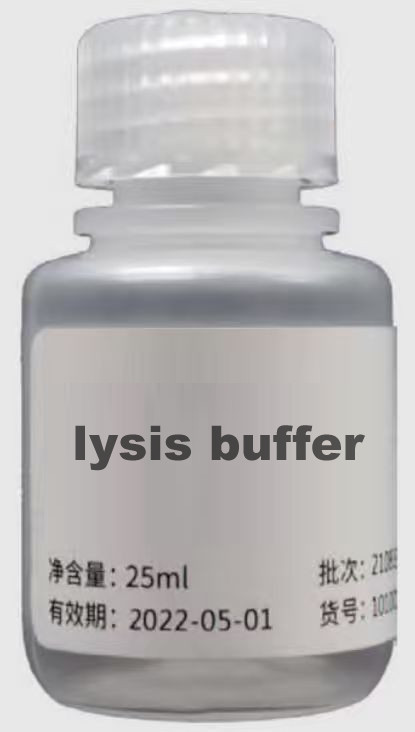
In the world of forensic DNA analysis, the journey to a genetic profile begins long before the sample reaches the sequencing instrument. The initial, critical step is DNA extraction, and at the heart of this process lies the forensic lysis buffer. This specialized chemical solution is designed to break open, or lyse, the tough cellular and nuclear membranes that protect the DNA within a sample. Unlike standard laboratory buffers, a forensic-grade lysis buffer is engineered to handle the unique challenges presented by forensic evidence, which can be old, degraded, or present in minute quantities on complex surfaces.
The composition of a high-quality lysis buffer is a carefully balanced formula. Key components typically include detergents to dissolve lipid membranes, salts to maintain a stable ionic environment, and agents like proteinase K to degrade proteins that bind to DNA. The precise formulation is crucial; it must be aggressive enough to release DNA from difficult samples like bone or teeth, yet gentle enough to preserve the long, intact strands of DNA needed for reliable profiling. The buffer's pH and chemical stability are also paramount to ensure consistent performance across countless casework samples.
Definition and Role in DNA Extraction
Forensic lysis buffer can be defined as the first reagent in the DNA extraction workflow specifically formulated for the demands of forensic evidence processing. Its primary role is to facilitate the liberation of DNA from its biological matrix. This involves more than just breaking cells; it means overcoming inhibitors like humic acids from soil or dyes from fabrics that can co-extract with the DNA and later cripple the polymerase chain reaction (PCR). A well-designed buffer will begin the process of neutralizing these contaminants, setting the stage for a clean and efficient extraction.
Key Components of a High-Quality Lysis Buffer
The efficacy of a lysis buffer hinges on its active ingredients. Surfactants such as SDS (sodium dodecyl sulfate) are workhorses for disrupting membrane integrity. Chelating agents like EDTA play a dual role, binding metal ions that could damage DNA and inhibiting enzymes that might degrade it. The inclusion of a robust protease, often proteinase K, is non-negotiable for forensic samples, as it digests histone proteins and other cellular debris that tightly package DNA. The synergy of these components determines the buffer's ability to maximize DNA yield while minimizing the co-purification of substances that interfere with downstream genetic analysis.
How Forensic Lysis Buffer Works in DNA Analysis
The action of a forensic lysis buffer is a multi-stage biochemical process. When added to a sample—be it a bloodstain, a cheek swab, or a piece of skeletal remains—the buffer immediately begins its work. The detergents penetrate and solubilize the lipid bilayer of cell membranes and the nuclear envelope. Concurrently, the protease enzymes target the protein scaffolding within the nucleus, unraveling the complex structure of chromatin to expose the DNA strands. This controlled disintegration is performed under optimized conditions of temperature and time to ensure complete release without causing excessive shearing of the fragile DNA molecules.
Preserving DNA integrity during this aggressive process is a key challenge. High-quality buffers are buffered to maintain an optimal pH, preventing acid or base hydrolysis that can break DNA strands. The chemical environment is also designed to protect against oxidative damage. Furthermore, the lysis step is where the first line of defense against PCR inhibitors is established. Certain buffer formulations include compounds that bind to or sequester common inhibitors found in forensic substrates, such as tannins from leather or calcium from bone, preventing them from moving forward in the extraction process.
Breaking Down Cell Membranes and Nuclei
The physical breakdown of cellular structures is the most visible role of the lysis buffer. For epithelial cells from touch DNA, this may be relatively straightforward. However, for forensic samples like hair shafts or dental pulp, the structures are significantly tougher. Specialized buffers may include additional chaotropic agents or reducing agents to break the disulfide bonds in keratin or collagen, respectively. This ensures that no potential source of DNA is left inaccessible due to an impenetrable physical barrier, which is critical when dealing with low-copy-number or single-source evidence.
Preserving DNA Integrity During Lysis
While breaking cells open, it is equally important to shield the DNA from the very process releasing it. Nucleases, enzymes that cut DNA, are present within cells and can become active once the cell is lysed. A forensic lysis buffer combats this by including strong chelators to deactivate metal-dependent nucleases and by operating at a pH that denatures these enzymes. The goal is to produce lysate containing long, high-molecular-weight DNA, as this is more amenable to modern forensic typing methods, including those analyzing complex mixtures or degraded samples, than short, fragmented DNA would be.
Compatibility with Downstream Forensic Processes
The work of the lysis buffer does not exist in isolation. Its formulation must be compatible with the subsequent steps in the DNA extraction and purification protocol. For instance, the concentration of detergents and salts must be such that they do not interfere with the binding of DNA to silica membranes in column-based extraction kits or to magnetic beads in automated systems. This seamless integration is a hallmark of a well-designed forensic buffer system, ensuring that the efficiency gained during lysis is not lost during purification, leading directly to more successful DNA profiling results.
Types of Forensic Lysis Buffers for Different Sample Types
Forensic evidence is remarkably diverse, and a one-size-fits-all approach to lysis is often insufficient. Consequently, forensic DNA laboratories utilize a range of lysis buffers, each optimized for specific sample categories. The chemical strategy for dissolving a fresh bloodstain on cotton differs vastly from that required to retrieve DNA from a centuries-old tooth or a hair shaft without a root. This specialization is key to maximizing the chances of obtaining a usable DNA profile from the wide array of materials submitted to a crime lab.
For standard biological fluids like blood and saliva, lysis buffers are designed for efficiency and speed, often forming part of a streamlined extraction kit. These formulations reliably release DNA from nucleated white blood cells or buccal epithelial cells. In contrast, touch DNA samples, which contain few cells, require buffers that maximize cell wall disruption from minimal starting material while being exceptionally clean to avoid introducing background contaminants that could overwhelm the signal from the evidentiary DNA.
Buffers for Challenging Forensic Samples (e.g., Bone, Teeth, Hair)
Calcified and keratinous tissues represent the pinnacle of challenge in forensic DNA extraction. Bone and tooth samples require a lysis buffer with powerful decalcifying agents to dissolve the hydroxyapatite mineral matrix and expose the osteocytes or odontoblasts within. These buffers often involve extended incubation periods, sometimes over 24 hours, and may include a pre-treatment step. For hair, the buffer must be capable of breaking down the resilient keratin cortex, often using a combination of a strong detergent like Sarkosyl and a reducing agent like DTT (dithiothreitol) to access the nuclear DNA in the root or the mitochondrial DNA in the shaft.
Optimized Buffers for Blood, Saliva, and Touch DNA
Blood and saliva samples, while more routine, still benefit from optimized lysis. Buffers for these samples are fine-tuned to quickly lyse cells while inactivating nucleases and beginning the process of separating DNA from hemoglobin or mucins. For the increasingly common touch DNA evidence, the lysis buffer formulation is critical. It must be highly efficient to capture DNA from just a few skin cells, and its composition is meticulously controlled to be free of contaminating human DNA and to minimize the carryover of inhibitors from surfaces like fabric or metal, which can be co-extracted during the lysis step.
Specialized Formulations for Degraded or Inhibitor-Rich Samples
Environmental exposure, age, or the sample's original substrate can lead to degraded DNA or the presence of potent PCR inhibitors. Specialized lysis buffers for these scenarios may include additives designed to protect fragmented DNA ends from further degradation. For inhibitor-rich samples like those from soil, certain dyes, or leather, buffers may contain compounds like PTB (phenol/tris buffer) or specific adsorbents that preferentially bind the inhibitory substances during lysis, effectively removing them from the solution before the DNA purification stage begins.
Key Features of Our Forensic Lysis Buffer Solutions
At Forensic DNA Labs, our lysis buffer formulations are the product of extensive research and validation within the forensic science context. We prioritize a high efficiency lysis action that ensures maximal DNA recovery, even from sub-optimal samples. This is achieved through a proprietary blend of surfactants and enzymes that work synergistically to rapidly and completely disrupt a wide range of cellular and tissue types. Speed is of the essence in many laboratories, and our buffers are designed to reduce incubation times without compromising yield, helping to streamline casework backlogs.
A paramount concern in forensic analysis is the purity of the final DNA extract. Our buffers are engineered to promote low inhibitor carryover. By addressing common inhibitory substances at the initial lysis phase, our formulations prevent these compounds from progressing through the extraction workflow. This results in cleaner eluates that are more compatible with sensitive downstream processes like PCR amplification and capillary electrophoresis, directly contributing to higher success rates in generating complete DNA profiles.
High Efficiency and Rapid Lysis Action
The efficiency of our lysis buffers is quantified through rigorous testing with standard and challenging forensic samples. We measure not just the total DNA yield, but also the integrity of that DNA. Our rapid lysis protocols are validated to show equivalent or superior performance to longer, traditional methods, enabling laboratories to increase throughput. This efficiency is consistent across batch productions, thanks to stringent quality control measures that monitor the activity of every critical component, from protease units to detergent concentration.
Low Inhibitor Carryover for Clean Extractions
Inhibitor carryover is a major cause of PCR failure or partial profiles. Our buffer chemistry is specifically tailored to mitigate this risk. For example, formulations intended for crime scene evidence like fabric swabs include agents that complex with dye molecules. Buffers for bone samples are optimized to chelate calcium ions effectively, preventing them from inhibiting downstream enzymatic reactions. This proactive approach to contamination management at the lysis stage saves time and resources by reducing the need for sample re-extraction or additional purification steps.
Stable Formulation for Consistent Forensic Results
Consistency is the bedrock of reliable forensic science. Our lysis buffers are manufactured to have an extended shelf life and stable performance under recommended storage conditions. Each lot undergoes stability testing to ensure that the enzymatic activity and chemical potency remain within specification over time. This long-term stability provides laboratories with confidence, knowing that a buffer used today will perform identically to one used six months from now, which is crucial for maintaining the integrity of long-term casework and upholding standards in court-admissible evidence processing.
Scalable Options for High-Throughput Forensic Labs
Modern forensic laboratories often operate at a high volume, processing hundreds of samples simultaneously. Our product line includes lysis buffer formulations available in bulk quantities and formats compatible with liquid handling robots and automated extraction platforms. These scalable solutions maintain their performance whether used manually for a single critical sample or dispensed robotically for a 96-well plate, ensuring that labs can scale their operations without changing their validated protocols or compromising on the quality of their DNA extractions.
Benefits of Using Our Forensic Lysis Buffer in Your Lab
Integrating our forensic lysis buffer into your laboratory's workflow delivers tangible benefits that impact both operational efficiency and analytical outcomes. The most direct benefit is an improvement in DNA yield and quality, particularly from low-level or trace evidence. Our optimized formulations ensure that a higher percentage of the available DNA is released from the sample matrix and protected during the initial processing. This directly translates to more robust PCR amplification and higher-confidence DNA profiles, which can be the difference between an investigative lead and a dead end.
Laboratory contamination and cross-reactivity are constant concerns. Our buffers are produced in a controlled, cleanroom environment and are rigorously tested for the absence of contaminating DNA. Furthermore, the chemical specificity of our formulations minimizes the risk of cross-reactivity with non-human DNA or with materials from collection kits, ensuring that the resulting genetic profile is unequivocally derived from the forensic sample itself. This enhances the reliability of your results and strengthens their defensibility.
Improved DNA Yield and Quality from Trace Evidence
For challenging evidence types like touched items or degraded samples, the enhanced yield provided by our buffers is critical. By more effectively breaking open cells and protecting the DNA from degradation during lysis, we help laboratories generate profiles from samples that might otherwise be unproductive. The quality of the DNA—its length and purity—is also preserved, making it suitable for the full spectrum of forensic DNA analysis techniques, including standard STR typing, mitochondrial DNA analysis, and next-generation sequencing applications.
Reduced Contamination Risk and Cross-Reactivity
We understand that forensic results must withstand intense scrutiny. Our manufacturing process includes steps to irradiate or treat buffers to degrade any potential contaminant DNA. Additionally, our formulations are tested to ensure they do not contain human or common animal DNA sequences that could lead to false positives or ambiguous results. This commitment to purity reduces the background noise in your analyses and provides greater confidence in the specificity of your DNA extractions.
Streamlined Workflow Integration with Extraction Kits
Our forensic lysis buffers are designed as core components of a cohesive system. They are fully compatible with our own range of DNA extraction kits, whether based on silica column technology or magnetic bead purification. This compatibility ensures a seamless transition from lysis to binding and washing, optimizing DNA recovery at every step. For laboratories using automated platforms, our buffers are formulated to work flawlessly with common robotic systems, reducing manual intervention and the potential for human error, thereby creating a more efficient and reproducible workflow.
Cost-Effective Solutions for Forensic DNA Laboratories
Beyond performance, we provide cost-effective solutions for forensic laboratories operating under budget constraints. The high efficiency of our buffers can reduce the need for repeat analyses. Their stability reduces waste from expired reagents. Furthermore, our scalable packaging options allow labs to purchase in volumes that match their caseload, optimizing inventory management and reducing per-sample costs. Investing in a reliable lysis buffer ultimately saves resources by increasing first-pass success rates and minimizing costly procedural repeats.
How to Choose the Right Forensic Lysis Buffer
Selecting the appropriate forensic lysis buffer is a strategic decision that hinges on a detailed assessment of your laboratory's typical sample stream. The first and most critical factor is the sample type and its condition. A lab primarily processing reference buccal swabs has different needs than one specializing in historical remains or fire scene evidence. Consider the physical state of the samples—are they fresh, degraded, stained, or embedded in another material? The lysis buffer must be matched to the toughest challenge your regular caseload presents to ensure reliable performance across the board.
The choice of buffer is also dictated by the downstream DNA analysis methods employed in your lab. The final application of the extracted DNA—whether for routine STR profiling, Y-STR analysis, mitochondrial sequencing, or emerging next-generation sequencing panels—can impose specific requirements on the purity and fragment size of the DNA. Some advanced applications are particularly sensitive to residual salts or organics from the lysis step. Therefore, the buffer must not only release DNA but do so in a way that prepares it optimally for the specific analytical technology that follows.
Assessing Sample Type and Condition
Begin by cataloging the most common and most challenging evidence types you encounter. For a mixed caseload, you may need to stock two or three specialized buffers. For instance, a general-purpose buffer for blood and saliva, a specialized buffer for bone and teeth, and perhaps a dedicated formulation for difficult substrates like leather or soil. Evaluate the age and degradation level of samples; older samples may benefit from buffers with enhanced nuclease inhibition and DNA protective agents. This tailored approach ensures that each sample is treated with the most effective chemical tool for the job.
Considering Downstream DNA Analysis Methods
Your analytical endpoint should guide your starting point. If your workflow culminates in capillary electrophoresis for STR analysis, your lysis buffer must produce DNA clean of fluorescent dye inhibitors. For labs moving towards next-generation sequencing (NGS), the buffer formulation should be compatible with library preparation protocols, often requiring DNA that is not only pure but also of sufficient fragment length. Consulting the technical specifications of your downstream analysis kits and instruments will provide clear guidelines on the required input DNA quality, which in turn informs the selection of the lysis chemistry.
Evaluating Buffer Compatibility with Your Lab Equipment
Practical integration into your existing laboratory setup is crucial. Consider the format of the buffer: is it supplied as a ready-to-use solution, a concentrate, or a lyophilized powder? Does its viscosity work with your pipettes and automated liquid handlers? The buffer's chemical composition must also be compatible with the materials of your extraction equipment—it should not degrade plasticware or corrode metal components in robotic systems. A buffer that offers excellent performance in a manual protocol might not be suitable for an automated workstation, so compatibility testing with your specific lab equipment is a vital step in the selection process.
Best Practices for Using Forensic Lysis Buffer
To achieve the consistent, high-quality results that forensic casework demands, adhering to best practices for handling and using lysis buffer is essential. Proper storage begins upon receipt. Most liquid lysis buffers containing active enzymes like proteinase K require storage at -20°C to maintain long-term stability. However, they should be aliquoted to avoid repeated freeze-thaw cycles, which can degrade enzymatic activity. Always follow the manufacturer's specified storage conditions, and clearly label aliquots with the date of preparation and expiration to ensure reagent integrity.
Protocol optimization is not a one-time event. While manufacturers provide standard incubation times and temperatures, these may need adjustment for your specific sample types or laboratory environment. For example, difficult samples like bone may require longer incubation times or slightly higher temperatures for complete lysis. It is critical to validate any deviations from the standard protocol in your own lab using control samples to ensure they improve rather than compromise results. Keeping detailed records of these optimizations contributes to a robust quality assurance program.
Proper Storage and Handling Guidelines
Maintaining the potency of your lysis buffer safeguards your investment and your results. For buffers supplied as concentrates, use nuclease-free water for dilution as specified, and mix thoroughly. Always use sterile, dedicated pipettes and tubes to handle buffers to prevent nuclease contamination. When thawing frozen aliquots, do so on ice or in a refrigerator rather than at room temperature to minimize activity loss. Regular monitoring of buffer performance through the use of positive and negative extraction controls is a best practice that can alert you to any issues with reagent degradation or handling errors before they impact casework samples.
Optimized Incubation Times and Temperatures
The lysis incubation step is where time, temperature, and chemistry intersect. Standard protocols often recommend 56°C for one hour. However, for maximal DNA recovery from tough samples, extending this time or using a stepped temperature protocol (e.g., starting at 37°C then increasing to 56°C) can be beneficial. Vortexing or brief centrifugation of samples during incubation can also improve reagent contact. It is important to balance optimization with throughput needs; an extra two hours of incubation may yield a better profile from a critical sample but is not practical for high-volume reference samples. Tailor the protocol to the sample's priority and difficulty.
Troubleshooting Common Lysis Buffer Issues
Even with high-quality reagents, issues can arise. Low DNA yield often points to incomplete lysis. Troubleshooting steps include verifying the storage conditions and activity date of the proteinase K, ensuring the incubation temperature is accurate, and checking that the sample was fully submerged in buffer. If inhibitor carryover is suspected (leading to PCR inhibition), consider whether the sample type matches the buffer's design or if a pre-wash step is needed before lysis. Persistent problems should be investigated through a systematic process, checking each component of the system from the sample collection method to the buffer lot number, to identify and rectify the root cause.
Our Forensic Lysis Buffer Products and Kits
Forensic DNA Labs offers a comprehensive portfolio of lysis solutions to meet the varied needs of modern forensic laboratories. Our standalone forensic lysis buffer formulations are available for laboratories that prefer to build their own extraction protocols or integrate our chemistry into existing validated methods. These are offered in a range of sizes, from small volumes for research and method development to large bulk containers for high-throughput production labs. Each formulation is clearly labeled with its optimal application, such as "For Touch DNA" or "For Calcified Tissues," to simplify selection.
For laboratories seeking a complete, validated solution, we provide integrated DNA extraction kits where the lysis buffer is a core, optimized component. These kits include all necessary reagents from lysis through to elution, ensuring perfect compatibility and maximum recovery. Our kits are available in formats for manual processing or for use on major automated extraction platforms. By providing a complete system, we remove the guesswork from protocol development and offer a streamlined path to reliable, court-defensible DNA profiles.
Standalone Lysis Buffer Formulations
Our standalone buffers give laboratories flexibility. The "General Forensic Lysis Buffer" is a robust all-rounder for blood, saliva, and swabs. The "Forensic Bone Lysis Buffer" contains enhanced decalcifying agents for skeletal remains. The "Inhibitor-Removal Lysis Buffer" is specially formulated for samples from soil, dyed fabrics, or other challenging substrates. Each product is supported by a detailed protocol sheet and technical data summarizing validation studies on relevant sample types, providing the information needed for laboratory validation and standard operating procedure (SOP) development.
Complete DNA Extraction Kits Including Lysis Buffer
Our extraction kits, such as the "Forensic DNA Pure Kit," are designed as turnkey solutions. The kit includes our proprietary lysis buffer, binding buffers, wash buffers, and purification columns or beads, all quality-controlled to work together seamlessly. The lysis step in these kits is not an afterthought; it is engineered to prepare the sample perfectly for the subsequent binding chemistry. This integration often results in higher overall yields and purer eluates compared to assembling components from different manufacturers, providing a reliable and efficient workflow for casework and database samples alike.
Custom Buffer Solutions for Unique Forensic Applications
We recognize that some laboratories face unique challenges not addressed by off-the-shelf products. Our technical team can collaborate with you to develop custom forensic lysis buffer solutions. This could involve modifying the concentration of specific agents, combining functionalities for a novel sample type, or formulating a buffer for use with a proprietary piece of equipment. This service leverages our deep expertise in forensic biochemistry to help you solve specific extraction problems, supporting innovation and advancement in the field of forensic DNA analysis.
Technical Support and Services for Forensic Lysis Buffer
Our commitment to our clients extends far beyond the point of sale. We provide expert consultation services to assist with protocol optimization in your laboratory. Our support scientists, many with backgrounds in operational forensic labs, can review your current extraction workflow and suggest adjustments to incubation parameters, sample-to-buffer ratios, or pre-treatment steps to enhance performance with your specific evidence types. This collaborative approach ensures you get the maximum benefit from our products within the context of your unique laboratory environment and caseload.
Effective training is key to consistent results. We offer on-site and virtual workshops focused on effective lysis techniques and overall forensic DNA extraction best practices. These sessions cover the science behind the process, hands-on protocol execution, and troubleshooting strategies. For laboratories implementing new kits or automated systems, our training ensures your team is confident and proficient from the start, reducing the learning curve and accelerating the time to reliable casework production.
Expert Consultation for Protocol Optimization
Protocol optimization is not a generic process. Our consultation service begins with an analysis of your laboratory's needs. We may recommend running a validation study comparing different lysis conditions using your typical sample types. Our experts can help you interpret the data—looking at DNA yield, purity metrics (A260/A280 ratios), and downstream PCR success—to identify the optimal protocol for your lab. This data-driven support helps you establish robust, validated procedures that improve efficiency and success rates.
Training and Workshops on Effective Lysis Techniques
Our training programs are designed for forensic professionals at all levels. For analysts new to DNA extraction, we provide foundational courses on the principles of cell lysis and the role of each buffer component. For experienced technicians, we offer advanced workshops on handling complex samples, mitigating contamination, and integrating lysis steps with automated platforms. All training emphasizes the practical skills and theoretical knowledge needed to produce high-quality, reproducible results that meet the stringent standards of the forensic community.
Ongoing Support for Forensic Laboratory Workflows
We provide continuous support for your entire laboratory workflow. This includes access to our technical support team for day-to-day questions, regular updates on product improvements or new formulations, and notifications about relevant forensic science publications or best practice guidelines. We view our relationship as a partnership, dedicated to supporting your laboratory's mission of providing accurate and timely DNA analysis for the justice system. Our goal is to be a reliable resource throughout your use of our forensic lysis buffers and other solutions.
FAQs About Forensic Lysis Buffer
Forensic professionals often have specific questions about the reagents that form the foundation of their work. Here, we address some of the most common inquiries regarding forensic lysis buffers to provide clarity and support informed decision-making in the laboratory.
What Makes Forensic Lysis Buffer Different from Standard Buffers?
Forensic lysis buffers are distinct in their formulation and validation. While a standard molecular biology buffer may be designed for cultured cells or fresh tissue, a forensic buffer is engineered for robustness. It must effectively lyse a wider variety of cell types (from fresh leukocytes to dried epithelial cells to osteocytes) and do so from samples that are often old, environmentally exposed, or contaminated. Furthermore, forensic buffers are validated to be free of human DNA contamination and are tested for compatibility with downstream forensic DNA typing systems, a level of specificity not always required in research settings.
Can I Use the Same Buffer for All Forensic Sample Types?
While a general-purpose forensic lysis buffer can handle many common sample types like bloodstains and buccal swabs effectively, it is not optimal for all forensic evidence. Using a single buffer for extremely challenging samples like bone, teeth, or heavily inhibited materials will likely result in suboptimal DNA recovery or purity. For the highest success rates across a diverse caseload, laboratories are advised to employ specialized buffers matched to their most difficult sample categories. This targeted approach maximizes the chance of obtaining a usable DNA profile from every piece of evidence.
How Does Lysis Buffer Impact DNA Profiling Success Rates?
The lysis buffer directly and profoundly impacts profiling success. An inefficient buffer leaves DNA trapped in the sample, resulting in low yield and potential failure to detect minor contributors in a mixture. A buffer that fails to inactivate nucleases or protect against inhibitors leads to degraded DNA or PCR inhibition, causing partial or blank profiles. Conversely, a high-quality, well-matched forensic lysis buffer maximizes the release of intact, amplifiable DNA while minimizing co-purified contaminants. This strong foundation is the single most important factor in generating a complete, reliable DNA profile suitable for database entry or courtroom presentation.
What Are the Storage Requirements for Forensic Lysis Buffer?
Storage requirements vary by formulation but are critical to maintain performance. Most liquid buffers containing active enzymes require storage at -20°C. Aliquoting upon arrival is recommended to avoid repeated freeze-thaw cycles. Some ready-to-use buffers without enzymes may be stable at 4°C or even room temperature for a limited time. Concentrated stocks or lyophilized powders often have different storage instructions. It is imperative to consult the specific product datasheet and certificate of analysis for each buffer lot, as storage conditions are validated during stability testing and are essential for guaranteeing the reagent's specified performance throughout its shelf life.
Why Choose Forensic DNA Labs for Your Lysis Buffer Needs?
Selecting a supplier for critical forensic reagents is a decision that affects the core output of your laboratory. Forensic DNA Labs stands apart due to our singular focus on the forensic science community. Our products are not adaptations from clinical or research markets; they are conceived, developed, and validated specifically for the unique demands of forensic DNA analysis. This dedicated focus ensures that every formulation, from our general lysis buffers to our most specialized kits, is fine-tuned to deliver the reliability, sensitivity, and purity required for casework and database applications.
Our commitment to quality is unwavering. We operate under a rigorous quality management system, and our manufacturing processes adhere to the highest standards. Our forensic lysis buffers are produced in a controlled environment and undergo extensive lot-to-lot testing for performance, absence of DNA contamination, and stability. We understand that your results must withstand legal scrutiny, and we provide the documentation and traceability to support that. When you use our products, you are using reagents built on a foundation of forensic integrity and scientific excellence.
Industry-Leading Expertise in Forensic DNA Solutions
Our team comprises scientists and consultants with direct experience in operational forensic DNA laboratories. This firsthand understanding of the challenges—from processing degraded crime scene evidence to managing high-throughput database samples—informs every product we develop. We don't just sell chemicals; we provide forensic DNA solutions. This expertise is available to you through our technical support and consultation services, making us a true partner in your laboratory's success, dedicated to helping you overcome analytical challenges and improve your overall capabilities.
Commitment to Quality and Forensic Standards
Quality for us means more than just meeting a specification sheet. It means ensuring our products consistently perform in the complex, real-world environment of a forensic lab. We actively engage with standard-setting bodies and follow evolving best practices in the field. Our products are designed to help laboratories comply with international quality standards such as those from the ISO 17025 framework or the FBI's Quality Assurance Standards. By choosing Forensic DNA Labs, you align your laboratory with a supplier whose priorities match your own: uncompromising quality, scientific validity, and the pursuit of justice through reliable science.
Comprehensive Support for Your Entire Laboratory Setup
We view our role as supporting your entire forensic DNA laboratory ecosystem. Beyond lysis buffers, we offer a full spectrum of equipment, reagents, and consumables needed to build and run a modern lab. From thermal cyclers and genetic analyzers to extraction kits and PCR master mixes, we can provide integrated solutions. Our support extends to laboratory design consultation, workflow optimization, and ongoing technical service. This holistic approach simplifies your procurement process, ensures compatibility between components, and provides a single point of contact for support, allowing you to focus on what matters most: producing accurate and timely DNA analysis results.
Get a Quote
Contact our sales staff, tell us your needs, and we will provide you with the most suitable solution.
Contact Now