Overview: Precision for Complex Forensic Mixtures
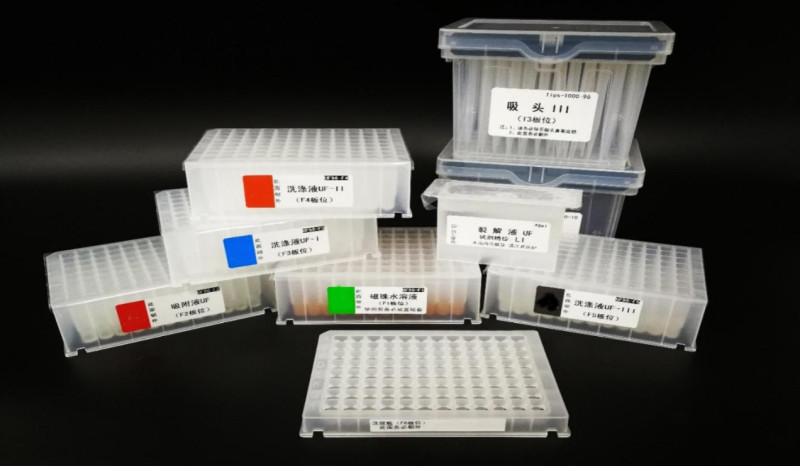
In forensic DNA analysis, one of the most significant challenges is the presence of mixed biological samples. These mixtures, often containing DNA from multiple individuals, can complicate the genetic profiling process. The Automated 96-Channel Mixed Stain Male Kit is engineered specifically to address this complexity, providing a targeted solution for high-volume laboratories. By focusing on male DNA detection within these mixtures, the kit streamlines a critical step in forensic casework, enabling analysts to derive clearer, more actionable data from evidence that might otherwise be difficult to interpret.
What is the Automated 96-Channel Mixed Stain Male Kit?
This kit represents a specialized reagent system designed for the simultaneous processing of up to 96 samples. Its core function is the selective amplification of male DNA, which is achieved through primers targeting regions on the Y chromosome. This focus is crucial for cases involving sexual assault evidence or any scenario where isolating the male contributor's genetic profile from a mixture containing female DNA is paramount. The "automated 96-channel" designation highlights its compatibility with modern liquid handling robotics, allowing forensic DNA laboratories to scale their operations and maintain consistent, high-quality results across a large batch of samples.
Key Applications in Forensic Casework
The primary application of this kit is in the analysis of sexual assault kits (SAKs), where it is vital to separate the perpetrator's male DNA profile from the victim's genetic material. Beyond this, it is equally valuable for analyzing touch DNA evidence from crimes where multiple individuals may have handled an object, or in missing persons investigations involving degraded remains that may be commingled. The ability to generate a clean male DNA profile from a complex mixture directly supports the upload of genetic data to crucial systems like the Combined DNA Index System (CODIS), aiding in suspect identification and case resolution.
Technical Specifications and Kit Components
The reliability of any forensic DNA analysis kit hinges on the quality and consistency of its components. This kit is formulated with a balanced primer mix, a robust master mix, and compatible standards to ensure every amplification reaction meets the stringent requirements of forensic validation.
Optimized Primer Mix for Male DNA Detection
The primer mix within the kit contains short sequences of DNA that are designed to bind specifically to target loci on the Y chromosome. These Y-STR markers are the cornerstone of male DNA profiling. The optimization process ensures that these primers work efficiently together, minimizing the chance of preferential amplification of one marker over another, which is essential for generating a balanced and complete genetic profile suitable for database comparison.
Master Mix Formulation for Robust PCR Amplification
The master mix is the engine of the polymerase chain reaction (PCR). It contains the heat-stable DNA polymerase enzyme, nucleotides, and salts necessary to copy the targeted DNA regions millions of times. The formulation in this kit is enhanced for forensic samples, often containing inhibitors or being degraded. This robustness helps ensure successful amplification even from low-quantity or compromised DNA templates, increasing the likelihood of obtaining a usable DNA profile from challenging evidence.
Compatible Internal Lane Standards and Buffer Systems
Accurate analysis on a genetic analyzer requires precise sizing of the amplified DNA fragments. The kit includes or is compatible with specified internal lane standards (ILS), which are fluorescently-labeled DNA fragments of known sizes that run alongside the sample fragments. This allows the instrument's software to accurately determine the size of each amplified Y-STR allele. The accompanying buffer systems are formulated to maintain stable pH and ionic strength, ensuring consistent electrophoretic mobility and peak morphology for reliable data interpretation.
Workflow Integration and Automation Benefits
Integrating a new reagent into an existing laboratory workflow can be a hurdle. This kit is designed from the ground up to fit seamlessly into automated forensic DNA processing pipelines, transforming manual, time-consuming steps into efficient, standardized operations.
Seamless Integration with Liquid Handling Platforms
The kit's reagents are supplied in formats readily accessible by common liquid handling robots. This compatibility allows forensic DNA laboratories to automate the plate setup process, from aliquoting the master mix and primer cocktail to adding the extracted DNA sample. This integration minimizes manual pipetting errors and ensures each reaction well receives precisely the same volume of each component, which is fundamental for achieving reproducible results across a 96-well plate.
Reducing Hands-On Time and Contamination Risk
Every time a tube is opened or a manual pipetting step is performed, there is a potential risk of sample contamination or technician error. By enabling full automation of the PCR setup, the kit dramatically reduces hands-on time. This not only increases laboratory throughput but also enhances the integrity of the forensic DNA analysis process. Closed-tube systems on automated platforms further safeguard against airborne contaminants, protecting the evidentiary value of each sample.
Standardized Protocols for Laboratory Efficiency
The kit is supported by detailed, validated protocols that outline the optimal cycling conditions for the thermal cycler and the settings for the genetic analyzer. These standardized procedures ensure that different analysts or different forensic DNA laboratories using the same kit can achieve comparable results. This standardization is critical for maintaining quality assurance and for the peer review of forensic data, as it demonstrates that the analytical process followed accepted scientific methods.
Performance and Validation Data
Before implementation, any forensic tool must undergo rigorous validation to demonstrate its reliability under forensically relevant conditions. The performance metrics for this kit are established through extensive testing, providing laboratories with the confidence needed for casework application.
Sensitivity and Specificity in Male DNA Profiling
Sensitivity testing determines the minimum amount of male DNA required to generate a full, reliable profile. Validation data for this kit typically shows successful profiling from sub-nanogram quantities of DNA. Specificity testing confirms that the primer mix does not amplify female DNA, ensuring that the resulting profile is unequivocally from a male contributor. This high degree of specificity is what makes the kit so powerful for analyzing mixtures containing both male and female genetic material.
Performance with Challenging and Degraded Samples
Forensic evidence is rarely pristine. Samples may be exposed to environmental factors like heat, humidity, or sunlight, which can break DNA strands into smaller fragments. Validation studies assess the kit's performance with artificially degraded DNA and samples containing common inhibitors found at crime scenes, such as humic acid or hematin. The robust master mix formulation is key to overcoming these challenges, allowing for the amplification of shorter DNA fragments and providing a better chance of obtaining a profile from compromised evidence.
Reproducibility Across Multiple Forensic DNA Laboratories
A critical measure of a kit's reliability is inter-laboratory reproducibility. Validation often involves a collaborative study where multiple independent forensic DNA laboratories test the same set of reference and mock casework samples. Consistent results across all participating labs demonstrate that the kit performs reliably in different hands and with different instrumentation. This reproducibility is a cornerstone of the kit's credibility and a requirement for its adoption in the forensic community.
Why Choose Our Forensic DNA Analysis Kit?
Selecting reagents for a forensic DNA laboratory involves considering more than just the product in the box. It involves evaluating the support, the intended use, and the long-term reliability it brings to a critical public safety function.
Designed for High-Throughput Forensic DNA Laboratories
The 96-well format and automation compatibility are not incidental features; they are central to the kit's design philosophy. It addresses the growing need for laboratories to process backlogs of sexual assault kits and other evidence efficiently without sacrificing quality. By enabling parallel processing of nearly a hundred samples, it turns a serial, bottlenecked process into a parallel, streamlined workflow, maximizing the laboratory's capacity to deliver justice.
Supporting CODIS and International DNA Databases
The Y-STR markers amplified by this kit are selected for their inclusion in national and international DNA databases. The genetic profile generated is directly compatible with upload parameters for CODIS and similar systems used in Europe and other regions. This global compatibility ensures that a profile developed in one jurisdiction can be compared against offender databases worldwide, significantly expanding the potential for solving cold cases and identifying serial offenders.
Comprehensive Technical Support and Validation Guides
Our commitment extends beyond the sale. We provide extensive technical documentation, including detailed validation guides that laboratories can use to conduct their in-house verification studies. Access to a team of forensic DNA specialists is available to troubleshoot protocol optimization or discuss complex sample types. This level of support ensures that your laboratory can implement the kit successfully and with confidence, knowing expert advice is just a call or email away.
Ordering and Support for Your Lab
We understand that every forensic DNA laboratory has unique operational needs and case volumes. Our ordering and support structure is designed to provide flexibility and ensure you have the resources needed for successful implementation.
Customizable Kits and Bulk Ordering Options
While the standard kit is configured for a full 96-reaction plate, we offer flexibility. Laboratories with different throughput needs can inquire about customizable configurations. For high-volume users, bulk ordering options are available, providing cost-effectiveness and ensuring a consistent supply of reagents to maintain uninterrupted workflow in your forensic DNA laboratory.
Access to Detailed Protocols and Application Notes
Upon purchase, your laboratory gains access to a secure online portal containing the most current version of the user manual, step-by-step protocols for automated and manual setup, and specialized application notes. These notes may cover advanced topics such as optimizing analysis for extremely low-level DNA or interpreting complex mixture data, serving as a continuous resource for your analytical team.
Contact Our Forensic DNA Specialists Today
If you are evaluating new solutions for mixture analysis or looking to modernize your laboratory's throughput capabilities, our team is ready to assist. We can provide sample validation data, discuss integration with your specific liquid handling platform, or arrange a detailed product presentation. Reach out to our forensic DNA specialists to learn how the Automated 96-Channel Mixed Stain Male Kit can enhance the efficiency and reliability of your critical work.
Get a Quote
Contact our sales staff, tell us your needs, and we will provide you with the most suitable solution.
Contact Now