What is the Manual Silica Bead Bone Rapid Kit?
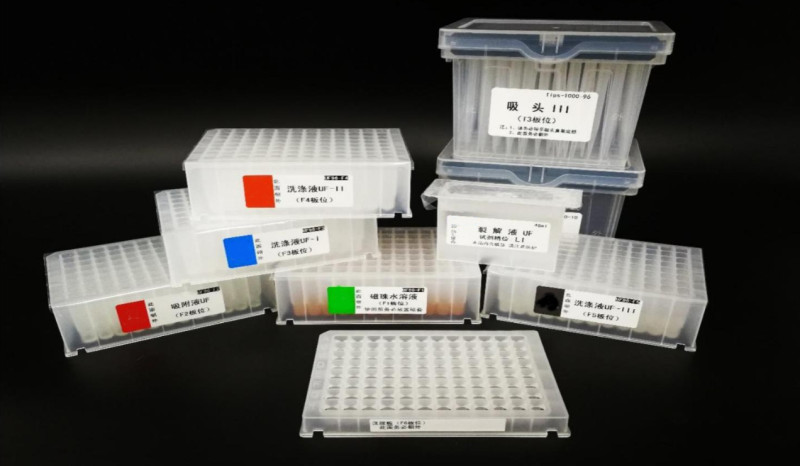
In forensic DNA analysis, obtaining a clean genetic profile from challenging biological evidence is paramount. The Manual Silica Bead Bone Rapid Kit is a specialized laboratory reagent system designed for this exact purpose. It provides forensic scientists with a reliable, hands-on method to isolate DNA from the most difficult substrates, such as bone fragments and teeth, which are often encountered in cold cases or mass disaster scenarios. This kit represents a cornerstone technology for any laboratory focused on human identification from compromised remains.
Core Technology: Silica Bead Binding for Superior DNA Yield
The efficacy of this extraction kit hinges on a well-established biochemical principle: the selective binding of nucleic acids to a silica membrane or, in this case, silica beads in a spin column format. During the protocol, the chemical lysis of the bone powder releases DNA into solution. Under specific high-salt buffer conditions, the DNA molecules bind tightly to the surface of the microscopic silica beads. This binding is highly selective. Impurities, such as proteins, cellular debris, and potent PCR inhibitors common in bone like humic acids or calcium ions, are efficiently washed away in subsequent steps. The final elution buffer then releases the purified, inhibitor-free DNA, ready for downstream genetic analysis. This silica-based purification is renowned for delivering high molecular weight DNA, which is critical for successful Short Tandem Repeat (STR) amplification.
Designed Specifically for Bone, Tooth, and Calcified Tissue Samples
Not all DNA extraction methods are created equal, especially when dealing with calcified tissues. Standard protocols for soft tissue or blood often fail with bone due to its unique composition. This kit features a robust digestion buffer containing potent proteinase K, engineered to break down the dense mineralized collagen matrix of bone and tooth samples. This initial digestion step is crucial for liberating DNA that may be trapped within the hydroxyapatite crystals. The reagents are further optimized to handle the high levels of calcium and other inhibitors released during this process, ensuring that the subsequent silica bead binding phase is not compromised. This targeted design makes it an indispensable tool for forensic anthropology and archaeology, where sample integrity is often low.
Manual Protocol for Maximum Control and Flexibility in the Forensic Lab
While automated liquid handling systems offer high throughput, a manual extraction protocol provides unparalleled control for complex samples. This kit is designed for manual processing, allowing the forensic analyst to make critical adjustments. For instance, the digestion time or temperature can be extended for highly degraded or ancient bones without being constrained by a robotic program's parameters. The ability to visually inspect the sample at each centrifugation step and to handle samples individually is vital when processing evidentiary items of varying quality and size. This flexibility ensures that each precious sample receives the tailored approach necessary to maximize the potential for a viable DNA profile, making it a preferred choice for casework involving singular, high-value specimens.
Key Features and Benefits of Our Bone DNA Extraction Kit
Selecting the right DNA extraction methodology directly impacts the success rate of forensic casework. Our Manual Silica Bead Bone Rapid Kit is engineered with features that address the specific pain points of forensic DNA laboratories working with hard tissues. The benefits extend from the bench to the final DNA report, streamlining workflows and enhancing the reliability of results submitted for judicial review.
Rapid Processing Time to Accelerate Your Forensic Casework
Time is frequently of the essence in forensic investigations. This kit streamlines the DNA extraction process from bone into a matter of hours, significantly faster than many traditional organic extraction methods. The optimized protocol reduces lengthy incubation and precipitation steps. A faster turnaround time from sample receipt to genetic profile generation can be critical in missing persons investigations or active criminal cases, allowing investigators to act on intelligence more swiftly. This efficiency does not come at the cost of quality, as the rapid process is designed to maintain high DNA integrity throughout.
High Purity DNA Ideal for STR Analysis and NGS Workflows
The ultimate goal of forensic DNA extraction is to obtain a template pure enough for sensitive downstream applications. The DNA eluted from this kit is of exceptionally high purity, with optimal A260/A280 and A260/A230 ratios. This purity is essential for the polymerase chain reaction (PCR), the next step in the workflow. Clean DNA ensures efficient primer binding and amplification, leading to robust, balanced STR profiles with minimal allelic dropout or peak height imbalance. Furthermore, the high-quality, inhibitor-free output is also perfectly suited for more advanced techniques like Next-Generation Sequencing (NGS), which is increasingly used for forensic genetic genealogy and phenotypic marker analysis.
Effective Inhibition Removal for Reliable Downstream PCR Amplification
Bone and soil-buried remains are notorious for containing substances that inhibit the PCR process. These inhibitors can bind to the DNA polymerase enzyme, effectively shutting down the amplification reaction and leading to a complete failure to generate a profile. The wash buffers in this silica bead kit are formulated to remove a broad spectrum of these common forensic inhibitors. By effectively stripping away contaminants like humic substances, melanin, and calcium salts during the column wash steps, the kit dramatically increases the likelihood of successful PCR amplification. This reliability is fundamental for generating reproducible results that can withstand legal scrutiny in court.
Cost-Effective Solution for Forensic DNA Laboratories
Budgetary constraints are a reality for many forensic service providers. This manual kit offers a highly cost-effective pathway to premium results. By forgoing the capital investment and maintenance costs associated with automated platforms, laboratories can allocate resources elsewhere. The kit's components are efficiently designed to minimize reagent waste, and its reliable performance reduces the need for costly re-extractions of failed samples. For laboratories processing a variable number of bone samples, from a single case to several per month, this manual solution provides an excellent balance of performance, control, and fiscal responsibility.
Optimized Protocol for Forensic DNA Extraction from Bone
A consistent and well-optimized protocol is the backbone of reliable forensic science. The procedure accompanying our kit is the result of extensive validation studies, designed to guide the user from sample preparation to purified DNA elution with precision. Adherence to this protocol ensures that the superior design of the reagents translates into successful outcomes in your laboratory, maintaining the chain of custody and scientific integrity of the process.
Step-by-Step Guide: From Sample Decalcification to Elution
The protocol begins with the careful preparation of bone powder, often achieved using a sterile milling device. A measured aliquot of this powder is then subjected to a prolonged digestion in a specialized buffer containing proteinase K. This step is critical for demineralizing the bone and breaking down proteins to release nucleic acids. Following complete digestion, the lysate is loaded onto the silica bead spin column. Centrifugation binds the DNA to the column matrix. A series of wash buffers, each with a specific ionic strength and alcohol content, are then passed through the column to remove salts, proteins, and inhibitors. A final centrifugation step removes residual ethanol. The pure DNA is then eluted in a low-salt buffer or molecular-grade water, ready for quantification and analysis.
Tips for Maximizing DNA Recovery from Degraded or Ancient Bone Samples
Historical or heavily degraded samples require extra consideration. For such materials, increasing the initial digestion time, sometimes up to 24-48 hours with fresh proteinase K supplementation, can significantly improve DNA yield. Using a smaller elution volume (e.g., 50 µL instead of 100 µL) will concentrate the final DNA extract, which is beneficial when working with trace amounts of genetic material. Furthermore, pre-treating bone powder with a mild EDTA wash before digestion can help chelate excess calcium ions that may interfere with the silica binding chemistry. These protocol adjustments, supported by our technical team, allow laboratories to push the boundaries of recovery from the most challenging evidentiary materials.
Compatible Reagents and Required Laboratory Equipment
The manual kit is designed to integrate seamlessly into a standard forensic DNA laboratory. Essential equipment includes a reliable microcentrifuge, a thermomixer or water bath for controlled incubation during digestion, and calibrated micropipettes. The kit's lysis and wash buffers are compatible with standard laboratory plasticware. For the initial bone processing, a dedicated freezer mill or a sterile dental drill is recommended to generate a fine, homogeneous powder without introducing exogenous DNA contamination or excessive heat that could further degrade the target DNA. This compatibility ensures that laboratories can implement the kit without needing to overhaul their existing infrastructure.
Applications in Forensic DNA Analysis and Human Identification
The ability to extract DNA from bone has revolutionized several fields dedicated to human identification. This kit serves as a critical enabling technology across diverse applications, from solving contemporary crimes to unraveling historical mysteries. Its reliability makes it a trusted choice for agencies and institutions tasked with providing answers where traditional identification methods have failed.
Critical for Missing Persons Cases and Mass Disaster Victim Identification
In missing persons investigations and the aftermath of mass disasters such as plane crashes or natural catastrophes, remains are often fragmented, burned, or skeletonized. Bone and teeth are frequently the only biological materials available for analysis. The DNA extracted using this kit provides the genetic data necessary for comparison against family reference samples in databases. This process, known as kinship analysis, is the most definitive method for identifying victims and providing closure to families. The kit's robustness with compromised samples makes it a mainstay in the protocols of disaster victim identification (DVI) teams worldwide.
Supporting Historical and Anthropological DNA Research
Beyond modern forensics, this extraction technology is a gateway to the past. Archaeologists and anthropologists use it to recover ancient DNA (aDNA) from skeletal remains to study human migration patterns, population genetics, and historical diseases. The kit's effective inhibitor removal is particularly valuable for samples recovered from burial environments, which are often contaminated with soil-derived inhibitors. By yielding authentic, endogenous aDNA with minimal modern contamination, it supports rigorous scientific research that contributes to our understanding of human history and evolution.
Essential Kit for Forensic Anthropology and Medico-Legal Laboratories
Forensic anthropology laboratories, which specialize in the analysis of human skeletal remains, rely on DNA analysis to confirm biological profiles (like sex and ancestry) estimated from osteology and to establish positive identification. This kit is an essential component of their analytical toolkit. Similarly, medico-legal or coroner's offices use it to identify unknown decedents when fingerprints or dental records are unavailable. The consistent performance of the silica bead-based purification ensures that the DNA evidence generated meets the high standards required for testimony in legal proceedings.
Why Choose Our Forensic-Grade Silica Bead Kit?
In a field where results must be defensible in court, the provenance and performance of every reagent matter. Our Manual Silica Bead Bone Rapid Kit is not just a collection of chemicals; it is a validated forensic solution backed by a commitment to quality and scientific support. We understand the critical nature of your work and provide the tools and expertise to support it.
Consistent Performance Validated for Forensic Use
Every batch of our kit undergoes rigorous quality control testing to ensure lot-to-lot consistency. More importantly, the entire system has been validated following forensic guidelines, such as those suggested by the Scientific Working Group on DNA Analysis Methods (SWGDAM). This means its performance characteristics—including sensitivity, inhibitor tolerance, and reproducibility—have been thoroughly documented under controlled conditions.
Part of a Complete Forensic DNA Laboratory Solution
We recognize that DNA extraction is one link in a longer chain. This bone extraction kit is designed to be interoperable with other core forensic products. The purified DNA is ideally suited for use with our recommended DNA quantification kits, PCR amplification master mixes, and capillary electrophoresis reagents. By offering compatible components across the workflow, we help laboratories create a streamlined, optimized process from sample to profile, reducing variables and potential complications at each stage of analysis.
Backed by Expert Technical Support and Validation Support
Our commitment extends beyond the sale. Our technical support team consists of scientists with direct experience in forensic DNA analysis. They are available to assist with protocol optimization, troubleshooting, and answering technical questions about the kit's chemistry. Furthermore, we provide comprehensive validation support packages, including suggested experimental designs and data analysis templates, to help your laboratory efficiently implement and validate the kit for your specific casework or research applications. This partnership approach ensures you can deploy the technology with confidence.
Get a Quote
Contact our sales staff, tell us your needs, and we will provide you with the most suitable solution.
Contact Now