Introduction to High-Throughput Forensic DNA Extraction
The landscape of forensic science is increasingly defined by volume and speed. Modern forensic DNA laboratories face a constant influx of evidence, from routine casework to large-scale incidents. At the heart of processing this evidence lies the critical step of DNA extraction, where genetic material is isolated from complex biological samples. The efficiency and reliability of this process directly impact a laboratory's capacity to deliver timely and accurate results. For laboratories aiming to scale their operations and manage demanding workloads, transitioning to advanced, automated methodologies is not just an upgrade—it's a strategic necessity for maintaining pace with judicial and investigative demands.
Historically, manual or semi-automated extraction methods served as the backbone of forensic biology. However, these processes are inherently limited by throughput and are susceptible to human error and variability. The move towards full laboratory automation represents a paradigm shift. By implementing a 96-channel extractor system, laboratories can fundamentally overcome these procedural bottlenecks. This technology allows for the simultaneous processing of up to 96 individual samples in a single run, transforming a once tedious and time-consuming task into a streamlined, high-capacity operation. This leap in processing power is essential for laboratories focused on backlog reduction and improving overall workflow efficiency.
The Critical Role of Automated Extraction in Modern Forensic Casework
In contemporary forensic casework, the integrity of the DNA profile is paramount. Every piece of evidence, whether a single hair follicle or a complex mixture from a touch sample, requires meticulous handling to preserve its evidentiary value. Automated 96-channel extraction systems play a critical role by standardizing this delicate process. The precision of robotic liquid handling ensures that each sample receives an identical treatment, significantly enhancing the reproducibility of results across different batches and even different analysts. This level of consistency is a cornerstone of quality assurance, providing confidence that the DNA profile generated is a true and reliable representation of the original biological material submitted to the laboratory.
Furthermore, the demands of modern case types, such as processing sexual assault kits or degraded samples from historical cases, require robust and sensitive extraction chemistry. An automated platform designed for forensic applications integrates seamlessly with these specialized chemistries. The system's ability to handle variable input amounts and challenging sample matrices—like fabric swabs or bone extracts—without cross-contamination is a direct contributor to case-solving potential. By ensuring maximum DNA yield and purity from even the most compromised samples, these automated workstations empower analysts to generate data that can withstand rigorous scientific and legal scrutiny.
Overcoming Bottlenecks: From Manual Processing to 96-Channel Automation
The journey from manual pipetting to high-throughput automation is a journey toward liberation of human resources and minimization of risk. Manual DNA extraction is a repetitive, hands-intensive process that limits a scientist's capacity to engage in higher-level analytical tasks. It also introduces opportunities for repetitive strain injuries and procedural inconsistencies. A 96-channel automated extraction system directly addresses these issues by taking over the precise, volumetric liquid transfers. This dramatically reduces hands-on time, allowing forensic technicians and DNA analysts to reallocate their expertise to data interpretation, report writing, and other complex analytical duties that require human judgment.
Beyond personnel efficiency, automation tackles one of the most persistent challenges in forensic biology: contamination control. Manual sample handling increases the risk of introducing foreign DNA or cross-contaminating between samples. A closed, automated system, especially one utilizing disposable tip racks or effective wash protocols, creates a physical barrier between the samples and the operator. This engineered containment is a powerful tool for maintaining the pristine conditions required in a forensic DNA laboratory. By systematically reducing these bottlenecks—throughput, personnel time, and contamination risk—the laboratory fundamentally enhances its operational reliability and evidentiary standards.
Key Features and Technical Specifications of Our 96-Channel System
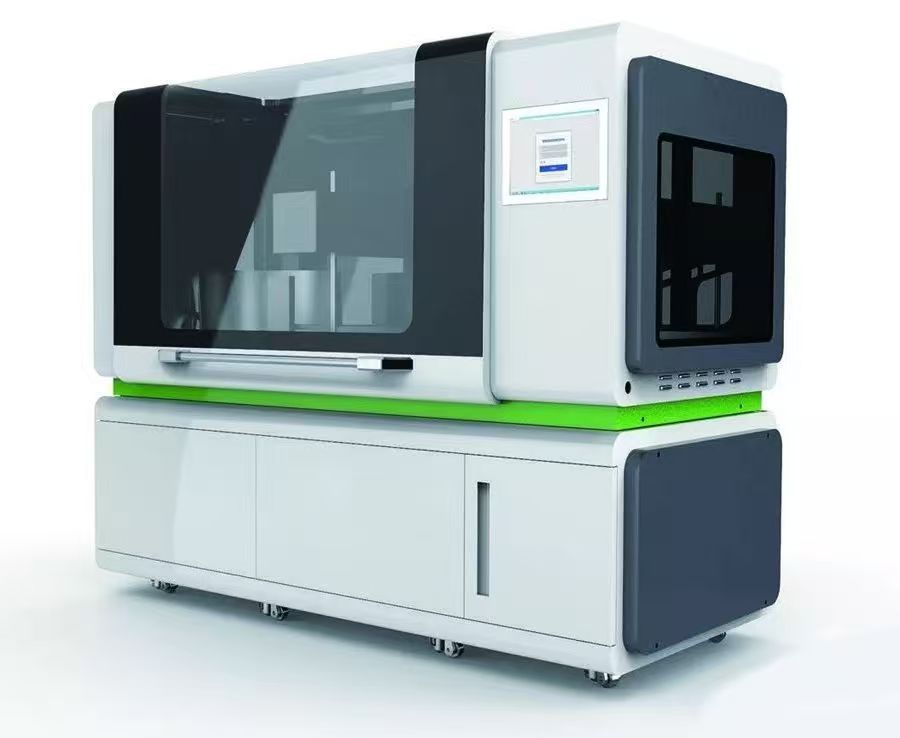
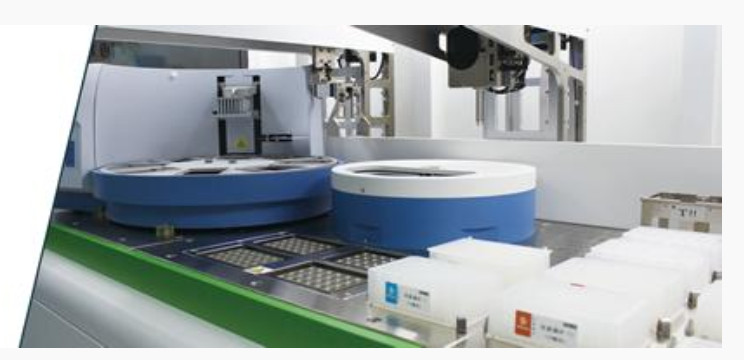
Selecting an automated extraction platform requires a careful evaluation of its core engineering and how its specifications align with forensic requirements. Our 96-channel system is engineered from the ground up to meet the exacting standards of forensic DNA analysis. It combines robust mechanical reliability with intelligent software to create a workhorse for the high-throughput laboratory. Key specifications include a defined deck layout that accommodates deep-well plates and various reagent reservoirs, a high-accuracy liquid handling arm, and a user interface designed for protocol management without requiring advanced programming skills. These physical attributes are the foundation upon which forensic-grade performance is built.
The system's technical design emphasizes flexibility and integration. It is built to accommodate the specific plate formats and labware commonly used in forensic workflows. Furthermore, its software architecture is designed with connectivity in mind, featuring capabilities for seamless integration with Laboratory Information Management Systems (LIMS). This connectivity allows for direct sample tracking, electronic chain of custody, and automated data logging, which are indispensable for maintaining accreditation standards such as ISO/IEC 17025. The combination of physical precision and digital intelligence makes the platform not just an instrument, but a central node in a modernized laboratory informatics ecosystem.
Precision and Reproducibility for Demanding Forensic Samples
The value of a forensic sample is often irreplaceable, making first-pass success in DNA extraction imperative. The precision of our 96-channel system is manifested in its sub-microliter liquid handling accuracy. This is crucial when working with precious or low-yield samples, as it ensures that every possible nanogram of DNA is captured and carried through the purification process. The robotic systems employ advanced liquid level detection and calibrated movements to ensure that volumes are dispensed and aspirated with consistency, run after run. This mechanical reproducibility translates directly into analytical reproducibility, meaning DNA quantitation results and subsequent STR profiles show minimal run-to-run variation, strengthening the statistical weight of the evidence.
This precision is rigorously tested with forensic-specific sample types. Validation protocols for the system include challenging matrices such as blood stains on fabric, buccal swabs, and inhibited samples commonly encountered in casework. The system's performance is measured not just by DNA yield, but also by the purity of the final eluate, as indicated by absorbance ratios. A high-purity extract is essential for downstream processes like PCR amplification, where inhibitors can cause partial or complete amplification failure. By delivering consistently pure DNA, the automated extractor ensures that the valuable instrument time and reagents used in later stages of the DNA analysis pipeline are not wasted on compromised samples.
Flexible Protocol Management for Diverse Sample Types
A one-size-fits-all approach is ineffective in forensic DNA analysis. Different sample types demand tailored extraction protocols to optimize recovery. Our 96-channel system's software features flexible protocol management, allowing laboratory supervisors to create, save, and modify extraction methods for distinct sample categories. For instance, a protocol for porous surface swabs may include pre-incubation and different wash steps compared to a protocol designed for non-porous evidence items. Similarly, the extraction of DNA from skeletal remains or teeth, a common task in missing persons and disaster victim identification work, requires specialized digestion and purification parameters that can be precisely configured and automated.
This flexibility extends to processing throughput as well. The system can be configured to run a full 96-sample plate for high-volume database samples, or it can efficiently process a partial plate for urgent casework evidence without wasting reagents. The ability to queue multiple protocols or to interrupt a run for priority samples (in systems designed for such functionality) adds a layer of operational agility. This means a single automated platform can service the diverse needs of a forensic laboratory—from the high-volume, routine processing of arrestee samples for DNA database entry to the sensitive, focused extraction of DNA from a single, critical piece of crime scene evidence.
Integration Capabilities with Laboratory Information Management Systems (LIMS)
In a modern accredited laboratory, data integrity and traceability are non-negotiable. The integration of analytical instruments with a Laboratory Information Management System (LIMS) is a key component of a robust quality management system. Our 96-channel extractor is designed with this integration in mind. It can communicate bidirectionally with a laboratory's LIMS, allowing for the electronic transfer of sample worklists. This eliminates manual data entry errors at the point of sample loading. As the extraction run proceeds, the system can log key process data—such as start/end times, reagent lot numbers, and any operational flags—directly back to the sample's electronic record in the LIMS.
This seamless integration creates a digital thread for the chain of custody. From the moment a sample plate is placed on the deck, its journey through the extraction process is electronically documented. This automated audit trail is invaluable during internal audits or assessments for accreditation against standards like ISO 17025 or the FBI's Quality Assurance Standards. It provides unambiguous evidence that the validated extraction protocol was followed, using the specified reagents and equipment. By reducing paper-based tracking and manual logging, LIMS integration not only enhances compliance but also frees laboratory staff from administrative tasks, allowing them to focus on the science of forensic analysis.
Optimizing Your Forensic DNA Workflow with Automation
Implementing a 96-channel automated extraction system is more than an equipment purchase; it is a workflow transformation. The goal is to create a leaner, more predictable, and higher-capacity pipeline for forensic DNA analysis. Workflow optimization begins with mapping the current process and identifying where delays, errors, or resource constraints occur. Automation directly targets the upstream bottleneck of sample preparation. By consolidating the extraction of dozens or hundreds of samples into a few hands-off hours, the entire downstream workflow—including quantification, amplification, and capillary electrophoresis—can be supplied with a steady, planned stream of purified DNA extracts. This synchronization reduces idle time for other instruments and personnel.
A well-optimized automated workflow also improves laboratory management and planning. With predictable run times and consistent outputs, laboratory managers can better forecast throughput, manage backlogs, and allocate weekly workloads. The reduction in hands-on time per sample translates into tangible labor savings, allowing existing staff to manage greater sample volumes or to be redeployed to other areas of need. Furthermore, the standardized protocols run by the automation minimize batch effects, making the results from different analysts and different days more directly comparable. This holistic optimization leads to a laboratory that is not only faster but also more robust, reliable, and scalable in the face of increasing demand.
Streamlining Sexual Assault Kit (SAK) and Database Sample Processing
Two of the most volume-intensive applications in forensic DNA are the processing of Sexual Assault Kits (SAKs) and samples for DNA database entry. Both involve standardized sample types but at a scale that can overwhelm manual methods. The 96-channel format is ideally suited for these tasks. For SAK processing, where multiple swabs from a single kit may need to be extracted, the system can handle the parallel processing of these sub-samples while maintaining strict sample tracking to prevent mix-ups. The sensitivity and reproducibility of the automated extraction are critical for recovering often limited or compromised DNA from these evidence items, directly supporting efforts to clear SAK backlogs and deliver justice.
For database samples, such as buccal swabs from arrestees or convicted offenders, the requirements are high throughput, reliability, and cost-effectiveness. Automated extraction excels here by processing a full plate of 96 samples with minimal intervention. The consistent yield and purity ensure high success rates in downstream STR profiling, which is essential for generating quality database entries. This efficiency is a force multiplier for law enforcement agencies and governments aiming to expand their national DNA databases. By streamlining these high-volume, routine processes, the laboratory frees up its capacity and expertise to focus on the more complex, investigative casework that requires nuanced analysis.
Enhancing Laboratory Efficiency and Reducing Hands-On Time
The metric of hands-on time is a direct measure of laboratory efficiency. In manual extraction, hands-on time can constitute the majority of the total process time. A 96-channel automated system inverts this ratio. Once a technician has prepared the sample plate, loaded the reagents, and initiated the run, the system operates unattended for several hours. This allows a single analyst to potentially manage multiple extraction runs in parallel or to perform other tasks. The efficiency gain is multiplicative when considering the total workflow; while the robot is extracting one batch of samples, the analyst can be analyzing data from a previous batch or preparing samples for the next analytical step.
This reallocation of human capital is a significant strategic advantage. It allows highly trained forensic scientists to spend less time on repetitive liquid handling and more time on tasks that require expert interpretation and critical thinking, such as mixture deconvolution, kinship analysis, or testimony preparation. Furthermore, by consolidating work into fewer, larger batches, the laboratory realizes efficiencies in reagent use, consumable costs, and instrument scheduling. The overall effect is a laboratory that can handle a higher case volume with the same or fewer personnel resources, improving its service level to the criminal justice system without a linear increase in operational costs.
Minimizing Contamination Risk and Improving Data Integrity
Contamination is the silent adversary in forensic DNA testing. The consequences of a contamination event can range from re-analysis and delayed reporting to the potential for serious misinterpretation of evidence. Automated extraction systems are engineered to be powerful tools in contamination prevention. They act as a physical barrier, isolating the samples from the laboratory environment and the analyst. Features such as disposable pipette tips for each sample or effective inter-sample wash cycles for fixed tips are standard design elements that virtually eliminate the risk of cross-contamination between samples on the same plate.
Beyond physical barriers, the software and process control inherent in automation enhance data integrity. The system follows the programmed protocol without deviation, ensuring that every sample undergoes the exact same series of steps with the correct incubation times and wash volumes. This removes the variability introduced by human fatigue or distraction. All actions are typically logged by the instrument software, creating an objective record of the process. This combination of engineered contamination control and unwavering procedural fidelity results in cleaner extracts and more reliable downstream data. For the laboratory, this means increased confidence in results, fewer repeat analyses due to contamination or protocol failure, and a stronger foundation for the defensibility of its findings in court.
Applications in the Forensic DNA Laboratory
The utility of a high-throughput automated extraction system extends across the entire spectrum of forensic DNA analysis. Its core function of reliably purifying DNA from complex biological materials serves as the critical first step in numerous applications, each with its own unique challenges and societal importance. From solving individual crimes to responding to mass tragedies, the capacity to process many samples quickly and without error is a cornerstone of modern forensic capability. This technology enables laboratories to meet diverse missions, whether mandated by law, driven by humanitarian efforts, or required for public safety initiatives.
In practical terms, the applications define the instrument's value. A laboratory may use the same 96-channel platform on Monday to process routine evidence from property crimes, on Tuesday to extract DNA from skeletal remains for a cold case, and on Wednesday to handle a surge of samples from a critical incident. The system's flexibility in protocol management allows it to pivot between these different applications without requiring hardware reconfiguration. This versatility makes it a central asset in a multi-purpose forensic biology unit, ensuring that laboratory resources are used efficiently and responsively to meet shifting priorities and case demands.
High-Volume Casework and Backlog Reduction Strategies
Forensic laboratories worldwide face the persistent challenge of case backlogs, where evidence awaits processing due to limited resources. High-volume casework, including burglaries, car thefts, and other property crimes, often contributes significantly to these backlogs. While each case may be individually less complex than a homicide, the cumulative volume is staggering. A 96-channel automated extraction system is a strategic tool for backlog reduction. Its ability to process nearly one hundred samples in a single operational shift allows a laboratory to make significant inroads into accumulated evidence. By standardizing and accelerating this initial step, the entire downstream analysis pipeline can be fed more efficiently, increasing overall laboratory output.
Effective backlog reduction is not just about speed; it's about sustainable process improvement. Implementing automation allows laboratories to establish a consistent, high-capacity production rhythm for routine casework. This predictability enables better workload management and planning. Furthermore, the high-quality extracts produced reduce the incidence of downstream failures or the need for re-extraction, which are common sources of delay. By tackling the extraction bottleneck with automation, laboratories can create a more fluid workflow, reduce turnaround times, and ultimately provide investigative leads more quickly, which can be crucial for preventing subsequent crimes by serial offenders.
Disaster Victim Identification (DVI) and Mass Fatality Incidents
Disaster Victim Identification (DVI) is one of the most demanding humanitarian applications of forensic science. In the aftermath of a natural disaster, transportation accident, or terrorist attack, forensic teams are tasked with the dignified identification of victims, often using DNA as the primary identifier. These incidents generate a massive, sudden influx of challenging samples, including fragmented remains, burned tissues, and kinship reference samples from distraught families. The 96-channel automated extractor is indispensable in this context. Its high throughput allows for the rapid processing of hundreds of post-mortem and ante-mortem samples, which is critical for timely identification and returning remains to families.
The technical demands of DVI work are extreme. Samples are often degraded, contaminated, or present in minute quantities. The precision and sensitivity of the automated extraction process are vital for recovering usable DNA from these difficult matrices. The system's ability to run specialized protocols for bone and tooth digestion is particularly important. Moreover, the minimization of cross-contamination risk is absolutely paramount when dealing with commingled remains. The automated system's closed processing environment and disposable consumables provide the necessary safeguards to ensure that the DNA profile generated from a small bone fragment is authentic and reliable, forming the bedrock of accurate identification in these complex, large-scale operations.
Supporting DNA Database Expansion and Management
National and regional DNA databases are powerful tools for solving crimes, exonerating the innocent, and deterring criminal activity. Their effectiveness is directly linked to their size and the quality of the profiles they contain. The expansion and maintenance of these databases require the high-volume analysis of reference samples, typically buccal swabs. Automated 96-channel extraction is the enabling technology for this large-scale endeavor. It transforms the task of database sample processing from a labor-intensive chore into an efficient, industrialized process. A single laboratory equipped with such automation can process thousands of samples per week, directly contributing to the growth and currency of the database.
Database management also involves periodic quality checks, re-analysis of older samples with newer technology, and the removal of profiles as required by law. The traceability and data integrity features of an automated system integrated with a LIMS are crucial for these administrative and quality control functions. Every sample's extraction data is electronically recorded, ensuring full auditability. The consistency of the automated process guarantees that new profiles entered into the database meet a high standard of quality, which reduces the chance of false hits or uninterpretable data. By providing a reliable, high-throughput engine for database work, automated extraction systems help maximize the investigative utility and operational integrity of these critical law enforcement resources.
Our Complete Forensic DNA Extraction Solution
At Forensic DNA Labs, we understand that an automated extractor is one component of a larger, interdependent system. Our commitment is to provide a complete, optimized solution that ensures your laboratory achieves its performance goals from day one. This holistic approach encompasses not only the hardware and software of the 96-channel system itself but also the consumables that feed it, the services that support its implementation, and the partnership that ensures its long-term success. We view our role as that of a strategic partner in your laboratory's mission, providing the tools and expertise necessary for excellence in forensic DNA analysis.
Our solution is built on the principle of compatibility and optimization. We offer a curated range of reagents and consumables that have been rigorously tested and validated on our extraction platforms. This eliminates the guesswork and risk associated with using third-party or unverified products. Furthermore, we bundle this with expert professional services, including on-site installation, comprehensive operational validation tailored to your laboratory's specific protocols, and in-depth training for your technical staff. This end-to-end support structure is designed to deliver a seamless transition to automated workflows and to establish a foundation for reliable, high-quality output for years to come.
Compatible Reagents and Consumables for Optimal Performance
The performance of any automated extraction system is intrinsically linked to the chemistry and consumables used with it. To guarantee optimal results, we supply a complete suite of compatible reagents and labware. Our extraction chemistries are specifically formulated for forensic samples, offering high yields, effective inhibitor removal, and compatibility with downstream quantification and amplification kits. We provide pre-validated protocols for these reagents within the system's software, so your laboratory can be operational quickly without the need for extensive in-house method development. This plug-and-play approach saves valuable time and resources.
Our consumables, including deep-well plates, sealing foils, and pipette tips, are manufactured to exacting tolerances to ensure perfect fit and function within the robotic deck. Using consumables designed for the system prevents mechanical errors, such as misaligned plates or poor seal integrity, which can lead to failed runs or contamination. By sourcing a complete package from a single provider, you simplify procurement, ensure supply chain consistency, and gain the assurance that every component of your extraction process is working in harmony. This integrated approach minimizes variables, maximizes success rates, and provides a clear, single point of accountability for the entire extraction workflow.
Expert Installation, Validation, and Training Services
The successful deployment of a sophisticated instrument like a 96-channel extractor requires more than just delivery. Our service begins with expert installation by field application scientists who are experienced in forensic laboratory environments. They ensure the instrument is placed optimally within your workflow, connected to necessary utilities (like vacuum or compressed air), and interfaced with your network or LIMS if required. This initial setup is critical for long-term reliability and ease of use.
Following installation, we conduct a comprehensive on-site validation. This is not a generic performance check; it is a tailored exercise where we work with your team to run your specific sample types and protocols. We help you generate the data necessary to demonstrate that the system meets your laboratory's standards for sensitivity, reproducibility, and contamination control. Concurrently, we provide intensive, hands-on training for your analysts and technical staff. Our training covers routine operation, basic troubleshooting, routine maintenance, and data management. We empower your team with the knowledge and confidence to operate the system independently and effectively, ensuring you realize the full return on your investment from the very beginning.
Dedicated Technical Support and Preventative Maintenance Plans
Our partnership with your laboratory extends far beyond the initial sale and installation. We offer dedicated technical support provided by specialists with deep knowledge of both the instrument platform and forensic applications. Whether you have a question about protocol optimization, encounter an unexpected error message, or need advice on a challenging sample type, our support team is just a phone call or email away. This direct access to expertise helps minimize downtime and keeps your laboratory running smoothly.
To further ensure operational continuity and protect your investment, we offer customizable preventative maintenance (PM) plans. Regular, scheduled maintenance performed by our certified engineers helps prevent unexpected breakdowns, ensures the instrument continues to operate within its original specifications, and can extend its operational lifespan. These PM visits include calibration checks, mechanical inspections, and software updates. By opting for a service plan, you transform a capital equipment purchase into a predictable operational expense with guaranteed performance and support. This proactive approach to instrument care provides peace of mind and allows your laboratory to focus on its core analytical work without worrying about equipment reliability.
Why Choose Forensic DNA Labs for Your Automation Needs?
Selecting a provider for your laboratory's automation is a significant decision that impacts your operations for years. At Forensic DNA Labs, we differentiate ourselves through a singular focus on the forensic community and a deep understanding of its unique challenges, standards, and goals. We are not merely equipment vendors; we are forensic science specialists who have designed our solutions from the ground up to meet the rigorous demands of DNA analysis in a legal context. Our team comprises individuals with direct experience in forensic laboratory operations, ensuring that the advice, products, and support we offer are practical, relevant, and effective.
Our value proposition is built on three pillars: specialized expertise, an unwavering commitment to quality and compliance, and a true partnership model. We recognize that implementing automation is a journey, and we are committed to being your guide and ally every step of the way—from the initial consultation and procurement process through to daily operation and future scaling. We measure our success by your success: your laboratory's increased throughput, improved data quality, and enhanced ability to serve justice.
Expertise in Forensic Laboratory Design and Implementation
Our core expertise lies in the forensic DNA laboratory ecosystem. We understand the workflow from evidence receipt to data analysis, the critical importance of contamination prevention zones, and the requirements for maintaining chain of custody. This expertise informs everything we do. When we recommend a 96-channel extraction system, we do so with an understanding of how it will fit into your specific laboratory layout, workflow, and sample stream. We can advise on broader laboratory design considerations, such as workspace ergonomics for loading plates, optimal placement relative to other instruments, and integration strategies with your data management systems.
This deep contextual knowledge allows us to provide implementation guidance that goes beyond the instrument manual. We help you plan for the ancillary needs of automation, such as reagent storage, waste management, and backup power considerations. Our project managers work with you to create a realistic timeline for installation, validation, and staff training that minimizes disruption to your ongoing casework. By leveraging our experience with laboratories similar to yours, we help you avoid common pitfalls and accelerate your path to reaping the benefits of automation, ensuring a smooth and successful implementation.
Commitment to Quality and Compliance with Forensic Standards
Operating within a quality framework is mandatory for forensic laboratories. We design our products and services to support your compliance with international standards such as ISO/IEC 17025 and the FBI's Quality Assurance Standards for Forensic DNA Testing Laboratories. Our 96-channel systems are manufactured under strict quality controls and are supplied with comprehensive documentation, including installation qualification (IQ) and operational qualification (OQ) protocols to aid in your validation process. The software includes features that support data integrity and audit trails, key requirements for accredited laboratories.
Our own operations are aligned with these principles of quality. We maintain detailed records for every instrument and reagent lot, providing full traceability. Our validation services are documented to produce the evidence required for your accreditation audits. We understand the language of quality managers and technical leaders because we speak it ourselves. Choosing Forensic DNA Labs means choosing a partner who doesn't just sell you a tool but provides a solution that is built and supported with the forensic quality mindset, reducing your compliance burden and strengthening your laboratory's accreditation posture.
Partnering for Success: From Procurement to Ongoing Support
Our relationship with clients is defined as a long-term partnership. The procurement process is just the beginning. We start by listening to your current challenges, throughput goals, and future aspirations. Our sales consultants are application experts who can help you model different scenarios to ensure the solution you select is the right fit for your needs, both today and tomorrow. We provide transparent costing, including not just the capital equipment but also the projected consumable usage and service options, so you can make a fully informed financial decision.
After the sale, our partnership model truly comes to life. You are assigned a dedicated account and support team familiar with your laboratory. We offer regular check-ins, application updates relevant to forensic science, and invitations to user group meetings or training workshops. As your needs evolve—whether you're adding a second shift, taking on a new case type, or planning a laboratory expansion—we are here to provide guidance and scalable solutions. We view your operational success as our most important metric. By partnering with Forensic DNA Labs, you gain more than a supplier; you gain a committed ally invested in helping your laboratory achieve its mission of delivering reliable, timely, and impactful forensic DNA analysis.
Accelerating Forensic DNA Processing with 96‑Channel Automated Extraction Systems
Discover how a 96-channel automated DNA extraction system accelerates forensic casework, ensures contamination control, and delivers high-quality DNA from trace, bone, and mixed stains for robust STR ...
Get a Quote
Contact our sales staff, tell us your needs, and we will provide you with the most suitable solution.
Contact Now