Overview of the Manual Silica Bead Trace DNA Kit
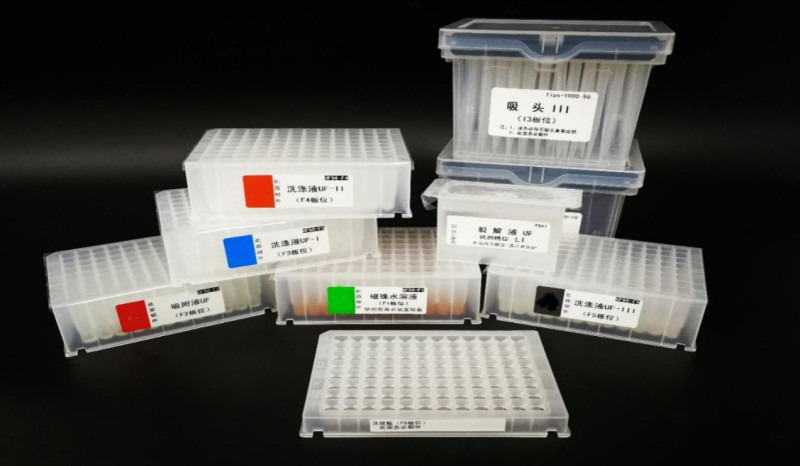
The Manual Silica Bead Trace DNA Kit represents a cornerstone technology in modern forensic biology, specifically engineered for the challenges of low-copy-number DNA analysis. This kit utilizes a solid-phase extraction principle, where DNA molecules selectively bind to the surface of silica beads under specific chemical conditions. This method is particularly crucial for processing touch DNA evidence, which often contains minimal biological material recovered from surfaces like weapon handles, clothing fibers, or fragmented bones. By providing a dedicated, manual protocol, this kit grants forensic analysts precise control over each step, which is vital when dealing with precious and irreplaceable evidentiary samples that may be degraded or contaminated.
Key Features and Benefits
A primary feature of this DNA extraction kit is its exceptional sensitivity, designed to maximize recovery from samples with a low DNA template. The silica bead matrix offers a high surface area for efficient binding, ensuring that even fragmented genetic material is captured. Furthermore, the chemistry of the binding and wash buffers is optimized to remove common PCR inhibitors found in forensic samples, such as humic acids from soil or indigo dyes from denim, thereby purifying the DNA for more reliable downstream genetic analysis. The manual format of this forensic DNA extraction process allows for flexibility, enabling laboratories to adapt the protocol for challenging casework samples without being constrained by an automated system's parameters.
Applications in Forensic DNA Analysis
The applications of this trace DNA kit are extensive within a forensic DNA laboratory. It is routinely employed for processing evidence from property crimes, where DNA may be deposited through mere skin cell contact. Sexual assault kit evidence, often involving complex mixtures and low levels of contributor DNA, also benefits from the selective purification this method provides. Additionally, in missing persons and disaster victim identification cases, analysts rely on such kits to extract DNA from highly degraded skeletal remains or teeth, where traditional organic extraction methods may fail. The reliability of the silica bead technology makes it a trusted choice for generating DNA profiles from the most demanding biological samples encountered in casework.
How the Silica Bead Technology Works
Silica bead technology for DNA purification is a fundamental advancement in molecular biology, now a standard in forensic protocols. The process capitalizes on the biochemical affinity of DNA for silica in the presence of a high-concentration chaotropic salt. These salts, like guanidine hydrochloride, disrupt the hydrogen-bonding network of water molecules, allowing the phosphate backbone of the DNA to interact directly with the silica surface. This interaction is pH-dependent and reversible, forming the basis for a highly selective purification method that separates nucleic acids from proteins, cellular debris, and other contaminants commonly present in a forensic sample.
Principles of DNA Binding and Elution
The principle of DNA binding is straightforward yet elegant. When a lysed sample, containing freed DNA fragments, is combined with the silica beads and a binding buffer, the chaotropic salts facilitate the adsorption of DNA onto the solid phase. Subsequent wash steps with an alcohol-based solution remove salts and impurities while keeping the DNA firmly attached. The final elution step reverses this binding. By introducing a low-ionic-strength buffer or nuclease-free water, the stabilizing salt environment is removed, and the DNA desorbs from the silica surface into the clean eluate. This eluted DNA is then ideally suited for sensitive applications like PCR amplification and short tandem repeat (STR) typing, which are the next critical steps in the DNA analysis workflow.
Advantages Over Traditional Extraction Methods
Compared to traditional organic extraction using phenol-chloroform, the manual silica bead method offers significant advantages for a forensic laboratory. It eliminates the use of hazardous, toxic chemicals, thereby improving laboratory safety and simplifying waste disposal. The protocol is generally faster and more conducive to processing multiple samples simultaneously. Most importantly, it provides superior consistency and DNA purity, which directly translates to higher success rates in obtaining interpretable DNA profiles from low-yield and compromised samples. This reliability is why silica-based purification has become the dominant technique in forensic DNA extraction protocols worldwide.
Optimizing Performance for Trace DNA Samples
Extracting DNA from trace evidence requires more than just a reliable kit; it demands meticulous technique and an understanding of how to optimize each variable. For low-template DNA samples, every microliter and every incubation time can impact the final yield. Pre-treatment steps, such as a more vigorous lysis or a pre-wash to remove inhibitors from fabric swabs, can be integrated into the standard protocol of this manual kit. The goal is to strike a balance between maximizing DNA recovery and minimizing the co-extraction of substances that could inhibit the subsequent polymerase chain reaction, a common challenge in forensic DNA analysis.
Tips for Low-Template and Degraded Samples
When working with low-template or degraded DNA, several best practices can enhance the performance of your silica bead extraction. First, consider concentrating the initial lysate by reducing the volume of lysis buffer, ensuring more DNA molecules are presented to the silica beads. During the binding step, extending the incubation time or using a gentle rocking motion can improve adsorption efficiency. For severely degraded samples, which contain very short DNA fragments, adjusting the pH of the binding buffer slightly can optimize the binding kinetics for smaller molecules. It is also critical to use dedicated, DNA-free workspace and consumables to prevent contamination, which can easily overwhelm the signal from a genuine trace sample.
Quality Control and Yield Assessment
Implementing rigorous quality control is non-negotiable in forensic DNA extraction. Following the elution step, it is standard practice to quantify the total amount of DNA recovered using sensitive fluorometric methods. This quantification not only confirms successful extraction but also informs the analyst how much DNA to use in the subsequent PCR setup, which is crucial for balanced amplification, especially in mixture interpretation. Additionally, assessing the purity of the DNA through absorbance ratios (A260/A280) can indicate the presence of residual contaminants. Many laboratories also run a positive control sample with each batch of extractions to verify the entire kit's reagents and the protocol's integrity, ensuring the reliability required for courtroom-admissible results.
Integration with Forensic Laboratory Workflows
The true value of any forensic laboratory equipment or reagent is measured by how seamlessly it integrates into the end-to-end workflow. The Manual Silica Bead Trace DNA Kit is designed with this integration in mind. The purified DNA eluate it produces is compatible with all major commercial platforms for PCR amplification and capillary electrophoresis, the standard methods for STR analysis. This compatibility ensures that the genetic profiles generated are robust and meet the quality standards of national DNA databases. For laboratories processing high volumes of evidence, the manual protocol can be easily scaled and organized in batches, fitting into a structured forensic biology workflow that moves from evidence examination through to data interpretation.
Compatibility with Downstream Analysis (e.g., PCR, STR Typing)
The output from this DNA extraction kit is specifically formulated to be ideal for downstream genetic analysis. The elution buffer is free of common PCR inhibitors and salts that can interfere with the activity of DNA polymerase enzymes. This means the extracted DNA can be added directly to a PCR master mix for amplification of forensic STR markers without the need for further dilution or purification steps. The high purity achieved through the silica bead washing steps minimizes baseline noise and artifacts during capillary electrophoresis, leading to cleaner, more interpretable electropherograms. This end-to-end compatibility is essential for maintaining high throughput and reliability in a forensic DNA laboratory's operations.
Streamlining DNA Extraction in High-Throughput Labs
While this is a manual kit, its design contributes significantly to streamlining processes in high-throughput forensic laboratories. The reagents are provided in convenient volumes suitable for batch processing. The protocol steps are clear and consistent, reducing hands-on time and the potential for operator error. Many labs find that using such a reliable manual method for their most challenging trace evidence cases, while employing automated systems for routine samples, creates an efficient and flexible workflow. Furthermore, the consistent performance of the kit reduces the need for repeat extractions, saving both time and precious evidence, and allows laboratory managers to better predict turnaround times for casework.
Why Choose Forensic DNA Labs for Your DNA Extraction Kits
Selecting a supplier for critical forensic reagents goes beyond comparing product specifications. It involves partnering with a provider who understands the unique demands and legal responsibilities of forensic casework. Our commitment is rooted in supplying not just products, but validated forensic DNA laboratory solutions. Every batch of our Manual Silica Bead Trace DNA Kit undergoes stringent quality control testing to ensure performance meets the exacting standards required for forensic applications. We recognize that your work depends on reproducibility and sensitivity, and we build that reliability into every component we supply.
Commitment to Quality and Reliability
Our commitment to quality is demonstrated through our manufacturing processes and support structure. All reagents are produced under controlled conditions, and each kit lot is tested for performance using standardized, challenging DNA samples to guarantee consistent yield and purity. We provide comprehensive certificates of analysis with every shipment. This reliability is paramount because forensic analyses are often subject to legal scrutiny, and the integrity of your DNA extraction process must be unimpeachable. By choosing our kits, you are incorporating a trusted, high-quality component into your forensic DNA analysis pipeline.
Customizable Solutions for Forensic DNA Laboratories
We understand that no two forensic DNA laboratories are identical. Some may focus on high-volume databanking, while others specialize in complex, low-template casework. Therefore, we offer more than just off-the-shelf products. Our team of experts is available to discuss your laboratory's specific challenges, whether it's adapting a protocol for a unique sample type, optimizing a workflow for better throughput, or integrating new equipment. We view our role as a solutions provider, helping you build and maintain a forensic DNA laboratory that is efficient, robust, and capable of delivering conclusive results for justice and identification purposes.
Get a Quote
Contact our sales staff, tell us your needs, and we will provide you with the most suitable solution.
Contact Now