Introduction to the Automated 24-Channel Mixed Stain Kit
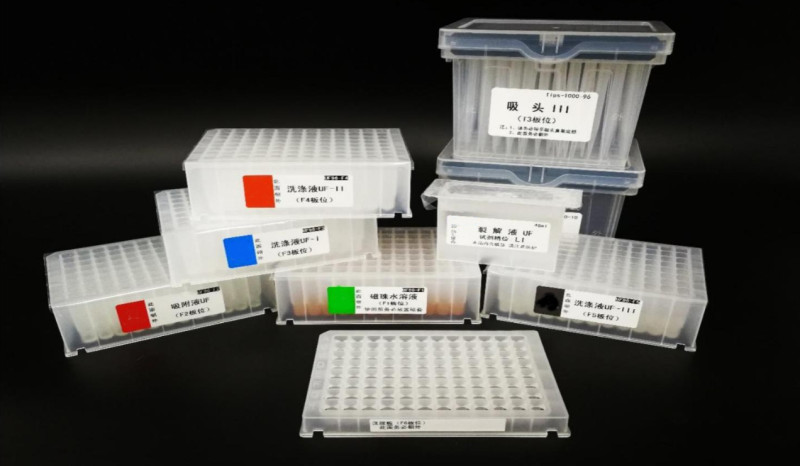
In the world of forensic genetics, evidence rarely arrives in a pristine, single-source form. Crime scene samples often contain biological material from multiple individuals, creating what is known as a mixed stain. Analyzing these complex mixtures is one of the most challenging tasks in a forensic DNA laboratory. Traditional manual methods for processing such samples can be time-consuming and prone to variability. The advent of automated solutions marks a significant leap forward, enabling labs to handle higher caseloads with greater precision and reliability.
The critical need for automation in modern forensic laboratories cannot be overstated. As the demand for DNA analysis grows, so does the pressure on lab personnel and infrastructure. High-throughput DNA labs require systems that can process numerous samples simultaneously without sacrificing accuracy. Automation addresses this by standardizing the most repetitive and sensitive steps, such as liquid handling during the DNA extraction and amplification stages. This shift not only boosts productivity but also enhances the overall integrity of the forensic analysis process, ensuring that results are both robust and defensible in court.
Key Features and Technical Specifications
At the core of this system is its high-efficiency 24-channel pipetting head. This design allows for the simultaneous processing of an entire plate of samples, dramatically accelerating the workflow. Such rapid processing is essential when dealing with backlogs or time-sensitive cases. The precision of this automated liquid handling minimizes volume discrepancies that can occur with manual pipetting, directly contributing to more consistent amplification and subsequent STR analysis.
The success of any forensic DNA kit hinges on its reagent formulation. This kit features an optimized chemistry specifically designed for the challenges of complex mixture resolution. The reagents work to efficiently lyse cells, purify DNA, and prepare it for polymerase chain reaction (PCR) in a manner that maximizes the recovery of genetic information from challenging samples. Furthermore, the integrated protocol is pre-programmed into the system, guaranteeing that every sample undergoes an identical process.
Compatibility is a key consideration for any laboratory investment. This automated kit is engineered to work seamlessly with major liquid handling platforms commonly found in forensic genetics laboratories. More importantly, the processed samples are perfectly prepared for downstream capillary electrophoresis, the gold standard for STR typing. This end-to-end compatibility ensures a smooth transition from sample preparation to generating a DNA profile, creating a cohesive and efficient laboratory system.
Benefits for Your Forensic DNA Laboratory
Implementing this automated solution translates into tangible operational advantages. The most immediate impact is a dramatic increase in sample throughput. By automating the pipetting steps for extraction and PCR setup, laboratories can process significantly more cases within the same timeframe, directly addressing caseload backlogs and improving turnaround times. This boost in lab productivity allows agencies to serve justice more swiftly.
Beyond speed, automation introduces a new level of data consistency and quality control. Human error, such as pipetting mistakes or sample mix-ups, is a persistent risk in manual workflows. The automated system minimizes these risks, thereby reducing the potential for cross-contamination between samples. Standardizing the extraction and amplification processes ensures that the DNA profiles generated are of unmatched consistency, whether the sample was processed today or six months from now. This reliability strengthens the evidentiary value of the DNA analysis.
An often-overlooked benefit is the optimization of human resources. By reducing hands-on time for repetitive tasks, highly trained forensic analysts and DNA technicians are freed to focus on the more complex aspects of their work. This includes critical data interpretation, especially for challenging low-template DNA or complex mixtures, report writing, and court testimony. This strategic reallocation of expertise enhances the overall intellectual output and efficacy of the forensic laboratory.
Workflow Integration: From Sample to Profile
A successful forensic tool must integrate smoothly into an existing laboratory ecosystem. This automated kit is designed for seamless integration into a comprehensive automated DNA extraction workflow. It acts as a powerful module that fits between the initial sample purification and the final genetic analysis, creating a continuous, streamlined pipeline from evidence item to DNA profile.
The system is particularly effective for specific, high-priority sample types. For instance, the efficient processing of sexual assault kits, which often contain complex mixtures, is greatly enhanced. Similarly, touch DNA samples, which typically yield very low quantities of genetic material, benefit from the kit's optimized reagent chemistry and reduced risk of contamination during automated handling. The consistent preparation of these sensitive samples leads to more reliable profiles.
The final and crucial step is preparing the amplified DNA for analysis. The output from this automated kit is ideally formatted for capillary electrophoresis. The purified and amplified DNA fragments are ready to be injected into the capillary array for STR typing, where they are separated by size to create the distinctive DNA profile used for identification. This seamless handoff between sample preparation and genetic analysis is what defines a truly integrated forensic genetics system.
Technical Support and Service for Your Lab
Adopting new technology is a partnership. We provide comprehensive support beginning with professional installation and in-depth training for your laboratory staff. This includes assistance with the initial validation studies required to implement the kit into your accredited forensic DNA analysis protocols, ensuring it meets all necessary quality control benchmarks.
To maintain uninterrupted operations, we offer reliable ongoing reagent supply and consumables management. Our service includes guidance on proper storage requirements to maximize the shelf life of the kit components, ensuring optimal performance for every run. We understand that a consistent supply chain is vital for a functioning forensic laboratory.
Even with the most robust systems, questions can arise. Our team provides expert troubleshooting support specifically for forensic DNA analysis protocols. Whether it's optimizing the system for a novel sample type or addressing a technical query, our specialists are committed to helping you achieve reliable and accurate results, safeguarding the integrity of your laboratory's work.
Why Choose Our Automated Forensic Kits?
Our solutions are built upon decades of focused experience in developing forensic DNA laboratory solutions. We have partnered with leading institutions to understand the real-world challenges of casework, from processing high-volume batches to interpreting complex DNA mixtures. This deep expertise is engineered into every aspect of our products.
Ultimately, we see ourselves as more than just a supplier; we are a partner in building efficient and reliable forensic genetics systems. Our goal is to provide the tools, technology, and support that empower your laboratory to deliver justice with confidence, accuracy, and speed.
FAQs
What types of forensic samples is this kit validated for?
This automated mixed stain kit is extensively validated for a wide range of forensic sample types commonly encountered in casework. This includes, but is not limited to, sexual assault kit swabs, touch DNA samples from various surfaces, blood stains, and saliva samples. The validation studies focus on demonstrating reliable performance with complex mixtures and low-template DNA, ensuring it meets the rigorous demands of forensic DNA analysis protocols.
How does this kit improve the analysis of low-template DNA?
The analysis of low-template DNA presents significant challenges, primarily the risk of allele dropout and stochastic effects. This kit improves analysis through its optimized reagent formulation, which is designed to maximize DNA recovery and amplification efficiency from minimal starting material. Furthermore, the automated 24-channel pipetting ensures precise and consistent reagent volumes, reducing technical variation that can critically impact the results of low-level DNA samples. This combination leads to more robust and interpretable DNA profiles.
What are the storage requirements and shelf life of the kit reagents?
To ensure maximum performance and stability, the kit reagents have specific storage requirements. Typically, key enzyme components require storage at -20°C, while buffer solutions are stable at 2-8°C. The complete shelf life, from the date of manufacture, is clearly indicated on each kit and can extend for 12 months or more when stored according to the specified conditions. Proper storage is a critical component of quality control in any forensic laboratory workflow.
Can this automated kit be customized for our lab's specific workflow?
Yes, we understand that each forensic DNA laboratory may have established protocols or unique requirements. While the kit comes with a robust, pre-validated integrated protocol, our systems often allow for a degree of customization within the liquid handling software. This can include adjustments to incubation times, mixing steps, or sample volumes to better align with your laboratory's specific standard operating procedures. We recommend discussing your workflow with our technical support team to explore the optimal configuration for your needs.
Automated Multi-Person Mixed Sample Analysis: The Application of 24-Channel Automation Kits in Mass Disaster and Group Cases
Explore how automated 24-channel mixed stain kits revolutionize multi-person mixed sample analysis in mass disasters and group cases, enhancing throughput, accuracy, and compliance in forensic DNA...
Get a Quote
Contact our sales staff, tell us your needs, and we will provide you with the most suitable solution.
Contact Now