Streamline Your High-Volume Casework with Automated Bone DNA Extraction
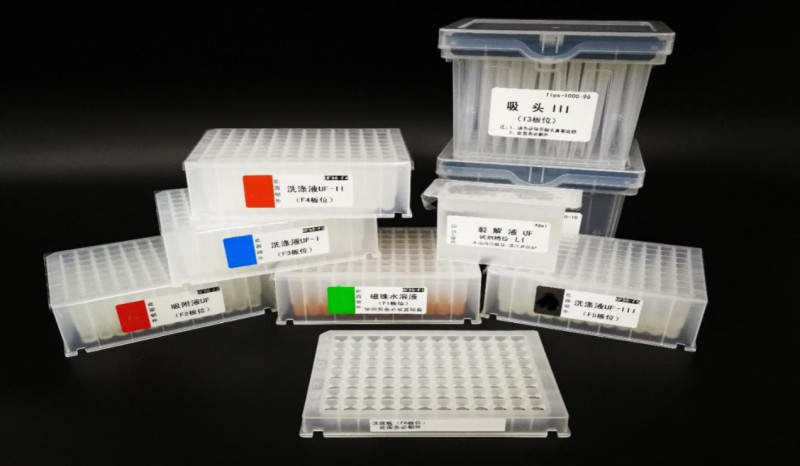
Processing skeletal remains for DNA analysis presents unique hurdles. Traditional methods for bone DNA extraction can be labor-intensive and inconsistent, especially when dealing with high sample volumes from complex cases. The shift towards semi-automated systems addresses this directly. By integrating a specialized bone DNA kit with robotic liquid handlers, laboratories can achieve a new level of efficiency. This approach standardizes the critical steps of demineralization, digestion, and purification, transforming a historically challenging manual process into a reliable, high-throughput workflow. The result is a consistent output of high-quality genetic material, ready for advanced forensic analysis, even from the most compromised sources.
Overcoming the Challenges of Calcified and Degraded Samples
Bone is a formidable biological archive, but its very strength—the mineral matrix—is a primary obstacle to accessing DNA. In forensic contexts, samples are often further compromised by environmental exposure, fire, or the simple passage of time. These factors lead to DNA that is not only trapped within calcified structures but also chemically degraded and fragmented. Effective forensic DNA extraction from such material requires a method that first breaks down the inorganic mineral component without destroying the fragile organic DNA within. Specialized lysis buffers are engineered to perform this dual task, ensuring the release of maximum genetic material from challenging substrates like aged or burned bone, which are common in missing persons or disaster victim identification scenarios.
From Manual Processing to Semi-Automated Efficiency
The evolution from purely manual protocols to semi-automated extraction represents a significant leap in forensic laboratory productivity. Manual methods, while effective, require extensive hands-on time from highly trained analysts and introduce variables in timing and technique that can affect reproducibility. A semi-automated large volume bone DNA kit, when deployed on a compatible liquid handling platform, minimizes this human variable. The system precisely dispenses reagents, controls incubation times, and manages the magnetic bead-based purification steps with consistent accuracy. This transition not only increases the number of samples that can be processed in a single batch but also drastically reduces the potential for procedural errors and cross-contamination between samples, a paramount concern in forensic DNA analysis.
Core Technology: How Our Bone DNA Kit Optimizes the Extraction Process
The efficacy of any forensic DNA extraction kit lies in the synergy of its biochemical components and its adaptation to automated platforms. Our solution is built on a foundation of chemistry and physics designed specifically for calcified tissues. The process begins with a robust lysis stage that targets both the hydroxyapatite mineral and the protein collagen network, effectively liberating DNA. Following this, a magnetic bead-based purification system captures the nucleic acids with high specificity and capacity. Finally, the DNA is eluted in a small, optimized volume, resulting in a concentrated extract ideal for sensitive downstream applications like PCR amplification for STR profiling or next-generation sequencing libraries.
Specialized Lysis Chemistry for Demineralization and Digestion
The initial lysis step is the most critical for successful bone DNA extraction. Unlike soft tissues, bone requires a dual-action approach. The chemistry must include agents capable of decalcification, such as EDTA, which chelates calcium ions to soften and dissolve the mineral matrix. Concurrently, a powerful proteinase K enzyme works to digest the organic collagen framework that encapsulates the cells. This combined demineralization and digestion process, often performed in an extended incubation, ensures the complete release of DNA molecules from their calcified prison. The formulation is optimized to be harsh enough to break down the bone yet gentle enough to preserve the integrity of the often-degraded DNA strands for subsequent forensic analysis.
Compatible Magnetic Bead Technology for High DNA Binding Capacity
Once DNA is liberated, separating it from inhibitors like humic acids (common in buried remains) and residual bone powder is essential. Our kit employs a magnetic silica bead technology renowned for its high binding capacity. These beads provide a vast surface area that selectively binds DNA in the presence of specific salts and alcohols. Under magnetic separation, the beads—with DNA attached—are immobilized while contaminants are washed away through a series of efficient buffer steps. This technology is particularly suited for automation, as liquid handling robots can precisely control bead mixing, capture, and washing, leading to extracts of high purity that are free from substances that could inhibit crucial downstream processes like DNA quantification or PCR amplification.
Seamless Integration into Your Forensic DNA Laboratory Workflow
Adopting a new extraction protocol should not mean overhauling your entire laboratory information management system. Our semi-automated bone DNA kit is designed for integration. The pre-optimized protocols are formatted for direct use with major liquid handling platforms, meaning your team can implement the system with minimal method development time. The workflow supports the batch processing of multiple bone samples simultaneously, from pulverized bone powder through to purified eluate. This standardization is key for laboratories handling large-scale projects, such as disaster victim identification (DVI) or historical investigations, where processing speed and result consistency are directly linked to resolution and closure.
Standardized Protocols for Batch Processing of Multiple Bone Samples
Consistency is the cornerstone of reliable forensic science. The provided Standard Operating Procedures (SOPs) for this bone DNA extraction kit deliver a turnkey solution for batch processing. Each step, from sample loading and reagent addition to wash cycles and final elution, is meticulously defined and optimized for semi-automated execution. This allows a laboratory to process dozens of samples in a single run with uniform treatment, eliminating the inter-batch variability often seen in manual methods. The standardized protocol ensures that every sample, whether from a recent case or a decades-old cold case involving skeletal remains, undergoes an identical extraction process, yielding comparable DNA quality that is crucial for database entry and comparative analysis.
Reducing Hands-On Time and Minimizing Cross-Contamination Risk
Two of the most significant benefits of semi-automated extraction are the dramatic reduction in hands-on technician time and the enhanced containment against contamination. Once samples and reagents are loaded onto the deck of the liquid handling robot, the process runs with minimal intervention. This frees highly skilled forensic DNA analysts to focus on data interpretation and other complex tasks. Furthermore, automation physically separates the analyst from the open samples and reagents after the initial setup. The system uses disposable tips and pre-determined liquid paths, which, combined with enclosed processing, creates a formidable barrier against aerosol contamination and sample-to-sample carryover, thereby upholding the highest standards of forensic DNA laboratory integrity.
FAQs: Implementing Semi-Automated Bone DNA Extraction
Transitioning to a semi-automated workflow for challenging samples like bone involves practical considerations. Laboratories often inquire about throughput, comparative performance, and compatibility with their existing infrastructure. Addressing these questions upfront facilitates a smooth implementation and helps set realistic expectations for the technology's impact on casework productivity and success rates in obtaining viable DNA profiles from degraded skeletal material.
What is the typical sample throughput per run with this kit?
The throughput is primarily determined by the configuration of your specific liquid handling platform. Our standardized protocols are scalable and are commonly configured to process between 24 to 96 samples in a single batch run, depending on the deck capacity and pipetting channel count of the instrument. This represents a substantial increase over manual organic extraction methods, which are typically limited to a much smaller batch size due to practical constraints. The semi-automated system efficiently manages the long incubation times and multiple wash steps in parallel, allowing a laboratory to significantly increase its capacity for processing skeletal remains without a linear increase in staffing or hands-on labor.
How does this kit compare to manual organic extraction methods for bone?
The comparison centers on consistency, safety, and scalability. Manual organic extraction, often using phenol-chloroform, is a proven but hazardous technique requiring significant technical skill. Results can vary between analysts and batches. Our semi-automated kit, based on magnetic bead technology, offers a safer, cleaner alternative with superior reproducibility. While both methods can effectively isolate DNA, the automated approach provides tighter control over every variable—from incubation timing to wash volumes—leading to more uniform DNA yield and purity across all samples. This consistency is vital for downstream processes like STR analysis, where inhibitor-free DNA is critical for successful amplification, especially from low-copy-number or degraded templates often found in forensic bone samples.
Get a Quote
Contact our sales staff, tell us your needs, and we will provide you with the most suitable solution.
Contact Now