What is a Manual Spin Column Trace DNA Kit?
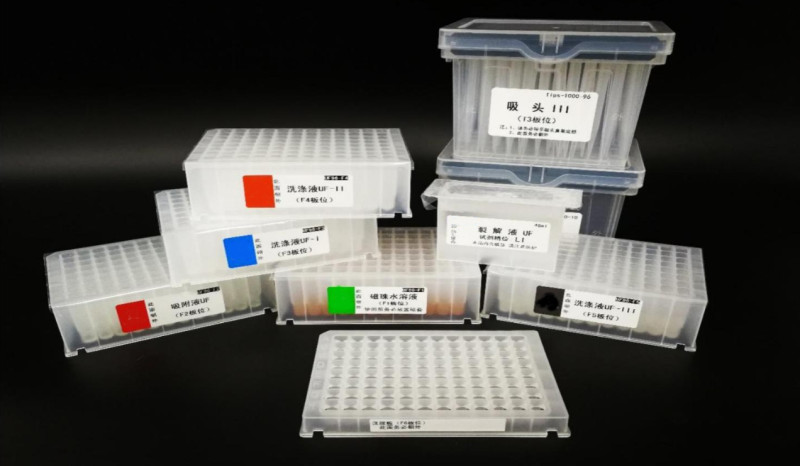
In forensic DNA analysis, obtaining a genetic profile often depends on the initial step of isolating DNA from complex and often minute biological samples. A manual spin column trace DNA kit is a specialized laboratory tool designed for this critical purification task. At its core, this technology leverages a precise biochemical process to separate and concentrate DNA, making it suitable for subsequent sensitive analytical techniques.
The fundamental mechanism relies on silica-membrane technology. During the extraction protocol, DNA molecules selectively bind to the silica surface within the spin column under specific buffer conditions, while contaminants are washed away. This method is particularly engineered for the challenges of forensic evidence, focusing on the efficient capture of low-copy-number and degraded DNA that is typical from handled objects or compromised sources.
Core Principle: Silica-Membrane Technology for DNA Binding
The efficacy of a forensic DNA extraction kit hinges on the selective binding properties of its silica membrane. When a prepared sample lysate, containing freed DNA, proteins, and other cellular debris, is passed through the column, a high-salt binding buffer creates the ideal environment. Under these chaotropic conditions, the DNA backbone is exposed and forms hydrogen bonds with the silica surface. This interaction is highly specific, allowing for the retention of nucleic acids even when present in picogram quantities amidst a background of inhibitory substances commonly found in forensic samples.
Designed for Low-Copy-Number and Degraded DNA Evidence
Traditional DNA purification methods may not be sensitive enough for the demands of modern forensic casework, which frequently involves touch DNA or environmentally exposed items. These kits are optimized with proprietary lysis buffers and binding chemistry that maximize the recovery of short, fragmented DNA strands. The protocol minimizes sample handling and processing time, which is crucial to prevent further degradation and to improve the likelihood of obtaining a full short tandem repeat (STR) profile from a challenging sample.
Key Features and Benefits of Our Trace DNA Extraction Kit
Our manual spin column kit is developed with the forensic analyst's needs at the forefront, integrating features that directly address the pain points of processing trace evidence. The goal is to transform a potentially problematic sample into a viable template for PCR amplification, thereby increasing laboratory efficiency and the success rate of criminal investigations.
One of the primary advantages is the maximized DNA recovery from minimal sample input. The kit's chemistry and column design work in concert to capture a high percentage of available DNA, which is paramount when the starting material is a single cell or a few skin cells left on a surface. Furthermore, the included wash buffers are formulated to effectively remove a wide range of PCR inhibitors—such as humic acids from soil, dyes from fabrics, or hematin from blood—resulting in cleaner eluates and more robust downstream analysis.
Effective Removal of PCR Inhibitors for Cleaner Profiles
The presence of co-purified inhibitors is a major cause of PCR failure or partial profiles in forensic DNA testing. Our extraction kit incorporates multiple wash steps with optimized buffers that target different classes of inhibitory compounds. This rigorous purification process ensures that the final eluted DNA is of high purity, significantly reducing the risk of amplification issues and leading to more interpretable and reliable electropherograms for STR analysis or next-generation sequencing workflows.
Compatibility with Downstream Forensic DNA Analysis
A successful extraction is only valuable if the purified DNA performs well in the laboratory's established analytical pipeline. This kit produces DNA eluates in a low-salt, neutral pH buffer that is fully compatible with all major forensic DNA amplification kits, capillary electrophoresis systems, and quantitative PCR instruments. This seamless integration supports a streamlined workflow from sample receipt to data interpretation, ensuring no loss of precious genetic material due to buffer incompatibility.
Ideal Applications in the Forensic DNA Laboratory
The versatility of a manual spin column trace DNA kit makes it an indispensable tool across various forensic disciplines. Its primary application is in processing touch DNA evidence, which involves collecting genetic material from surfaces handled by a person. This includes items like weapon grips, clothing, burglary tools, or stolen goods, where the amount of biological material is often invisible to the naked eye and requires a highly sensitive extraction method.
Beyond touch DNA, this technology is critical for purifying DNA from skeletal remains and ancient samples. These samples present unique challenges, including extreme degradation and the presence of environmental contaminants that can inhibit enzymatic reactions. The kit's robust lysis conditions and efficient inhibitor removal are essential for recovering endogenous DNA from bone powder or tooth pulp, aiding in identification efforts in missing persons cases or historical investigations.
Extracting DNA from FTA Cards and Other Challenging Substrates
Forensic laboratories also utilize various collection substrates, such as FTA cards, which chemically entrap and preserve DNA from blood or saliva stains. Eluting DNA from these cards for subsequent analysis requires a method that can overcome the card's binding chemistry. Our kit includes protocols tailored for such challenging substrates, ensuring efficient DNA recovery without compromising its quality for sensitive downstream applications like Y-chromosome or mitochondrial DNA analysis.
Step-by-Step Protocol: How to Use the Manual Spin Column Kit
The protocol for our kit is designed to be simple and rapid, minimizing hands-on time and potential for error. The process begins with sample lysis and binding, where the evidence sample is incubated with a specialized digestion buffer. This step is optimized for trace DNA, often incorporating extended incubation times or gentle agitation to ensure complete cell lysis and release of DNA from difficult matrices like fabric fibers or adhesive tapes.
Following lysis, the lysate is applied to the spin column and centrifuged. The subsequent wash steps are meticulously calibrated to ensure purity without significant DNA loss. A series of wash buffers, often an initial wash followed by one or two ethanol-based washes, remove proteins, salts, and other impurities. Careful centrifugation ensures that no residual ethanol, a potent PCR inhibitor, remains before the final elution step.
Elution: Achieving High Concentration in Low Volume
The final and critical phase is the elution of purified DNA. A small volume of a low-ionic-strength elution buffer or molecular-grade water is added to the center of the silica membrane. After a brief incubation to allow the DNA to dissociate from the silica, a final centrifugation step collects the concentrated DNA eluate. Using a low elution volume, typically between 10 to 50 microliters, is a key strategy for achieving a high DNA concentration, which is directly beneficial for the success of subsequent PCR amplification, especially for low-template samples.
Why Choose Our Forensic DNA Extraction Kits?
Selecting reagents for a forensic laboratory involves considerations beyond basic functionality. Our kits are rigorously validated for forensic use, with validation studies conducted following international guidelines to ensure they meet the stringent requirements for ISO/IEC 17025 accreditation. This means every lot is tested for performance with low-level, inhibited, and degraded samples, providing analysts with confidence in their results, which may be presented in a court of law.
We back our products with unmatched technical support from forensic science experts. Our support team includes scientists with direct experience in operational crime labs, who understand your challenges and can provide practical troubleshooting, protocol optimization advice, and validation guidance. This expertise is an integral part of our offering, ensuring you can implement and use our kits effectively.
Reliable Supply Chain for Your Laboratory’s Critical Needs
Forensic casework cannot halt due to supply chain disruptions. We maintain a reliable and transparent supply chain for all our forensic DNA laboratory supplies, including these critical extraction kits. Our inventory management and manufacturing processes are designed to provide consistent availability, ensuring your laboratory can maintain its workflow and meet its service commitments without interruption.
Frequently Asked Questions (FAQ) About Trace DNA Kits
Forensic analysts often have specific questions regarding the performance and application of trace DNA kits. One common inquiry pertains to the typical yield from a touch DNA sample. It is important to understand that yield is highly variable and depends on numerous factors including the donor's shedder status, the nature of the surface, environmental conditions, and collection technique. While our kit is optimized for maximum recovery, yields can range from undetectable to several nanograms, highlighting the importance of a sensitive extraction and amplification system.
How does this kit compare to automated extraction systems?
Manual spin column kits and automated liquid handling platforms each have their place in the forensic DNA laboratory. Manual kits offer greater flexibility for processing a wide variety of unique or challenging sample types, allow for protocol adjustments, and are often more cost-effective for lower throughput or specialized cases. Automated systems excel at standardizing high-volume, routine sample processing. Our manual kit is designed to deliver comparable purity and yield, providing a powerful manual option or a reliable backup method.
What elution buffer is recommended for optimal STR analysis?
For optimal short tandem repeat (STR) analysis, we recommend using the kit's provided low TE buffer or molecular biology-grade water for elution. The choice can depend on your laboratory's specific downstream protocols and stability requirements. Elution in a slightly alkaline, low-EDTA TE buffer can help stabilize the DNA for long-term storage, while water may be preferred for immediate use to avoid any potential, though minimal, inhibition from buffer components. Our technical support can help you determine the best practice for your workflow.
Get a Quote
Contact our sales staff, tell us your needs, and we will provide you with the most suitable solution.
Contact Now