What is a Capillary Electrophoresis Genetic Analyzer?
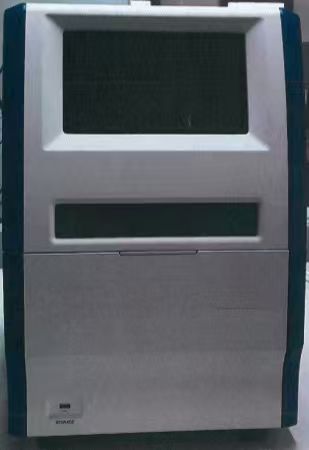
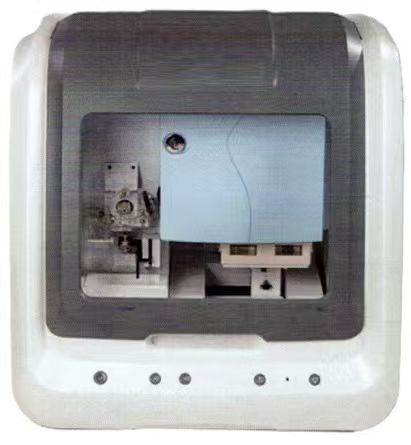
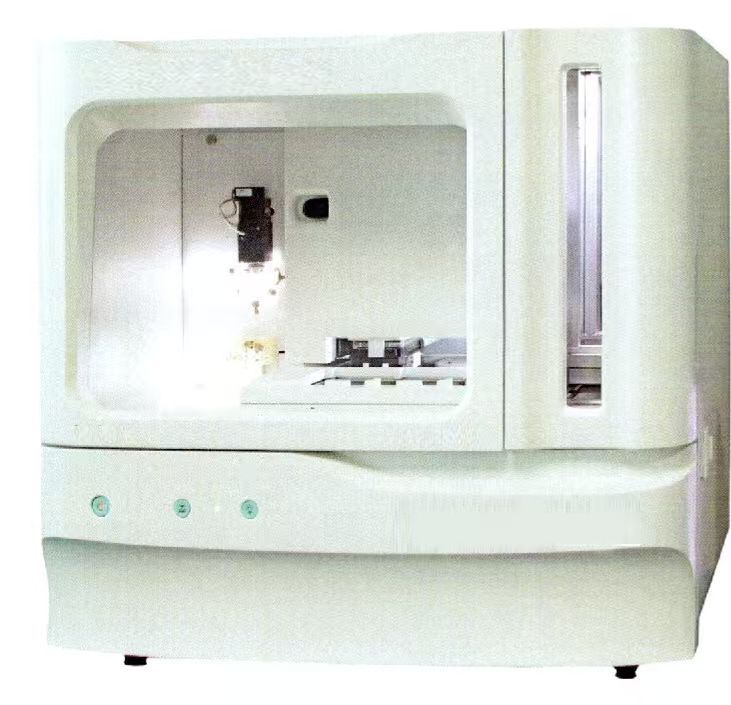
At the heart of modern forensic DNA analysis lies a sophisticated instrument known as a capillary electrophoresis genetic analyzer. This system is the final, critical step in generating a DNA profile, transforming biological evidence into digital data that can be interpreted by forensic scientists. Unlike older slab gel methods, this technology utilizes narrow, hair-thin glass tubes called capillaries to separate DNA fragments with exceptional precision.
The fundamental process combines two core principles: electrophoresis and fluorescence detection. During electrophoresis, an electrical field pulls the fluorescently tagged DNA fragments through a viscous polymer matrix inside the capillary. Smaller fragments move faster than larger ones, achieving separation. As these fragments pass a detection window, a laser excites the fluorescent dyes, and a highly sensitive CCD camera records the light emitted, creating the distinctive electropherogram peaks that represent an individual's genetic code.
Core Technology: Electrophoresis and Fluorescence Detection
The separation power of capillary electrophoresis is unmatched for forensic applications. The use of a replaceable polymer matrix within each capillary is key; its composition is optimized to resolve DNA fragments that may differ in length by only a single base pair. This high resolution is absolutely essential for analyzing complex mixtures or closely spaced alleles in STR profiling. Simultaneously, the multi-color fluorescence detection system allows for the analysis of several genetic markers at once, each labeled with a spectrally distinct dye, dramatically increasing the information obtained from a single sample injection.
Key Components: Capillary Array, Polymer, Laser, and CCD Camera
A reliable genetic analyzer is an integrated system of specialized components. The capillary array, often configured with 16, 24, or more capillaries, enables parallel processing of multiple samples, defining the instrument's throughput. The performance polymer is a consumable of critical importance, as its quality and consistency directly impact run-to-run data reproducibility. A stable laser provides the light source to excite the fluorescent tags, while a cooled CCD camera ensures sensitive and low-noise detection of the emitted light, even from low-quantity or degraded DNA samples commonly encountered in forensic casework.
Why Choose CE for Your Forensic DNA Laboratory?
Capillary electrophoresis has become the global standard for forensic DNA typing for compelling reasons. Its primary advantage is the production of high-quality, reproducible data that forms the basis for court-admissible evidence. The technology's precision directly supports the rigorous statistical interpretations required in forensic reports, particularly when dealing with partial profiles or mixtures from multiple contributors. Laboratories worldwide rely on this technology to maintain the integrity of the criminal justice process.
Furthermore, the scalability of CE systems aligns perfectly with the diverse workload of a modern forensic lab. Whether processing a handful of urgent casework samples or hundreds of database samples for a DNA index system, the modular capillary array configurations allow labs to match their instrument's capacity to their operational demands. This flexibility, combined with automated sample loading, ensures efficient use of analyst time and laboratory resources.
Unmatched Resolution for STR Analysis and Mixture Interpretation
The analysis of Short Tandem Repeats is the cornerstone of human identification in forensics. The fine resolution provided by capillary electrophoresis is critical for accurately determining the size of STR alleles, which is how they are categorized. This becomes paramount in mixture interpretation, where DNA from two or more individuals is present. High-resolution data allows analysts to deconvolute overlapping peaks, assign alleles to potential contributors, and calculate robust likelihood ratios, providing clear and defensible conclusions for investigative leads or courtroom testimony.
High-Throughput Capabilities for Casework and Database Samples
Operational efficiency is a constant pursuit in forensic laboratories facing backlogs. Modern genetic analyzers address this through high-throughput designs. Instruments featuring 24 or 96-capillary arrays can process entire batches of samples in a single run, which is ideal for populating or searching against national DNA databases. This parallel processing capability, often integrated with robotic liquid handlers for sample preparation, creates a streamlined workflow that maximizes laboratory output without compromising the meticulous data quality required for forensic science.
Key Features of Modern Forensic Genetic Analyzers
Today's instruments are engineered with features that enhance reliability, simplify compliance, and improve user experience. A primary consideration is the selection of a multi-capillary array configuration. Laboratories must evaluate their current sample volume and projected growth to choose between 8-capillary systems for lower volume casework or 96-capillary platforms dedicated to high-volume database processing. This decision impacts long-term workflow efficiency and cost-per-sample.
Integrated software suites are another vital feature, managing the entire process from instrument control and data collection to automated genotyping and preliminary analysis. These software systems are designed with forensic-specific algorithms for peak detection, sizing, and allele calling, reducing subjective interpretation and increasing standardization across different analysts and laboratories.
Advanced Spectral Calibration and Matrix Standards
Accurate color separation, or spectral calibration, is fundamental when using multi-dye chemistries. Advanced analyzers employ sophisticated software and standardized spectral calibration modules to distinguish between the emission spectra of different fluorescent dyes. This process, along with running regular matrix standards, corrects for any spectral overlap, ensuring that the signal from a dye labeled "blue" is not misinterpreted as one from a "green" dye. This fidelity is non-negotiable for generating accurate DNA profiles that are free from color-based artifacts.
Compliance with FBI QAS Standards and ISO 17025
Forensic laboratories operate under stringent quality assurance guidelines. Selecting a genetic analyzer that supports compliance with the FBI's Quality Assurance Standards and ISO/IEC 17025 accreditation is essential. Instrument manufacturers achieve this by providing detailed validation protocols, traceable calibration materials, and built-in electronic audit trails. Features like automated run monitoring, error logging, and secure data handling help laboratories demonstrate the integrity of their analytical processes during internal audits and external proficiency tests.
Essential Applications in Forensic DNA Analysis
The versatility of capillary electrophoresis extends beyond standard STR profiling for crime scene evidence. It is a platform that supports a wide range of specialized forensic DNA tests. When standard autosomal STRs provide limited information, such as in complex kinship analysis or certain degraded samples, laboratories can turn to markers on the sex chromosomes. These applications showcase the adaptability of the CE platform to meet diverse analytical challenges.
Furthermore, the technology plays a crucial role in laboratory quality control. By running validation and verification tests on new batches of PCR amplification kits or other reagents, scientists can use the genetic analyzer to confirm that sensitivity, specificity, and peak balance meet predefined specifications, ensuring the entire workflow functions reliably before casework samples are processed.
Y-STR and X-STR Analysis for Lineage Testing
Y-chromosome STR analysis targets markers that are passed down virtually unchanged from father to son. This lineage testing is invaluable in forensic investigations involving male contributors, such as sexual assault cases where a male profile needs to be separated from a large excess of female DNA, or in missing persons investigations tracing paternal lineage. Similarly, X-chromosome STR analysis can provide powerful information in certain complex kinship cases, such as those involving sisters or grandmother-grandchild relationships, where autosomal data may be inconclusive.
Mitochondrial DNA Sequencing and SNP Typing
For highly degraded samples where nuclear DNA is absent or severely compromised, such as old bones, hair shafts, or ancient remains, mitochondrial DNA analysis offers a solution. Capillary electrophoresis systems are routinely used for Sanger sequencing of the mtDNA control region. Additionally, the platform can be applied to type single nucleotide polymorphisms. SNP panels are useful for predicting biogeographical ancestry or externally visible characteristics like eye color, and for analyzing samples where STRs have failed, due to the shorter amplicon sizes possible with SNP assays.
Building Your Lab: Analyzer Integration & Workflow Solutions
Implementing a capillary electrophoresis system is not merely about installing an instrument; it is about integrating a key node into a seamless laboratory workflow. Strategic placement within the laboratory layout is the first step. The analyzer should be situated in a dedicated, climate-controlled area with stable power and adequate clearance for servicing, considering its connections to supporting equipment for a smooth pre-analysis and post-analysis data flow.
A holistic approach connects the genetic analyzer to both upstream and downstream processes. Upstream, integration with automated liquid handlers and thermal cyclers can standardize sample transfer to the analyzer's plate, minimizing manual pipetting errors. Downstream, a direct and secure data pipeline to a Laboratory Information Management System is critical for efficient data management, chain of custody tracking, and collaborative analysis among forensic examiners.
Post-Analysis: Data Transfer to Laboratory Information Management Systems (LIMS)
After a sequencing run is complete, the generated data must be securely managed and analyzed. Modern genetic analyzers facilitate direct export of data files to a Laboratory Information Management System. This integration automates data transfer, links analytical results back to the original case and sample metadata, and provides a centralized, secure repository for all electropherograms. A robust LIMS is indispensable for maintaining chain of custody, managing analyst assignments, scheduling instrument runs, and generating final reports, thereby closing the loop on the digital workflow.
Facility Requirements: Power, Cooling, and Space Considerations
The operational environment directly impacts instrument performance and longevity. Genetic analyzers require a dedicated, regulated power source with protection from surges and outages; an uninterruptible power supply is often recommended. The instrument and its associated server generate significant heat, making adequate room cooling or a dedicated HVAC system necessary to prevent overheating. Ample bench space is required not only for the analyzer itself but also for the computer workstation, and nearby storage for the essential consumables like performance polymer, capillaries, and buffer solutions used in daily operation.
Selecting the Right CE System: A Buyer's Guide
Choosing a capillary electrophoresis system is a significant investment that requires a careful assessment of both current and future laboratory needs. The decision should be guided by a clear understanding of the laboratory's primary mission. A lab focused on violent crime casework may prioritize exceptional data resolution and sensitivity for low-level samples, while a lab supporting a national DNA database may emphasize maximum throughput and the lowest possible cost per sample to process thousands of reference samples annually.
Beyond the initial purchase price, a comprehensive total cost of ownership analysis is crucial. This evaluation must include recurring expenses such as annual service contracts, the ongoing cost of proprietary polymers and capillaries, and any required software licensing fees. A system with a lower sticker price but high consumable costs may be more expensive over a five-year period than a slightly more expensive instrument with lower running costs.
Throughput Needs: Volume of Casework vs. Database Samples
A thorough workload assessment is the foundation of the selection process. Laboratories should quantify their average monthly sample intake, differentiating between time-sensitive casework samples and bulk reference samples for database entry. This analysis will point toward the optimal capillary array size. It is also prudent to consider future growth, such as new legal mandates for DNA collection or expanded forensic services, to ensure the selected platform has the capacity to scale, potentially avoiding the need for a second instrument purchase sooner than anticipated.
Compatibility with Forensic DNA Testing Kits and Consumables
Instrument compatibility with widely adopted forensic chemistries is a non-negotiable factor. The chosen CE system must be fully validated for use with the major commercial STR amplification kits, as these kits contain dye sets and size standards specifically designed for the detection parameters of forensic analyzers. Furthermore, reliance on a single vendor for proprietary polymers or capillaries can create supply chain risk. Evaluating the availability and sourcing options for these essential consumables is a key part of ensuring long-term, uninterrupted laboratory operation.
Maximizing Uptime: Maintenance and Best Practices
Consistent, reliable performance from a genetic analyzer is achieved through a disciplined approach to maintenance and operation. A proactive maintenance schedule, as outlined by the manufacturer, is far more effective than a reactive approach to repairs. This includes regular tasks such as flushing and conditioning capillaries to prevent clogging and buildup, which can degrade data quality, and timely replacement of the performance polymer and other fluids to ensure optimal separation and detection in every run.
Establishing and adhering to standardized operating procedures is equally important. This encompasses everything from proper sample preparation and plate loading techniques to consistent data review practices. When all analysts follow the same protocols, it reduces instrument variability and creates a stable baseline for troubleshooting, making it easier to identify whether an issue stems from the sample, the reagent, or the instrument itself.
Troubleshooting Common Issues: Signal Loss and Peak Morphology
Even with excellent maintenance, analysts may encounter data anomalies. A sudden drop in signal intensity across all capillaries could indicate an aging laser or a problem with the CCD camera detection system. Issues isolated to a single capillary, such as excessive noise or complete signal loss, often point to a clogged capillary or a bubble in the polymer matrix. Changes in peak morphology, like fronting or tailing peaks, can suggest problems with the polymer quality, capillary condition, or an issue with the sample's ionic strength. A systematic approach to troubleshooting, starting with the simplest solutions like replacing the polymer or re-injecting the sample, is key to efficient problem resolution.
Importance of Calibration and Performance Checks
Regular calibration and performance verification are the bedrocks of quality assurance. Running spectral calibration and matrix standard sets at defined intervals, as dictated by the laboratory's quality manual, ensures the instrument's color separation and sizing accuracy remain within specification. Additionally, running control samples with known DNA profiles in every batch, or at the start of every shift, provides an ongoing check of overall system performance. This data forms part of the instrument's lifetime record, demonstrating its reliability and supporting the validity of all casework data produced.
Forensic DNA Labs: Your Partner in Genetic Analysis Solutions
At Forensic DNA Labs, we understand that selecting and implementing a capillary electrophoresis system is a foundational decision for your laboratory's success. Our role extends beyond that of a simple equipment vendor. We position ourselves as a dedicated partner, bringing deep expertise in forensic science applications to help you navigate the complex landscape of genetic analysis technology. From the initial planning stages to daily operation, our team is committed to providing solutions that enhance your laboratory's capabilities and efficiency.
We offer comprehensive guidance tailored to the unique demands of forensic workflows. Our experts can assist you in designing an optimal laboratory layout that integrates the genetic analyzer seamlessly with your sample preparation and data analysis stations. We provide detailed validation protocols and support to help you achieve compliance with all relevant quality standards, ensuring your laboratory produces defensible, high-quality data from the very first case.
Expert Guidance on Instrument Selection and Validation
Our technical specialists work closely with your team to conduct a needs assessment, ensuring the recommended instrument configuration—be it an 8-capillary or a 96-capillary array—perfectly aligns with your casework volume, database commitments, and future growth projections. We then support the entire validation process, providing the necessary documentation and technical assistance to help you demonstrate that the system is installed correctly, operates as intended, and is suitable for its specific forensic applications, a critical step for accreditation.
Reliable Supply of CE Consumables and Reagents
Consistent operation requires a consistent supply of high-quality consumables. Forensic DNA Labs maintains a robust inventory of essential items, including genuine performance polymers, capillary arrays, buffers, and size standards. Our reliable supply chain and inventory management tools are designed to prevent workflow disruptions, giving you confidence that the materials needed for your next critical run are always available. Coupled with responsive technical service, we provide the end-to-end support that allows your laboratory to focus on its core mission: delivering justice through science.
Sensitivity Performance of Capillary Electrophoresis Genetic Analyzers for Degraded DNA Samples
Explore how capillary electrophoresis genetic analyzers achieve high sensitivity for degraded DNA. Learn about resolution, polymer chemistry, and data interpretation for compromised forensic samples.
Get a Quote
Contact our sales staff, tell us your needs, and we will provide you with the most suitable solution.
Contact Now