What is a Third-Generation DNA Sequencing Platform?
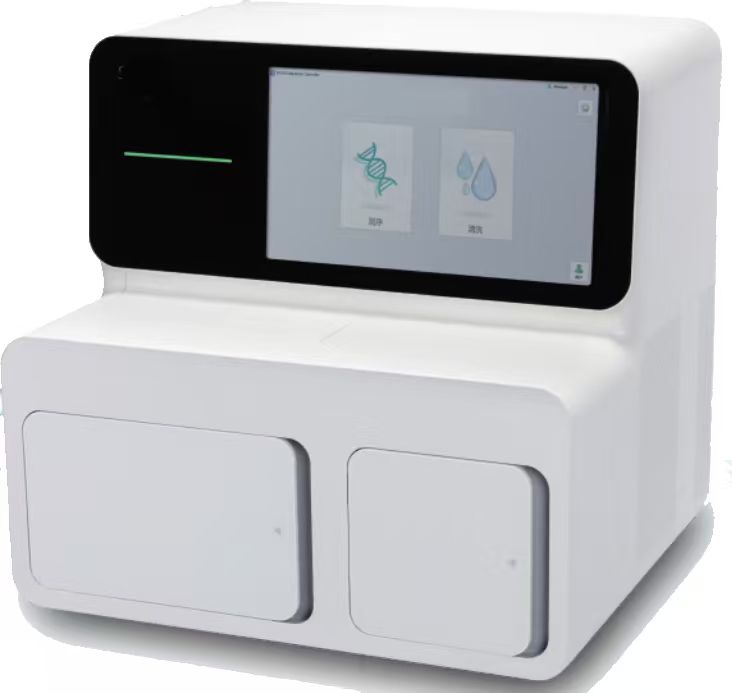
The term "third-generation DNA sequencing platform" refers to a class of advanced instruments that analyze genetic material using long-read sequencing technology. Unlike earlier methods that break DNA into short fragments, these platforms can read exceptionally long, continuous stretches of a DNA molecule. This capability is particularly transformative for forensic genomics, where obtaining a complete genetic picture from complex or damaged evidence is paramount. The fundamental shift lies in observing the DNA sequence in real-time as a single molecule passes through a detection system.
To appreciate this advancement, it is helpful to understand its predecessors. Traditional Sanger sequencing, a gold standard for decades, is highly accurate but low in throughput, making it impractical for analyzing complex forensic mixtures. Next-generation sequencing (NGS) methods brought massive parallel analysis, revolutionizing throughput for short-read sequences. However, third-generation platforms transcend these by providing the long-range genomic context that short reads often miss, enabling a more holistic view of the genetic material present in a sample, which is crucial for challenging forensic evidence.
Defining Long-Read Sequencing Technology for Forensic Genomics
Long-read sequencing technology is the cornerstone of third-generation platforms. It allows scientists to sequence DNA fragments that are tens of thousands to even millions of base pairs in length. In a forensic context, this means that repetitive regions of the genome, which are notoriously difficult to assemble from short reads, can be spanned and analyzed in a single read. This technology directly addresses limitations in analyzing degraded DNA samples, where the genetic material is broken into smaller pieces; longer reads have a higher chance of capturing intact, informative regions that shorter reads would fail to assemble correctly.
Key Differences from Sanger and Next-Generation Sequencing (NGS) Methods
The primary distinction from Sanger sequencing is the scale and approach. While Sanger is a capillary electrophoresis-based method best for confirming specific sequences, third-generation sequencing is a scalable, high-throughput platform designed for *de novo* analysis of unknown or mixed samples. Compared to NGS, the most significant difference is read length. NGS excels at generating billions of short reads, perfect for counting variations but poor at resolving structural variations or haplotypes. Third-gen sequencing sacrifices some of that raw volume for long-range connectivity, providing phase information—knowing which variants are on the same chromosome—which is invaluable for separating contributors in a DNA mixture and for advanced kinship analysis.
Core Advantages of Third-Gen Sequencing for Forensic DNA Labs
Integrating a third-generation DNA sequencing platform into a forensic laboratory unlocks several core advantages that directly enhance casework capabilities. The most prominent benefit is the unparalleled resolution it provides for interpreting complex biological evidence. This technology moves beyond simple identification to offer a deeper, more informative genetic profile from samples previously considered too challenging for standard methods.
Unparalleled Resolution for Complex Mixtures and Degraded Samples
The ability to generate long reads fundamentally improves mixture deconvolution. When DNA from multiple individuals is present, long reads can often span multiple genetic markers in a single pass, effectively linking them together on a single contributor's chromosome. This physical linkage makes it computationally easier to separate the profiles of individuals within the mixture. For degraded samples, where DNA is fragmented, the long-read approach can capture larger intact fragments that still contain multiple informative sites, increasing the chance of obtaining a usable profile from limited or damaged evidence.
Direct Detection of Epigenetic Markers and Base Modifications
Beyond the primary DNA sequence (the order of A, T, C, and G), our cells use chemical modifications to regulate gene activity. These epigenetic markers, such as DNA methylation, can carry tissue-specific signatures and even change with age or environmental exposure. A key feature of some third-generation sequencing chemistries is that they can detect these base modifications directly during the sequencing process, without requiring additional, separate laboratory steps. This opens a new dimension in forensic analysis for predicting the tissue source of a sample or potentially estimating a donor's age, adding layers of intelligence to an investigation.
Enhanced Capabilities in Microbial Forensics and Ancestry Informative Markers (AIMs)
The long-read capability also profoundly benefits areas beyond human identification. In microbial forensics, analyzing the complete genome of a bacterium or virus from a biothreat sample is crucial for attribution and investigation. Long reads allow for the rapid and accurate assembly of these microbial genomes. Similarly, for ancestry informative markers (AIMs), long reads provide superior haplotype information across large genomic regions. This offers more precise biogeographic ancestry estimates than what is possible with disconnected short-read data, aiding investigative leads in cases with no suspect match in criminal DNA databases.
Essential Features of a Forensic-Grade Sequencing Platform
Not all sequencing platforms are created equal for the rigorous demands of forensic science. A forensic-grade third-generation DNA sequencing platform must be more than just a research instrument; it needs to be engineered for the specific workflow, data integrity, and reliability requirements of a casework laboratory. Key features ensure that the technology can be seamlessly adopted and produce court-admissible results.
High-Throughput Workflow Integration with Laboratory Information Management Systems (LIMS)
A critical feature is the platform's ability to integrate into an existing forensic laboratory workflow. This includes compatibility with robotic liquid handlers for sample preparation and, most importantly, bidirectional integration with the laboratory's Laboratory Information Management System (LIMS). A robust LIMS interface allows for automated sample tracking, chain of custody maintenance, and direct transfer of sequencing run parameters and resulting data files. This integration minimizes manual data entry errors, streamlines the process from evidence to analysis, and ensures full audit trails required for accreditation standards like ISO 17025.
Real-Time Data Analysis and Forensic-Specific Bioinformatics Software
The value of sequencing data is realized in its analysis. A forensic-grade platform should be supported by dedicated bioinformatics software designed for forensic applications. This software must perform real-time basecalling and analysis, providing initial results as the run progresses. More importantly, it needs to include forensic-specific analysis modules for tasks such as mixture deconvolution, kinship likelihood ratio calculations, and ancestry or phenotypic marker prediction. The software should produce clear, interpretable reports that forensic DNA analysts can use to form conclusions, with all algorithms and parameters fully documented and validated for forensic use.
Robustness and Reliability for Demanding Casework Environments
Forensic laboratories operate on tight schedules with evidentiary samples that are often unique and irreplaceable. Therefore, the instrumentation must demonstrate exceptional robustness and reliability. This includes consistent performance across runs, minimal unplanned downtime, and resilience to minor environmental fluctuations. The platform's mechanical and fluidic systems must be designed for ease of maintenance by trained laboratory personnel, with clear error reporting and troubleshooting guides. Reliability extends to the consistency of the sequencing reagents and consumables, ensuring that validation data remains applicable over the long term and across different reagent lots.
Integrating Third-Generation Sequencing into Your Forensic DNA Laboratory
The decision to adopt a third-generation DNA sequencing platform is significant and requires careful planning. Successful integration is a multi-stage process that extends beyond the purchase of the instrument itself. It involves assessing current laboratory infrastructure, validating the new technology for casework, and ensuring personnel are expertly trained.
Assessing Your Lab's Readiness: Infrastructure and Personnel Requirements
Before acquisition, a laboratory must conduct a thorough readiness assessment. Infrastructure considerations include physical space for the instrument and its associated computer servers, which may have specific power, cooling, and networking needs. The computational requirements for storing and analyzing long-read sequencing data are substantial, necessitating investment in high-performance computing resources or cloud-based solutions. Equally important is personnel readiness. The laboratory must have or train analysts who possess a strong understanding of molecular genetics, sequencing biochemistry, and bioinformatics principles to operate the platform and interpret the complex data it generates.
Step-by-Step Implementation: From Validation to Operational Casework
Implementation follows a structured path. After installation, the first phase is an internal validation study. This involves testing the platform with known and challenging samples—such as complex mixtures, degraded DNA, and samples of various quantities—to establish its performance characteristics (sensitivity, specificity, reproducibility, and mixture thresholds) under the laboratory's specific conditions. This validation data forms the basis for the laboratory's standard operating procedures (SOPs). Once validated, the technology undergoes a pilot phase on non-critical cases before being fully integrated into operational casework, ensuring a smooth transition and building analyst confidence.
Complementary Forensic Lab Equipment and Consumables
The sequencing platform is the centerpiece, but it functions as part of an ecosystem. Effective integration requires compatible upstream and downstream equipment. This includes high-quality DNA extraction systems capable of producing long, intact DNA fragments, quantification instruments suitable for long-read library preparation, and precise thermal cyclers. The ongoing supply of validated forensic consumables—from specific library preparation kits and sequencing reagents to flow cells and sample tubes—must be reliable and consistent. A holistic view of the entire workflow ensures efficiency and maintains the quality standards required for forensic analysis.
The Underlying Logic of How DNA Sequencers Read Single Nucleotide Polymorphisms in Paternity Labs
Explore the step-by-step molecular logic of how DNA sequencers read single nucleotide polymorphisms SNPs in paternity labs. From PCR amplification and single-base extension to capillary...
Practical Cases of Third-Generation DNA Sequencing Platforms in Forensic Mixture Deconvolution
Explore practical cases of third-generation DNA sequencing platforms resolving complex forensic mixtures. Learn how long-read technology separates contributor profiles, handles degraded samples, and...
How to Use Third-Generation DNA Sequencing Platform to Improve Forensic Case Detection Efficiency
Discover how third-generation DNA sequencing platforms enhance forensic case detection through long-read technology, improved mixture deconvolution, and higher success rates with degraded and trace...
Get a Quote
Contact our sales staff, tell us your needs, and we will provide you with the most suitable solution.
Contact Now