What is a Buccal DNA Collection Card?
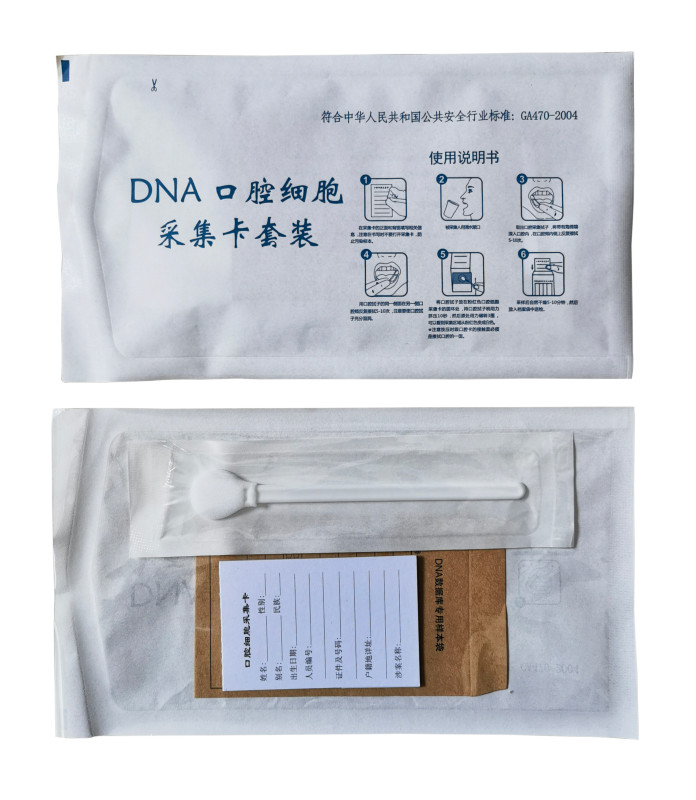
A buccal DNA collection card is a specialized tool designed for the secure and straightforward gathering of biological material from the inside of a person's cheek. In the context of forensic science, its primary purpose is to obtain a reliable reference DNA sample from individuals such as suspects, victims, or known persons for comparison with evidence collected from a crime scene. This method provides a crucial baseline profile that is essential for identification and exclusion processes in forensic DNA analysis.
The fundamental components of these cards include a treated collection paper, often housed within a protective card. This paper is engineered to bind cellular material effectively. A critical feature is the integrated drying matrix, which rapidly desiccates the sample to preserve the integrity of the DNA by inhibiting bacterial growth. Finally, each card is typically accompanied by a protective barrier envelope or pouch, which safeguards the sample from environmental contamination and physical damage during transport and storage, ensuring the chain of custody is maintained from the moment of collection.
Definition and Purpose in Forensic DNA Collection
Forensic DNA collection using buccal cards is defined by its non-invasive protocol and its role in establishing definitive genetic references. The purpose extends beyond mere sample acquisition; it is the foundational step in creating a verifiable genetic record that can be used in legal proceedings. The stability of DNA on these cards allows laboratories to build long-term databases, which are invaluable for solving cold cases or identifying remains in mass disaster scenarios.
Key Components: Collection Paper, Drying Matrix, and Protective Packaging
The collection paper is not ordinary paper; it is chemically treated with substances that lyse cells upon contact and bind the released DNA, preventing its degradation. The drying matrix works in concert with this paper, pulling moisture away to create a stable environment that locks the genetic material in place. This combination is what allows for room-temperature storage. The protective packaging is then the final, critical layer, acting as a physical shield and often including space for essential information like donor details, collection date, and a unique barcode, which are all vital for sample tracking and integrity.
Advantages of Using Buccal DNA Collection Cards
The adoption of buccal DNA collection cards offers significant benefits for forensic workflows. Firstly, the non-invasive nature of the procedure enhances donor compliance and comfort, which is particularly important when dealing with vulnerable individuals or in large-scale sampling operations. This method eliminates the discomfort associated with blood draws, making it a preferred choice for paternity testing and population genetics studies that feed into forensic databases.
Furthermore, these cards are engineered for high DNA yield and exceptional stability. The technology behind the card's substrate ensures that a sufficient quantity of genetic material is captured and preserved in a state that resists degradation over years, even under non-refrigerated conditions. This longevity is paramount for forensic casework, where evidence may need to be re-tested years after the initial collection. Additionally, the standardized format of the cards simplifies the chain of custody. Each step, from collection to laboratory analysis, can be meticulously documented and tracked, reducing administrative burden and minimizing the risk of handling errors or sample mix-ups.
Non-Invasive Sampling: Safe and Comfortable for Donors
Non-invasive sampling via a buccal swab is a procedure that can be performed with minimal training and no medical supervision. The donor simply rubs a swab against the inner cheek to collect buccal epithelial cells. This safety and comfort are crucial in forensic contexts to ensure cooperation and to uphold ethical standards, especially when collecting samples from minors or in sensitive legal situations. The simplicity also allows for collection in diverse field settings outside of a clinical environment.
High DNA Yield and Stability: Optimal Preservation for Long-Term Storage
The yield of DNA from a properly collected buccal sample is consistently high and of quality suitable for modern forensic analysis techniques, including STR profiling and next-generation sequencing. The stability is achieved through the card's desiccant properties, which halt enzymatic and microbial activity that would otherwise break down DNA. This optimal preservation means forensic DNA labs can archive reference samples with confidence, knowing the genetic information will remain viable for future re-analysis or for entry into missing persons databases, serving justice even decades later.
Simplified Chain of Custody: Streamlined Evidence Handling and Documentation
A robust chain of custody is the backbone of forensic admissibility. Buccal collection cards are designed to integrate seamlessly into this process. Many cards come with pre-printed, unique identifiers and barcodes. This allows every individual involved in the sample's journey—from the collector to the lab technician—to log their actions electronically or on paper, creating an immutable audit trail. This streamlined documentation is essential for maintaining sample integrity and for presenting unassailable evidence in court.
How to Use Buccal DNA Collection Cards: Step-by-Step Protocol
A proper swabbing technique is the first and most critical step in the protocol. The collector must use firm pressure to rub the swab against the inner cheek and gum line for the recommended duration, typically 30 to 60 seconds, to ensure an adequate transfer of buccal cells. It is vital to avoid touching the swab tip to any other surface to prevent contamination. For optimal results, some protocols recommend not eating or drinking for a short period prior to collection.
Following collection, the swab tip is pressed onto the designated area of the collection card. The card must then be allowed to dry completely at ambient temperature, away from direct heat and sunlight, for a specified period, usually several hours. This drying phase is crucial as it activates the preservation matrix. Once dry, the card is placed in its protective barrier envelope. Adherence to these drying and storage guidelines is non-negotiable for preventing microbial contamination and DNA degradation, which could render the sample useless for analysis.
Proper Swabbing Technique: Ensuring Sufficient Buccal Cell Collection
Ensuring sufficient buccal cell collection requires more than a quick swipe. The technique involves systematically scraping the inside of both cheeks to harvest a robust population of epithelial cells. Training for forensic personnel emphasizes this consistent, vigorous technique to guarantee that the DNA yield meets the minimum thresholds required for downstream processing, such as PCR amplification, without the need for a recollection, which can delay investigations.
Drying and Storage Guidelines: Preventing Contamination and Degradation
Preventing contamination and degradation begins the moment the sample is on the card. Drying should occur in a clean, dedicated space to avoid cross-contamination from other samples or environmental DNA. Once sealed in its protective packaging, the card should be stored in a cool, dry place. For long-term archiving, conditions with stable, low humidity are ideal. These protocols ensure that the DNA remains in a state that is compatible with sensitive extraction chemistries used in forensic DNA labs.
Sample Submission and Lab Processing Workflow
The sample submission workflow involves logging the sealed card into a tracking system, often by scanning its barcode, and transporting it to the laboratory under secure conditions. Upon receipt, the lab's quality assurance program dictates a check-in procedure to verify the integrity of the packaging and the accompanying documentation. The card is then typically processed by punching a small disc from the sample area, which is then subjected to DNA extraction. This punch-and-process method is highly efficient and easily automated, fitting seamlessly into high-throughput forensic DNA analysis pipelines.
Key Features of High-Quality Buccal DNA Collection Cards
High-quality buccal DNA collection cards are distinguished by their chemically treated paper. This treatment is engineered for dual functionality: first, to rapidly lyse cells upon contact for immediate DNA stabilization, and second, to allow for efficient DNA release during the extraction process in the lab. This balance between strong binding and easy elution is critical for maximizing recovery rates and ensuring the success of subsequent genetic analysis.
Another indispensable feature is integrated barcoding and tracking. Each card should possess a unique, machine-readable identifier. This barcode is linked to the donor's information in a database, ensuring sample integrity and full traceability throughout the entire forensic workflow, from collection to data reporting. Furthermore, in today's efficient forensic DNA labs, compatibility with automated DNA extraction systems is a major advantage. Cards designed to work with robotic workstations allow labs to process hundreds of samples simultaneously with minimal manual intervention, reducing turnaround times and the potential for human error.
Chemically Treated Paper for Enhanced DNA Binding and Release
The chemical treatment on the collection paper is a sophisticated formulation. It may include detergents for cell lysis and compounds that protect DNA from nucleases. The paper's fibrous structure is optimized to act as a scaffold, holding the DNA securely but not irreversibly. When the punch is placed in an extraction buffer, the chemistry facilitates the DNA's migration into solution, ensuring a clean and concentrated yield that is ideal for sensitive downstream applications like capillary electrophoresis.
Barcoding and Tracking: Ensuring Sample Integrity and Traceability
Barcoding is the cornerstone of modern sample management. A high-quality 2D barcode can store extensive information and is resistant to smudging or damage. When scanned at each stage of the process, it creates a digital chain of custody log. This traceability is paramount for forensic labs, as it provides definitive proof that the DNA profile generated in the lab originated from the specific individual who provided the buccal sample, a fact that must be defensible in a court of law.
Compatibility with Automated DNA Extraction Systems
Compatibility with automated systems is a key consideration for labs looking to scale their operations. Cards must be dimensionally consistent and durable enough to be handled by robotic arms. The punch obtained from the card must also disintegrate predictably in standard extraction plates or tubes. This seamless integration into automated platforms allows forensic DNA labs to achieve higher throughput, better reproducibility, and more consistent results, which are essential for managing large caseloads or database projects.
Applications in Forensic DNA Labs and Beyond
Within crime scene investigations, buccal cards are the standard for collecting known reference samples. Comparing the DNA profile from a bloodstain or hair found at a scene to a profile generated from a suspect's buccal card can provide conclusive evidence of presence or exclusion. Similarly, collecting samples from victims or their family members can aid in identification. This application is fundamental to solving violent crimes, sexual assaults, and property crimes where biological evidence is left behind.
The utility of these cards extends powerfully into paternity testing and kinship analysis. Courts routinely accept DNA results from buccal collections for establishing legal parentage, determining inheritance rights, or resolving immigration cases. The non-invasive method is especially suited for testing children. Moreover, in the tragic event of a mass disaster or for the ongoing work of identifying missing persons, buccal cards from family members provide the reference profiles needed to match against unidentified remains. These samples are often stored in national DNA databases, creating a lasting resource for humanitarian and forensic identification.
Crime Scene Investigations: Reference Sample Collection from Suspects and Victims
In criminal investigations, the buccal card serves as the uncontroversial source of a known DNA profile. Its collection is a controlled procedure, often witnessed and documented, which stands in contrast to the unknown and potentially degraded nature of crime scene evidence. Having a high-quality reference profile from a buccal card allows forensic analysts to make clear, unambiguous comparisons, which is the ultimate goal of forensic DNA analysis in the judicial process.
Paternity Testing and Kinship Analysis: Reliable DNA Sampling for Legal Cases
For legal paternity testing, the reliability and documented chain of custody provided by buccal card collection are mandatory. The process ensures that the samples being analyzed are indisputably from the claimed individuals. This reliability is equally critical in broader kinship analysis, such as in immigration cases to prove biological relationships or in historical investigations to identify remains through familial searching techniques against forensic DNA databases.
Mass Disaster Identification and Missing Persons Databases
During mass fatality incidents, rapid and accurate identification is a priority. Buccal cards enable the efficient collection of family reference samples (FRS) from relatives. The stability of DNA on these cards means profiles can be generated and entered into databases like the FBI's National Missing and Unidentified Persons System (NamUs) or INTERPOL's DNA database, where they can be compared against profiles from recovered remains. This application underscores the cards' role not just in law enforcement, but in providing closure to families.
Choosing the Right Buccal DNA Collection Card for Your Lab
Selecting the appropriate buccal DNA collection card requires evaluating several technical factors. The absorption capacity of the paper determines how much biological fluid it can hold, which correlates with potential DNA yield. Inhibition resistance is another critical feature; the card's chemistry should neutralize common PCR inhibitors found in saliva, ensuring clean downstream analysis. Finally, consider the stated shelf life of the un-used cards and the long-term stability of DNA on collected cards, as this impacts inventory management and archival policies.
When comparing different brands and formulations, forensic labs should look for products that are widely cited in peer-reviewed literature and used by reputable agencies. It is also prudent to request validation data from the manufacturer, demonstrating performance in real-world forensic DNA analysis protocols. Furthermore, many suppliers offer valuable customization options, such as pre-printed labels with your lab's logo, specific barcode formats, or even custom chemical treatments to suit specialized extraction methods, allowing for a more integrated and branded workflow.
Factors to Consider: Absorption Capacity, Inhibition Resistance, and Shelf Life
Absorption capacity ensures that an adequate sample volume is retained. Inhibition resistance is vital because saliva contains substances that can block the enzymes used in PCR, leading to failed or partial DNA profiles. A high-quality card will include reagents to chelate these inhibitors. The shelf life, both of the blank cards and the collected samples, is a practical concern for procurement and casework planning, ensuring that materials are effective when needed and that stored evidence retains its probative value.
Comparing Different Brands and Formulations for Forensic Use
A forensic-grade comparison should focus on empirical performance metrics: DNA yield, profile success rates from low-quantity samples, consistency across batches, and compatibility with the lab's established extraction and amplification kits. It is advisable to conduct an internal validation study before committing to a large purchase. The choice often comes down to which card provides the most robust and reliable results within the lab's specific technical and operational framework.
Customization Options: Pre-Printed Labels and Lab-Specific Branding
Customization goes beyond convenience; it enhances professionalism and security. Pre-printed labels can include unique sequential numbers, collection date fields, and donor information areas, standardizing the documentation process. Lab-specific branding on the card or envelope reinforces the chain of custody by clearly marking the sample as part of your laboratory's system from the point of collection, reducing the risk of confusion with samples from other sources.
Best Practices for Buccal DNA Sample Collection and Handling
Adhering to best practices is essential to avoid common errors that can compromise a case. Contamination prevention starts with the collector wearing gloves and changing them between donors. The donor should not have eaten, drunk, or smoked immediately before collection. Ensuring sample adequacy involves visually checking the card after swabbing to confirm a visible smear has been transferred. These simple yet critical steps are the first line of defense in generating reliable forensic DNA data.
Comprehensive training requirements must be established for all personnel involved in collection, including forensic field investigators and law enforcement officers. This training should cover the full protocol, the rationale behind each step, and trouble-shooting for common issues. Finally, the use of buccal cards should be fully integrated into the lab’s quality assurance program. This includes regular audits of collection kits, proficiency testing for collectors, and clear standard operating procedures (SOPs) that define acceptance criteria for incoming samples, ensuring every profile generated meets the high standards required for forensic reporting.
Avoiding Common Errors: Contamination Prevention and Sample Adequacy
Common errors often involve cross-contamination between samples or from the environment. Using single-use, sterile swabs and allowing cards to dry in separate, clean areas mitigates this risk. Sample adequacy errors occur when insufficient cells are collected, leading to low DNA yield. Training emphasizes the correct swabbing pressure and duration, and some protocols recommend collecting multiple swabs per individual to serve as backups, ensuring the forensic DNA lab always has a viable sample to process.
Training Requirements for Forensic Personnel and Field Investigators
Effective training programs for forensic personnel are hands-on and scenario-based. They must instill the importance of the chain of custody documentation as part of the physical act of collection. Field investigators need to be trained to collect samples in less-than-ideal conditions while still maintaining protocol integrity. Certification and periodic re-training ensure that all team members maintain the high level of competency required for their samples to withstand legal scrutiny.
Integrating Collection Cards into Your Lab’s Quality Assurance Program
Integration into a QA program means establishing documented controls. This includes lot-testing new shipments of cards, maintaining records of kit distribution, and defining clear rejection criteria for samples that arrive damaged, improperly dried, or with incomplete paperwork. By treating the collection card as the first critical piece of analytical equipment in the DNA workflow, labs can significantly enhance the overall reliability and admissibility of their genetic analysis results.
Frequently Asked Questions (FAQs) About Buccal DNA Collection Cards
A common question is regarding the viability of DNA stored on a collection card. When stored properly in a cool, dry environment away from direct sunlight, DNA on high-quality forensic buccal cards can remain stable and suitable for analysis for many years, often decades. This long-term stability is what makes them ideal for creating permanent reference databases for missing persons or convicted offender programs.
Many labs also inquire about the suitability of buccal cards for high-throughput DNA analysis. The answer is a definitive yes. The standardized format and compatibility with automated punching and extraction systems make buccal cards one of the most efficient sample types for processing large batches. This efficiency is crucial for database labs that may process thousands of samples monthly. Finally, understanding the differences between buccal cards and other methods, like blood draws or saliva tubes, is important. While blood can yield high-molecular-weight DNA, buccal collection is safer, simpler, and provides more than enough quality DNA for standard forensic STR profiling, with the added benefit of easier storage and transport logistics.
How Long Can DNA Stored on a Collection Card Remain Viable?
The viability of DNA is a function of storage conditions. Under optimal, controlled storage, studies have shown that DNA profiles can be successfully generated from cards stored for over 15 years. The key factors are preventing humidity, which can lead to mold growth, and avoiding extreme heat, which can accelerate chemical degradation. For forensic archives, this proven longevity is a key asset.
Are Buccal Cards Suitable for High-Throughput DNA Analysis?
Buccal cards are exceptionally suitable for high-throughput analysis. Their uniform size and shape allow them to be fed into automated systems that can barcode-scan, punch, and transfer samples to 96-well plates with minimal human intervention. This automation is the standard in large-scale forensic DNA operations, such as those supporting national DNA index systems, because it maximizes throughput, minimizes costs per sample, and reduces the potential for manual error.
What Are the Differences Between Buccal Cards and Other DNA Collection Methods?
The primary differences lie in the sample type, collection procedure, and storage requirements. Blood collection requires a phlebotomist, carries biohazard risks, and often needs refrigeration. Saliva collection tubes (like Oragene) preserve DNA in a liquid buffer but can be bulky and require careful sealing. Buccal cards offer a dry, room-temperature stable system that is incredibly space-efficient for storage and logistically simple for collection and shipping, making them the preferred balance of practicality, safety, and performance for most forensic reference sampling needs.
Partner with Forensic DNA Labs for Your Buccal Collection Needs
At Forensic DNA Labs, we provide a curated selection of certified buccal DNA collection cards and complete collection kits. Our products are sourced from leading manufacturers and are validated for use in forensic casework and database applications. We understand that every laboratory has unique requirements, and we offer products that meet the highest standards for DNA yield, inhibitor resistance, and chain of custody documentation.
Our partnership extends beyond product supply to include expert support. Our team, comprised of professionals with deep experience in forensic science, is available to assist you from the initial product selection phase through to protocol optimization in your lab. We can help you design a collection workflow that integrates seamlessly with your existing DNA analysis pipeline, whether it involves manual processing or fully automated platforms.
We are committed to simplifying the procurement process for forensic laboratories. We offer streamlined ordering systems, competitive bulk pricing, and reliable logistics to ensure you receive the supplies you need, when you need them. Partner with Forensic DNA Labs to equip your team with reliable buccal collection tools and the support necessary to maintain the integrity and efficiency of your forensic DNA operations.
Our Selection of Certified Buccal DNA Collection Cards and Kits
Our inventory features only those buccal DNA collection cards that have been rigorously tested and are widely accepted in the forensic community. Each kit we offer is complete, typically including sterile swabs, the treated collection cards, protective barrier envelopes, and detailed instructions for use. We ensure that every component meets the stringent demands of forensic evidence collection and handling.
Expert Support: From Product Selection to Protocol Optimization
Our expert support is a key differentiator. We can guide you through the specifications of different card chemistries to match your extraction methods, advise on barcoding solutions for your laboratory information management system (LIMS), and provide templates for training materials and standard operating procedures. We are here as a resource to help you achieve optimal results from your buccal sample collection program.
Streamlined Procurement and Bulk Ordering for Forensic Laboratories
We recognize that forensic laboratories operate under budget constraints and tight timelines. Our streamlined procurement process is designed for efficiency, with easy online ordering, dedicated account management, and flexible bulk ordering options that provide significant cost savings. Our goal is to ensure that accessing high-quality forensic supplies is straightforward, allowing you to focus on your core mission of scientific analysis and justice.
Get a Quote
Contact our sales staff, tell us your needs, and we will provide you with the most suitable solution.
Contact Now