What Are Biological Evidence Bags?
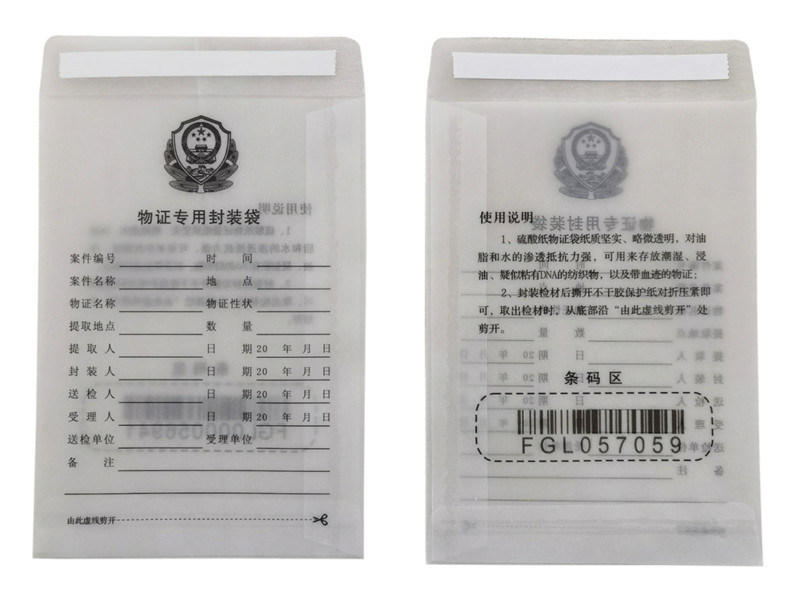
In the meticulous world of forensic science, the journey of a sample from a crime scene to the DNA analyzer is safeguarded by a critical first line of defense: the biological evidence bag. These are not ordinary bags. They are specialized containers engineered to preserve the integrity of biological materials, such as blood stains, buccal swabs, or hair follicles, from the moment of collection. Their primary role is to act as a secure, uncontaminated vessel that protects the sample's biological information from degradation or compromise, ensuring that the DNA profile generated in the laboratory is a true and reliable representation of the original evidence.
The construction of these bags involves carefully selected materials. A high-quality forensic evidence bag will feature robust, puncture-resistant plastics or specialized paper composites that provide an effective barrier. This material science is crucial for maintaining a stable internal environment, shielding contents from external moisture, vapors, and potential contaminants that could interfere with subsequent DNA extraction and amplification processes in the lab. The integrity of this barrier is a foundational element in preserving forensic evidence for analysis.
Selecting the Right Biological Evidence Bag for Your Lab
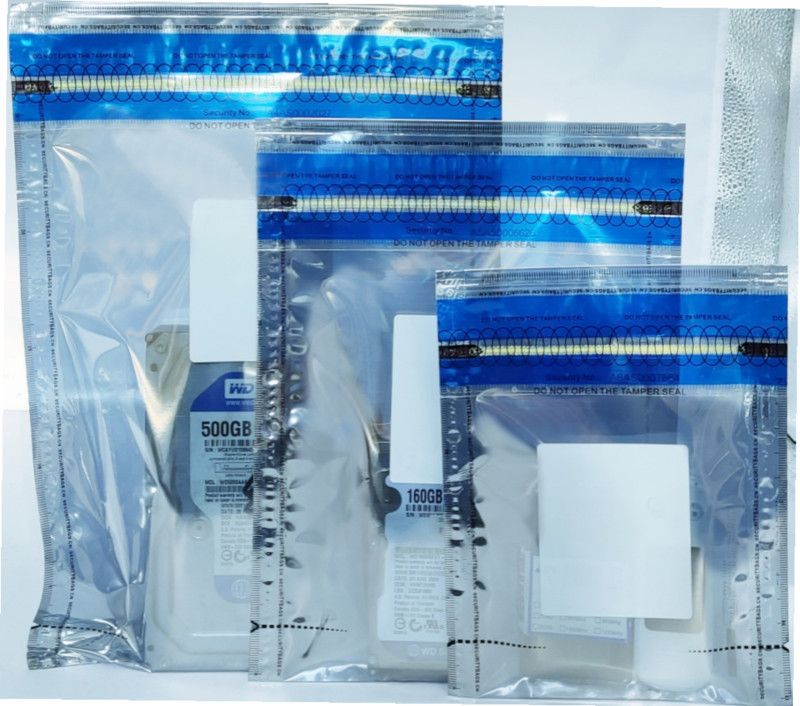
The diversity of evidence encountered in forensic casework necessitates a range of specialized biological evidence bags. A one-size-fits-all approach is insufficient for maintaining optimal sample integrity. The selection process must consider the physical size and nature of the item, the type of biological material present, and the specific analytical protocols of the receiving DNA laboratory. Using an appropriately sized and specified bag prevents sample movement and damage during transit and ensures the bag's barrier properties are effectively matched to the sample's preservation requirements.
For instance, a large, absorbent item like a piece of clothing requires a bag with different characteristics than a small, liquid blood sample. Laboratories and crime scene units must therefore maintain an inventory of various bag types to handle everything from a single hair to a large weapon. Furthermore, many forensic suppliers offer complete evidence collection kits, which pair the correct bag with other necessary items like swabs, gloves, and documentation forms, streamlining the collection process and ensuring compliance with standard operating procedures.
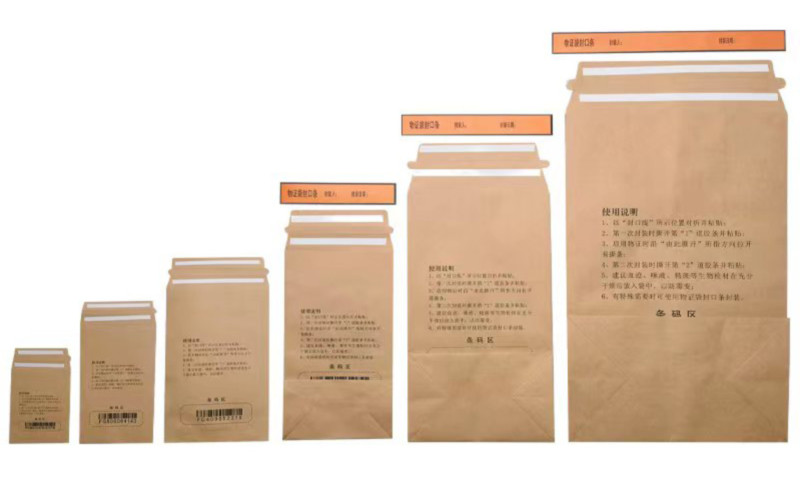
We offer evidence bags in a variety of materials and sizes, including paper, plastic, and anti-static.
Essential Features of High-Quality Forensic Evidence Bags
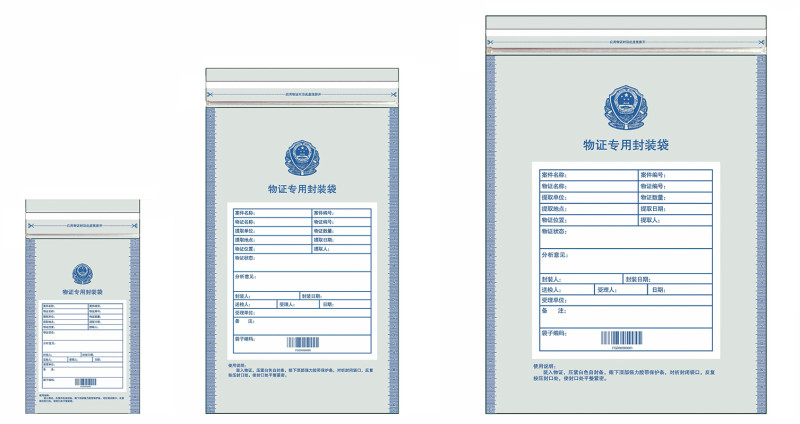
Selecting the right biological evidence bag requires an understanding of the features that define professional-grade supplies. A superior bag integrates several non-negotiable characteristics that work in concert to protect the sample and the legal process. It begins with a secure closure mechanism that is both easy for authorized personnel to use and impossible to bypass without leaving clear signs of interference. The bag's body must then maintain a consistent internal microenvironment, guarding against external humidity, airborne contaminants, and physical damage throughout the often-lengthy forensic workflow.
Beyond containment, the bag must also facilitate flawless documentation. A permanent, non-smudge writing surface is essential for recording critical case information, collector details, and dates. Many modern evidence bags incorporate integrated labels or dedicated areas for barcodes, which streamline evidence tracking within a laboratory information management system (LIMS). For samples destined for sensitive DNA or RNA analysis, the bag's material must also be certified free of nucleases—enzymes that can degrade genetic material—and often be sterilized to eliminate background biological contamination that could confound results.
Tamper-Evident Seals and Closures for Unbroken Chain of Custody
The tamper-evident seal is the cornerstone of an evidence bag's security function. These are not simple adhesive flaps. High-integrity seals are engineered to bond permanently with the bag material. When removed, they typically tear the bag's surface or leave behind a patterned residue that clearly reads "OPENED" or "VOID." This irreversible alteration provides instant, unambiguous evidence of any unauthorized access attempt. Some systems employ numbered security seals or heat seals for an even higher level of assurance. This visible guarantee of integrity is what allows the bag to serve as a trusted link in the chain of custody documentation.
Critical Barrier Properties: Moisture, Vapor, and Contaminant Protection
The protective role of an evidence bag hinges on its barrier properties. Biological samples are highly susceptible to environmental changes. Moisture loss can desiccate a sample, making DNA extraction difficult, while excess humidity can promote mold or bacterial growth that consumes the sample. A high-quality bag acts as a shield, constructed from materials with low moisture vapor transmission rates (MVTR). This creates a stable microclimate inside the bag. Furthermore, the material must be a barrier against external contaminants like dust, fibers, or chemical vapors that could be introduced during storage or transport and later be mistaken for evidence from the original scene.
Permanent Writing Surfaces and Integrated Documentation Labels
Accurate and lasting documentation is as vital as physical security. Forensic evidence bags are designed with this need in mind, featuring surfaces that accept permanent ink from markers without smudging, running, or fading over time, even when exposed to moisture or cold. Many bags go a step further by including pre-printed, integrated labels with fields for all necessary case information—item number, collector's initials, date, time, and location. This design minimizes errors and ensures standardization across an agency or laboratory. For high-volume labs, bags compatible with direct thermal transfer printers for barcoding significantly enhance evidence tracking efficiency and reduce manual data entry.
Sterility and DNA/RNAase-Free Considerations for Sensitive Samples
When collecting samples for modern forensic DNA analysis, the container itself must not introduce any material that could interfere with the highly sensitive polymerase chain reaction (PCR) process. Therefore, bags intended for direct sample contact, such as those holding swabs, are often manufactured to be nuclease-free. This means they are certified to not contain DNases or RNases, enzymes that can rapidly degrade genetic material. Additionally, for certain applications like reference sample collection or to prevent cross-contamination from bag manufacturing debris, bags may be sterilized using gamma irradiation. This level of purity ensures that the genetic profile obtained originates solely from the evidence, not the packaging.
Best Practices for Using Biological Evidence Bags
Even the highest quality biological evidence bag is only as effective as the protocol governing its use. Adherence to best practices from the moment of collection is what transforms the bag from a simple container into a pillar of forensic integrity. The process begins with selecting the correct bag type for the evidence. Once the sample is placed inside, care must be taken to avoid overfilling, which can stress the seal, or allowing the sample to contact the adhesive area. The sealing process must be deliberate, ensuring the tamper-evident features are fully activated.
Immediately after sealing, comprehensive labeling is mandatory. This includes all relevant case information, which should be written on the bag's designated surface with a permanent marker. The collector must then initial or sign across the seal, physically linking their identity to the act of securing the evidence. From this point forward, the chain of custody documentation must meticulously track every transfer of the bag. Furthermore, storage and transportation conditions must align with the sample's needs—often cool, dry, and dark environments—to prevent biological degradation before the item reaches the DNA extraction workstation in the laboratory.
Proper Procedure: Filling, Sealing, Labeling, and Initialing
The standardized procedure for using an evidence bag is a foundational forensic skill. After donning gloves to prevent adding one's own DNA, the collector places the item into the bag, taking care not to let it touch the bag's exterior. Air is gently pressed out to minimize internal volume without crushing the sample. The adhesive liner is then removed, and the seal is firmly pressed shut, often by running a finger along its entire length to ensure a complete bond. Before the seal sets, the collector writes all required data on the bag. The final, critical step is signing or initialing directly onto the sealed edge. This act makes any subsequent breaking of the seal evident and formally assigns responsibility for the initial integrity of the package.
Maintaining the Chain of Custody from Crime Scene to DNA Laboratory
The biological evidence bag is the physical token in the chain of custody protocol. Each time the bag changes hands—from scene investigator to evidence transporter, to laboratory receiving technician, to the forensic biologist—the transfer must be recorded in a log. This log entry typically includes the date, time, recipient's name and signature, and the reason for the transfer. The bag itself, with its unique identifying number and tamper-evident seal, provides the physical proof that corresponds to these paper or digital records. This seamless link between the physical item and its documented history is essential for establishing the evidence's authenticity and reliability in any legal proceeding.
Storage and Transportation Guidelines to Preserve Sample Integrity
Once sealed and labeled, biological evidence often faces periods of storage and transport before analysis. Proper guidelines must be followed to preserve the sample's integrity. Most biological evidence, especially that intended for DNA analysis, should be stored in a cool, dry environment. Refrigeration or freezing is standard for long-term retention, and evidence bags must be constructed from materials that remain flexible and durable at low temperatures without becoming brittle. During transportation, bags should be placed in secondary containers to protect them from physical damage, light exposure, and extreme temperatures. Following these guidelines prevents pre-analytical degradation, ensuring the DNA laboratory receives a sample in the best possible condition for profiling.
Forensic DNA Labs: Your Partner in Evidence Collection
At Forensic DNA Labs, we understand that the integrity of a DNA profile begins long before the sample reaches the analyzer—it starts with the first point of collection. That's why we provide more than just analytical instruments; we offer a comprehensive suite of evidence collection products designed to meet the stringent requirements of modern forensic science. Our biological evidence bags are manufactured to the highest standards, ensuring compliance with industry best practices and accreditation body expectations. We serve as a reliable partner, supplying the foundational tools that safeguard the chain of custody from the field to the lab.
Our commitment extends beyond individual products. We offer complete, ready-to-use evidence collection kits tailored for specific purposes, such as sexual assault investigation or crime scene processing. For established laboratories, we provide customizable supply solutions, allowing you to streamline procurement and ensure consistency across your operations. Our expertise is also available to support your laboratory's setup, workflow design, and accreditation journey, helping you build a robust system where evidence integrity is assured at every stage, beginning with secure and proper collection.
Our Range of Compliant and Certified Biological Evidence Collection Bags
We offer a curated selection of biological evidence bags that cater to every forensic need. Our product line includes small swab bags with secure attachment points, a variety of medium and large pouches for diverse evidence types, and specialized bags for liquids and arson debris. Each product in our range is designed with critical features: reliable tamper-evident seals, superior barrier materials, permanent writing surfaces, and certifications for nuclease-free or sterile status where applicable. We ensure our bags meet the practical demands of casework and the formal requirements for maintaining an unbroken chain of custody.
Complete Evidence Collection Kits and Customizable Lab Supply Solutions
To simplify and standardize the collection process, Forensic DNA Labs supplies pre-assembled evidence collection kits. These kits contain all necessary components—from the appropriate biological evidence bags and swabs to gloves, labels, and documentation forms—packaged together for a specific application. This eliminates guesswork and ensures collectors have the right tools on hand. For larger forensic laboratories, we work directly with managers to develop customizable supply agreements. This can include bundling products, implementing just-in-time delivery schedules, and creating branded kits, all aimed at optimizing your laboratory's efficiency and supply chain reliability.
Expert Support for Forensic Laboratory Setup and Accreditation Workflows
Establishing or maintaining an accredited forensic DNA laboratory involves complex workflows where evidence handling is paramount. Our team provides expert consultation on integrating proper evidence collection and packaging protocols into your laboratory's standard operating procedures (SOPs). We can advise on product selection that supports compliance with standards from bodies like ANSI/ASB or ISO/IEC 17025. By choosing Forensic DNA Labs as a supplier, you gain a partner invested in the total integrity of your forensic process, from the selection of the first evidence bag to the generation of the final DNA report.
Frequently Asked Questions About Biological Evidence Bags
Professionals selecting evidence collection supplies often have specific questions regarding the application and specifications of biological evidence bags. Understanding the distinctions between product types and their appropriate uses is crucial for maintaining sample integrity and procedural compliance. Below, we address some of the most common inquiries we receive from forensic laboratory managers and crime scene investigators to help guide informed decision-making for your agency or lab.
What is the difference between evidence bags and biohazard bags?
While both may be used to contain biological materials, their purposes and standards differ significantly. A biological evidence bag is engineered specifically for forensic integrity. Its core features—tamper-evident seals, permanent documentation surfaces, and controlled barrier properties—are all designed to preserve the legal chain of custody and the sample's analytical suitability. A biohazard bag, often red and marked with the universal biohazard symbol, is primarily designed for safe disposal of biomedical waste to protect personnel from infection risk. It generally lacks tamper-evident features and the strict barrier controls necessary for long-term evidence preservation. Using a biohazard bag for forensic evidence collection would compromise the chain of custody and likely violate standard forensic protocols.
How do I choose between paper and plastic forensic evidence bags?
The choice between paper and plastic depends largely on the moisture state of the evidence and the intended analysis. Plastic (polyethylene or nylon) bags provide an excellent barrier against moisture and contaminants, making them ideal for dry items, liquid samples in leak-proof containers, or evidence requiring protection from humidity. However, they can trap moisture inside. Paper bags, particularly breathable kraft paper bags, are the standard for moist or damp evidence like wet clothing or biological swabs that are not fully dry. They allow moisture to evaporate, preventing mold growth that can destroy DNA. For arson debris where volatile chemical analysis is needed, inert nylon bags are preferred to avoid interference from plastic off-gassing.
Are your evidence bags compatible with cold storage and long-term evidence retention?
Yes, the materials used in our high-quality biological evidence bags are selected and tested for durability under cold storage conditions. They are designed to remain flexible and maintain their seal integrity when refrigerated or frozen, preventing them from becoming brittle and cracking. This is essential for the long-term retention of evidence, which may be required by law for decades in some cases. Our bags also feature permanent, solvent-based printing and writing surfaces that resist fading, running, or smudging when exposed to condensation from freeze-thaw cycles. When following proper storage protocols, our evidence bags provide reliable protection for biological samples throughout their required retention period.
Get a Quote
Contact our sales staff, tell us your needs, and we will provide you with the most suitable solution.
Contact Now