What Are FTA Blood Collection Cards?
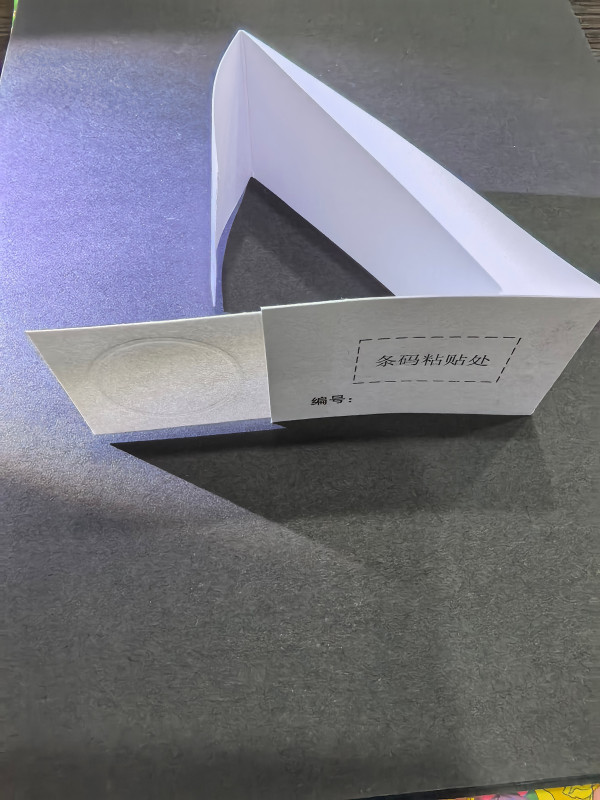
FTA (Flinders Technology Associates) cards are specialized filter papers treated with chemical reagents. Their primary function is to collect, stabilize, and preserve biological samples, most commonly blood, for subsequent DNA analysis. When a liquid sample is applied, the chemicals within the card matrix lyse cells, denature proteins, and protect the released DNA from degradation by environmental factors like bacteria, fungi, and UV light. This process effectively "locks" the genetic material in place on the card, creating a stable, dry record of the sample.
The technology behind these cards involves a carefully formulated blend of buffers, chelating agents, and free radical traps. These key components work in concert to achieve several critical goals. They rapidly inactivate nucleases that would otherwise break down DNA, and they prevent the growth of microorganisms that could contaminate the sample. This chemical treatment is what transforms ordinary paper into a powerful forensic tool, ensuring that the genetic information remains intact and analyzable for years, even when stored at ambient temperature. For maintaining an unbroken chain of custody, this stability is paramount, as it guarantees the sample's integrity from the moment of collection at a crime scene or from a suspect through to its analysis in the laboratory.
Key Features and Benefits of Our FTA Cards
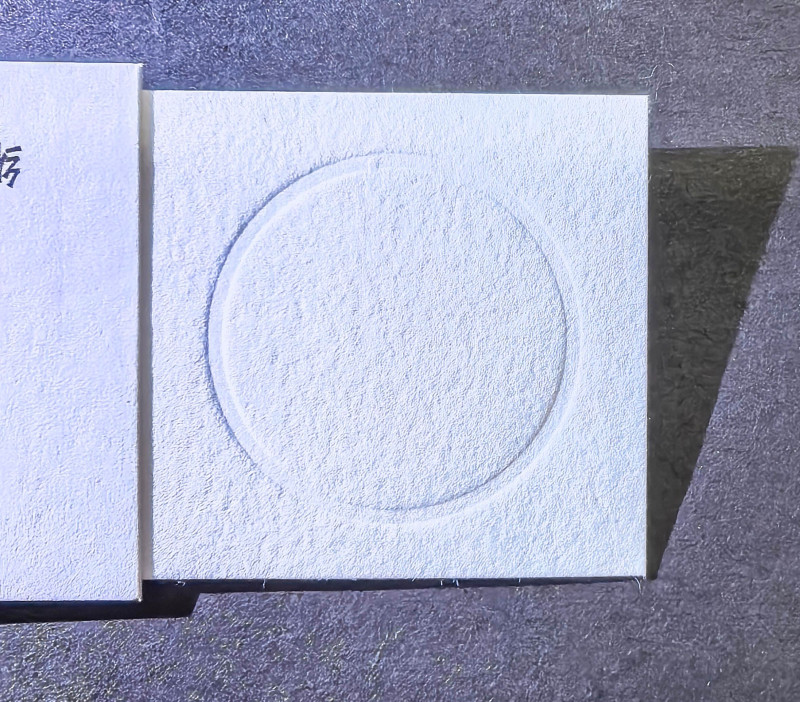
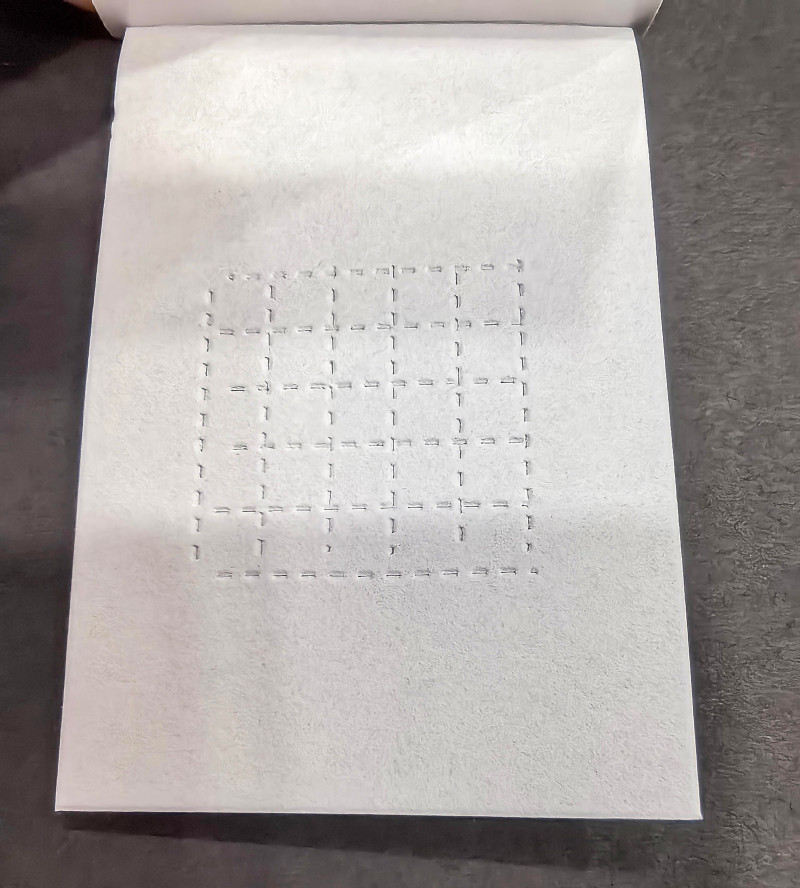
Superior sample preservation is the cornerstone of our FTA card offering. The advanced chemical formulation ensures exceptional DNA stability, safeguarding the genetic profile against degradation over extended periods. This reliability is crucial for retrospective analysis or cases that may be reopened years later. Furthermore, the requirement for only room temperature storage presents a significant logistical and financial advantage, eliminating the need for costly freezer infrastructure and reducing the risks associated with power failures or freezer malfunctions that could compromise a cold chain.
Beyond preservation, our cards are engineered to minimize contamination risk. The drying process and the card's chemistry create a hostile environment for potential contaminants. Additionally, the standardized format and dimensions of the cards are designed for compatibility with a wide range of automated processing systems. This compatibility allows laboratories to integrate FTA card punches directly into high-throughput robotic workstations for DNA extraction and PCR setup, thereby creating a highly streamlined laboratory workflow that reduces manual handling, increases throughput, and minimizes human error.
Applications in Forensic DNA Analysis
In the context of crime scene evidence collection, FTA cards provide a robust method for preserving bloodstains or other biological fluids recovered from various surfaces. Instead of attempting to scrape a delicate, potentially degraded stain, investigators can transfer a portion onto an FTA card, instantly stabilizing the DNA for transport back to the lab. This method is equally vital for collecting reference samples from victims, suspects, or volunteers in a controlled manner, ensuring a clean, standardized starting point for comparison.
The applications extend beyond active casework into broader genomic databases. The long-term storage capability at ambient temperature makes FTA cards an ideal medium for DNA databanking initiatives, where biological samples from convicted offenders or unidentified remains are archived for future comparisons. Similarly, in civil investigations such as paternity testing or missing persons investigations, FTA cards offer a simple, non-invasive way to collect buccal (cheek) swab samples that can be easily mailed and stored, facilitating the comparison of genetic profiles across time and distance with confidence in the sample's integrity.
Choosing the Right FTA Card for Your Lab
Selecting the appropriate FTA card format depends on your specific sample types and analytical goals. The classic FTA card is optimized for standard blood and buccal cell collection, providing robust protection for nuclear DNA used in standard STR profiling. For more challenging samples, such as those potentially containing inhibitors or where the analysis of mitochondrial DNA is targeted, the FTA DMPK (DMPK refers to a specific gene) card variant may be preferred due to its slightly different chemical treatment that can enhance performance in these scenarios.
Another critical consideration is the punch size used to remove a small disc from the card for processing. Standard punch sizes, such as 1.2mm or 3mm, must align with your laboratory's automated liquid handling systems or manual protocols. Furthermore, cards are available with various indicators and barcoding options. A visible indicator spot that changes color upon sample application confirms proper saturation, while pre-printed barcodes are essential for high-volume sample tracking, allowing each card to be seamlessly integrated into a Laboratory Information Management System (LIMS) to maintain a flawless chain of custody and sample identification throughout the workflow.
Best Practices for Using FTA Cards
Proper sample application technique is fundamental to achieving optimal results. For blood samples, a single, saturated drop applied to the target circle is typically sufficient. Over-saturation should be avoided, as it can lead to diffusion beyond the treated area and potentially cross-contaminate adjacent sample spots on a multi-sample card. The card must then be allowed to dry completely at ambient temperature in a clean, dust-free environment before storage or packaging. This drying process is a critical step that ensures the chemical stabilization is complete and prevents mold growth.
Once dried, storage protocols are straightforward yet essential. Cards should be kept in low-permeability pouches with a desiccant to control humidity, and then stored in a cool, dark place at room temperature. When it's time for analysis, efficient DNA elution is key. The standard protocol involves punching a small disc from the sample area, washing it in a specialized buffer to remove PCR inhibitors, and then either using the washed punch directly in a PCR reaction or proceeding with a more traditional DNA extraction method. Adhering to these best practices maximizes DNA yield and purity, leading to more reliable and reproducible forensic DNA profiling results.
Why Partner with Forensic DNA Labs for Your Supplies?
Partnering with Forensic DNA Labs means investing in guaranteed quality and consistent performance for every critical step in your process. Our FTA blood collection cards are manufactured under stringent quality controls, ensuring each lot meets the high standards required for forensic admissibility. This consistency eliminates a variable from your workflow, giving analysts confidence in their starting materials. We understand that your laboratory's reputation depends on the reliability of your results, and we build that foundation with our products.
Our commitment extends beyond supplying products. We provide expert technical support tailored to the unique challenges of forensic DNA analysis. Our team, knowledgeable in laboratory workflows and validation requirements, is available to assist with protocol optimization, troubleshooting, and integrating our products into your existing systems. Furthermore, we simplify the procurement process with a reliable supply chain designed to meet the demands of operational laboratories. We ensure you have the essential forensic laboratory equipment and consumables you need, when you need them, allowing you to focus on your core mission of delivering justice.
Get a Quote
Contact our sales staff, tell us your needs, and we will provide you with the most suitable solution.
Contact Now