What Are PSA Semen Detection Strips?
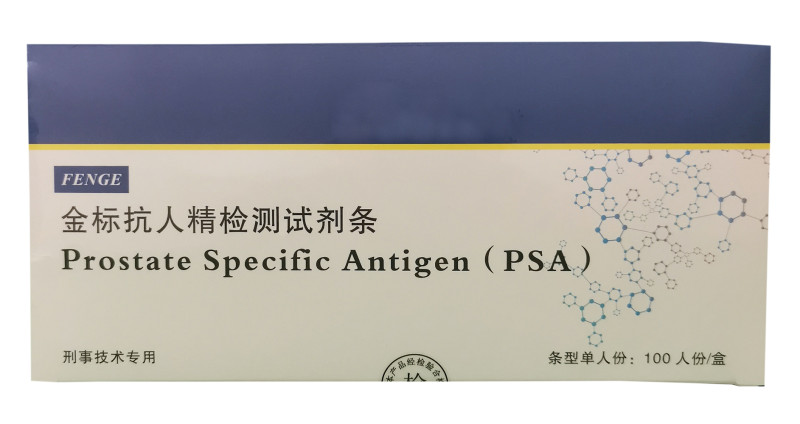
In forensic biology, confirming the presence of seminal fluid is a critical step. PSA Semen Detection Strips are immunochromatographic tests designed for this precise purpose. They function by detecting Prostate-Specific Antigen, a protein abundantly present in human seminal fluid. This method provides a targeted approach to semen identification, moving beyond presumptive tests to offer more conclusive evidence of its presence on collected items.
The principle of operation relies on specific antibodies that bind to the PSA protein. When a prepared sample is applied, any PSA present will form a visible line on the test strip, indicating a positive result. This forensic-grade technology is engineered for clarity and reliability, ensuring that analysts can make confident determinations about the biological material they are examining.
Principle of Operation: Detecting Prostate-Specific Antigen (PSA)
The core mechanism of these strips is a specific antigen-antibody reaction. Prostate-Specific Antigen, while named for its origin, is a key marker found in high concentrations in semen. The strips contain immobilized antibodies that are specific to the PSA molecule. As the liquid sample migrates along the strip, any PSA present will bind to these antibodies, triggering a colorimetric change that is easy to interpret visually. This biochemical specificity is what grants the test its high degree of accuracy for semen detection.
Key Features of Our Forensic-Grade PSA Strips
Our PSA strips are manufactured with the demands of a forensic DNA laboratory in mind. They are characterized by their high sensitivity, capable of detecting very low levels of PSA, which is crucial for analyzing minute or degraded samples. Furthermore, the specificity of the antibody reaction minimizes the chance of cross-reactivity with other bodily fluids, reducing false positives. Each kit includes clear positive and negative controls, and the simple protocol requires no complex instrumentation, making it an accessible tool for any forensic biology team.
Applications in Forensic DNA Casework
The primary application of PSA detection technology is in the screening of evidence from sexual assault investigations. It allows forensic scientists to quickly and reliably identify items that bear seminal fluid stains, prioritizing them for subsequent DNA analysis. This targeted screening is invaluable for managing caseloads efficiently and focusing valuable DNA extraction and profiling resources on the most probative evidence.
Beyond assault cases, these strips are used to differentiate seminal stains from other biological fluids like saliva, vaginal fluid, or sweat on mixed-stain evidence. This differentiation is a fundamental step in forensic biology, as it informs the sampling strategy for DNA recovery. By confirming the source of a stain, analysts can better predict the potential DNA yield and select the most appropriate downstream genetic analysis methods.
Screening Sexual Assault Evidence for Seminal Fluid
In sexual assault kit processing and the examination of clothing or bedding, PSA strips serve as a confirmatory test. After initial presumptive tests suggest the possible presence of semen, the PSA test provides a more definitive answer. This confirmation directly guides the forensic DNA analysis protocol, ensuring that swabs or cuttings from areas confirmed to contain semen are processed for DNA extraction, thereby increasing the likelihood of obtaining a usable DNA profile from the donor.
Differentiating Seminal Stains from Other Biological Fluids
Crime scene evidence often contains complex mixtures of biological material. A PSA test strip can be a decisive tool in this context. For instance, on a garment with multiple stains, testing individual areas with a PSA strip can map the location of seminal fluid specifically. This spatial differentiation is critical, as it allows the DNA analyst to avoid areas dominated by the victim's DNA and target areas more likely to contain the perpetrator's genetic material, streamlining the entire DNA profiling process.
Advantages of Using PSA Strips in Your Lab
Incorporating PSA Semen Detection Strips into your laboratory's standard operating procedures offers multiple advantages that enhance overall operational efficiency. The most immediate benefit is the speed of analysis; results are typically available within minutes, allowing for rapid triage of evidence. This rapid turnaround is essential in high-priority cases and helps prevent bottlenecks in the forensic workflow before samples even reach the DNA extraction stage.
The combination of high sensitivity and specificity translates to reliable results that analysts can trust. This reliability reduces the need for repeat testing and builds confidence in the preliminary findings. Perhaps one of the most significant practical advantages is the simplicity of the test protocol. It requires minimal training and no specialized, expensive equipment, making it a cost-effective and scalable solution for laboratories of all sizes.
Rapid Results: Streamlining Your Forensic Workflow
The ability to obtain a result in a matter of minutes, rather than hours, fundamentally streamlines the forensic biology workflow. This rapid testing allows for on-the-spot decision-making during evidence examination. Analysts can immediately confirm the presence of semen and proceed with targeted sampling for DNA analysis, rather than waiting for batch processing of tests. This efficiency is crucial for managing backlogs and accelerating the time from evidence receipt to DNA profile generation.
High Sensitivity and Specificity for Semen Detection
Sensitivity refers to the test's ability to detect low quantities of PSA, which is vital for aged samples, washed fabrics, or very small stains where the seminal fluid may be diluted or degraded. Specificity ensures that the test reacts primarily with PSA and not with similar proteins found in other biological sources. This dual characteristic minimizes both false negatives and false positives, providing a robust scientific basis for proceeding with costly and time-consuming DNA analysis.
Simple Protocol: No Specialized Equipment Required
The test procedure involves simple steps: sample extraction, application to the strip, and visual reading of the result. There is no requirement for centrifuges, spectrophotometers, or other complex laboratory apparatus. This simplicity reduces potential points of error, lowers per-test costs, and allows the test to be performed reliably in various settings, including by field personnel or in laboratories with limited infrastructure, all while maintaining the chain of custody for the evidence.
Integrating PSA Testing into Your DNA Analysis Protocol
For optimal effectiveness, PSA testing should be strategically placed within the broader forensic DNA analysis protocol. It logically follows presumptive tests, which are less specific but useful for initial screening, and precedes the DNA extraction process. This placement ensures that only items or areas confirmed to contain semen are subjected to DNA extraction, preserving precious sample material and optimizing the use of extraction kits and reagents.
Proper sample collection and preparation are paramount for obtaining accurate PSA strip results. The method of eluting the stain—the choice of extraction buffer and the elution time—can impact the amount of PSA recovered. Following standardized protocols for sample preparation ensures that the PSA protein is adequately solubilized and available for detection on the test strip, leading to consistent and reliable outcomes across different cases and analysts.
Workflow Placement: After Presumptive Tests, Before DNA Extraction
A coherent forensic biology workflow often begins with visual inspection and presumptive chemical tests. Following a positive or indicative presumptive test, the PSA strip provides a confirmatory step. This sequential approach adds a layer of scientific rigor. Once a positive PSA result is documented, that specific sample aliquot or swab can then be confidently routed into the DNA extraction workflow, ensuring that the laboratory's resources are dedicated to samples with the highest probative value for DNA profiling.
Sample Collection and Preparation for Optimal PSA Strip Results
The success of the test hinges on effective transfer of the biological material into a liquid solution. This typically involves moistening a swab with the provided extraction buffer and rubbing it firmly over the suspected stain, or cutting a small portion of stained fabric and soaking it. Adequate incubation time allows the PSA to diffuse into the solution. This prepared extract is then applied to the strip. Consistent technique in this preparation phase is key to maximizing detection sensitivity and obtaining clear, unambiguous results.
Interpreting Results and Documentation for Chain of Custody
Result interpretation is straightforward: the appearance of both control and test lines indicates a positive result. It is essential that all results, including faint test lines, are documented meticulously in the case file along with the control outcomes. This documentation, which includes the date, analyst, and kit lot number, is a critical part of the chain of custody and the overall quality assurance process. It provides a transparent audit trail for the confirmatory semen identification step, which may be reviewed during courtroom testimony.
Frequently Asked Questions About PSA Detection
Forensic professionals often have specific questions regarding the performance and limitations of PSA detection methods. Addressing these questions is part of providing comprehensive forensic laboratory solutions and ensuring that our products are used to their fullest potential within a validated laboratory protocol.
What is the Detection Limit of PSA Test Strips?
The detection limit refers to the minimum concentration of PSA that the test can reliably identify. Our forensic-grade strips are designed with a high sensitivity threshold, capable of detecting PSA at very low concentrations, often in the range of nanograms per milliliter. This high sensitivity is particularly important for processing challenged samples, such as those that are old, have been exposed to environmental conditions, or involve very small stain areas where the quantity of seminal fluid is minimal.
Can PSA Strips Detect Semen in Urine or on Washed Fabrics?
PSA strips are highly specific for the PSA protein. While semen present in a urine sample would be detected, the test is not designed for and does not react to urine itself. For washed fabrics, detection is possible if trace amounts of seminal fluid remain adsorbed to the fibers, though the efficiency depends on the washing method and detergent used. The high sensitivity of the strips makes them a valuable tool for attempting to identify seminal fluid in such compromised samples, though a negative result cannot definitively rule out its prior presence.
How Do PSA Tests Compare to Microscopic Sperm Detection?
Microscopic examination for spermatozoa (sperm cells) has been a traditional method. However, it is time-consuming, requires significant expertise, and can be inconclusive if sperm are absent, as in cases involving vasectomized individuals. PSA testing detects the seminal fluid itself via the PSA protein, which is present regardless of sperm count. Therefore, PSA strips often provide a faster, more efficient, and more universally applicable confirmatory test for the presence of semen, though some laboratories may use both methods complementarily for a comprehensive analysis.
Get a Quote
Contact our sales staff, tell us your needs, and we will provide you with the most suitable solution.
Contact Now