What Are Touch DNA Adhesive Samplers?
Touch DNA adhesive samplers are specialized forensic tools designed to collect microscopic biological material left behind when a person touches an object. Unlike traditional cotton swabs that may smear or fail to pick up dry, flaky cells, these devices use a precise adhesive surface to lift and retain trace evidence directly. This method is crucial for capturing skin cells, which are the primary source of touch DNA, from a wide variety of surfaces encountered at crime scenes.
The Science of Trace DNA Collection
The principle behind trace DNA collection hinges on the fact that individuals constantly shed epithelial cells. When these cells are transferred to an object upon contact, they create a latent, often invisible, biological fingerprint. The adhesive chemistry of modern samplers is engineered to have optimal tackiness—strong enough to secure these minute particles but formulated to be compatible with subsequent DNA extraction buffers. This ensures that the genetic material is not only captured but also can be efficiently released in the lab for analysis.
Key Components: Adhesive Surface, Backing, and Housing
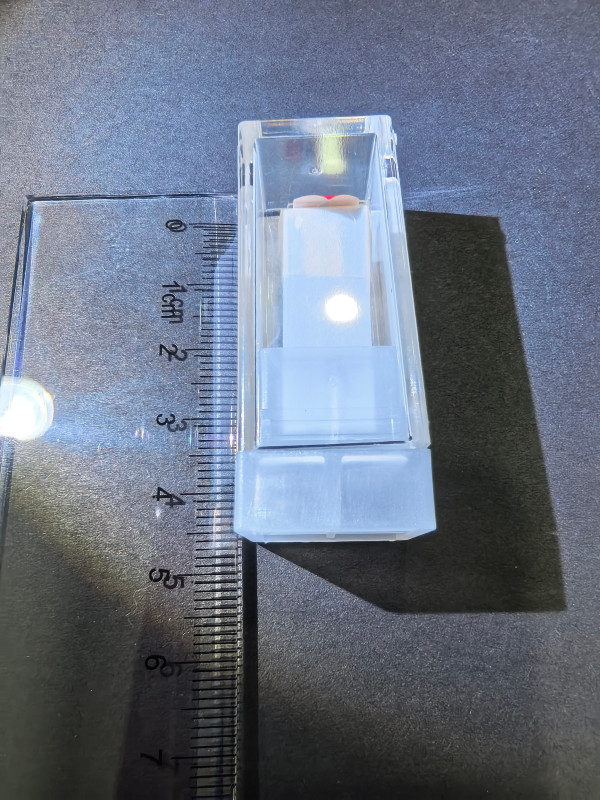
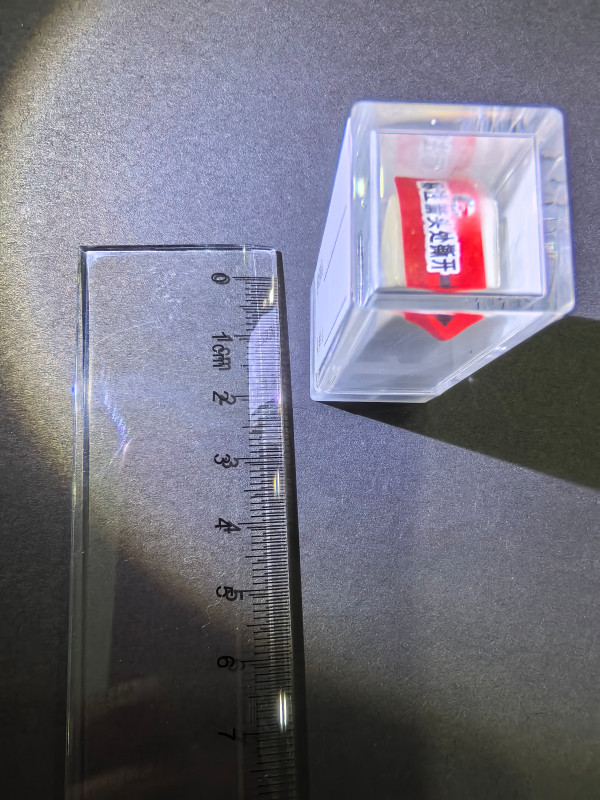
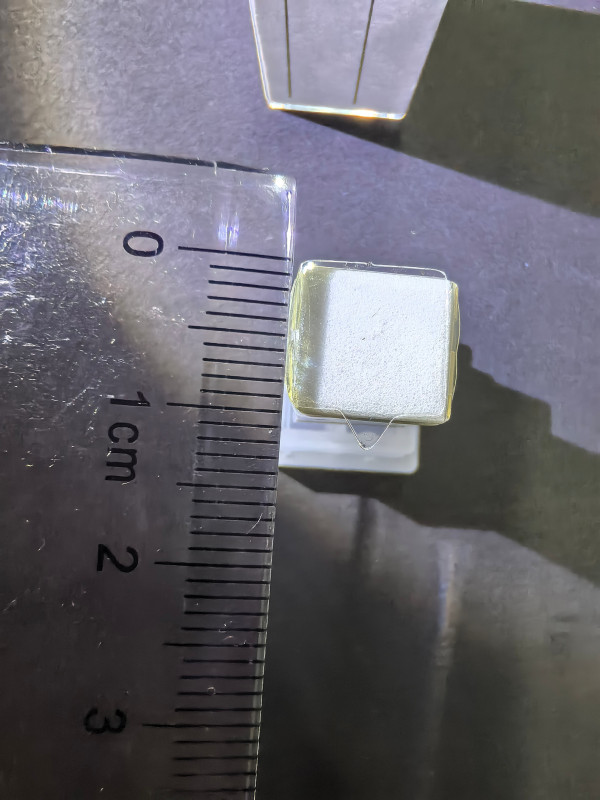
Every high-quality touch DNA sampler is built with three core components working in concert. The adhesive surface is the active element, typically a clear, low-lint film with uniform adhesive properties. This film is mounted on a stable backing material that provides rigidity for handling. Finally, the sampler is housed within a protective cover or dispenser, which maintains sterility and prevents contamination or premature adhesion before use. The integrity of these components directly impacts the preservation of the DNA sample from collection to the laboratory.
Critical Applications in Forensic Investigations
The utility of adhesive DNA collection extends across numerous forensic scenarios where traditional evidence collection falls short. These samplers are indispensable for processing items that cannot be easily swabbed or transported to a lab, allowing investigators to target specific areas of interest with minimal destruction of the original evidence.
Processing Crime Scene Evidence: From Firearms to Break-in Tools
Weapons such as firearms and knives, as well as tools used in break-ins, are prime targets for touch DNA recovery. The handles and other gripped surfaces can retain donor DNA for extended periods. An adhesive sampler can be applied to these often irregular and textured surfaces to recover cells from the individual who last handled the item, providing a critical investigative lead that might otherwise be lost with a moistened swab.
Enhancing Latent Print Development and DNA Recovery
There is a synergistic relationship between fingerprint development and DNA analysis. Techniques for latent print development can sometimes degrade DNA. However, using an adhesive lifter first to collect trace DNA from a surface allows forensic teams to preserve the biological evidence before applying powders or chemicals for fingerprint visualization. This dual-process approach maximizes the informational yield from a single piece of evidence.
Sampling Challenging Surfaces: Textiles, Curved Objects, and Fragile Items
Surfaces like clothing, curved vehicle steering wheels, or fragile paper documents present unique challenges. The conformable nature of many adhesive discs and lifters allows them to make complete contact with porous textiles or follow the contour of a curved object, ensuring comprehensive cell collection. For fragile items, the non-destructive, dry-lift method prevents damage that liquid from a swab might cause.
Advantages of Modern Adhesive Sampler Technology
Transitioning to adhesive-based collection represents a significant advancement in forensic biology. This technology offers tangible benefits that improve the efficiency and reliability of DNA evidence processing, directly impacting the success rate of criminal investigations.
Superior DNA Yield Compared to Traditional Swabbing
Comparative studies in forensic science journals have demonstrated that adhesive lift methods consistently recover higher quantities of DNA from dry surfaces than wet or dry swabbing. The adhesive mechanism physically lifts and entraps cell clusters, whereas swabbing can push debris across a surface or fail to dislodge cells that are firmly adhered. This increased yield is particularly vital for low-copy-number or touch DNA samples.
Minimized Contamination Risk with Sterile, Single-Use Design
Every forensic DNA sample is vulnerable to contamination, which can compromise an entire case. Modern adhesive samplers are manufactured, packaged, and shipped as sterile, single-use units. This closed system design eliminates the risk of cross-contamination between samples and ensures that the collector itself does not introduce foreign DNA, upholding the strict integrity required for forensic genetic analysis.
Simplified Workflow for Forensic Technicians and DNA Analysts
The adoption of user-friendly adhesive formats streamlines the workflow from the crime scene to the DNA extraction plate. Technicians can collect samples quickly and with clear visual confirmation of the sampled area. For analysts in the DNA laboratory, the samplers are often designed to fit directly into standard tube-based extraction protocols, eliminating transfer steps and reducing the potential for sample loss.
How to Choose the Right Touch DNA Sampler for Your Lab
Selecting the appropriate adhesive collection device is not a one-size-fits-all decision. It requires a careful evaluation of your laboratory's typical casework, the substrates commonly encountered, and your existing analytical pipeline to ensure seamless integration and optimal results.
Evaluating Adhesive Strength and Substrate Compatibility
The adhesive's tack level must be matched to the evidence surface. A sampler with moderate adhesion is ideal for non-porous surfaces like glass or plastic, ensuring complete pickup without leaving residue. For porous or dusty surfaces, a slightly stronger adhesive may be necessary, but it must be balanced to avoid picking up excessive inhibitory substrates that could interfere with the polymerase chain reaction (PCR) during DNA profiling.
Format Considerations: Discs, Lifters, and Rollers
Different casework demands different physical formats. Pre-cut adhesive discs mounted on applicator tips are excellent for precision work on small, defined areas. Larger adhesive lifters, similar to fingerprint tape, are suited for sampling broad, flat surfaces. Adhesive rollers provide an efficient method for collecting evidence from large, irregular items. The choice of format directly impacts collection efficiency and ergonomics for the user.
Integration with Your DNA Extraction and Quantification Kits
The ultimate goal is a successful DNA profile. Therefore, compatibility with your laboratory's chosen DNA extraction methodology is paramount. The best adhesive samplers are designed to be directly placed into lysis buffer, with the adhesive and backing materials fully dissolvable or non-inhibitory. This compatibility ensures maximum elution of DNA into solution for downstream steps like quantification and short tandem repeat (STR) amplification.
Best Practices for Using Adhesive DNA Collection Devices
To fully leverage the potential of adhesive samplers, laboratories must implement and follow standardized protocols. Consistent technique from collection through to analysis is the cornerstone of generating reliable, court-defensible DNA results.
Step-by-Step Protocol for Optimal Evidence Collection
A systematic approach begins with thorough visual and forensic light source examination of the item. The target area for adhesive sampling should be clearly identified. Using a gloved hand, the protective liner is removed, and the adhesive surface is firmly and evenly applied to the area using a rolling or pressing motion, ensuring full contact. The sampler is then peeled back at an angle and immediately sealed in its original protective cover or a sterile evidence pouch to secure the biological material.
Proper Storage and Chain of Custody for Adhesive Samples
Once collected, adhesive samples containing trace DNA should be stored in a cool, dry environment away from direct sunlight to prevent degradation. Crucially, each sample must be meticulously labeled, and a rigorous chain of custody document must be initiated and maintained. This documentation tracks every individual who handles the evidence, preserving its legal integrity from the crime scene to the witness stand.
Maximizing Success in Downstream STR Analysis and DNA Profiling
The journey from sample collection to a DNA profile requires careful handling. During DNA extraction, ensuring the complete immersion of the adhesive sampler in the lysis buffer is critical. Following extraction, the use of sensitive DNA quantification kits is essential to accurately measure the often low amounts of recovered DNA, informing the optimal amount of extract to use in the subsequent STR amplification reaction to generate a robust genetic profile.
Forensic DNA Labs: Your Partner in Trace Evidence Solutions
At Forensic DNA Labs, we understand that solving complex cases depends on the quality of evidence collected at the very beginning. We are committed to providing forensic professionals with not just products, but comprehensive trace evidence solutions that enhance the entire investigative process.
Our Range of High-Efficiency Touch DNA Collection Kits
We offer a curated portfolio of adhesive-based collection kits, each developed to meet specific forensic challenges. Our products include various adhesive strengths and formats, from precision discs to large-scale lifters, all manufactured under controlled, contaminant-free conditions. Each kit is validated to ensure compatibility with leading DNA extraction and amplification chemistries used in modern forensic DNA laboratories.
Supporting Your Entire Forensic Workflow with Consumables and Equipment
Our partnership extends beyond sample collection. We supply the essential consumables and equipment that form the backbone of a reliable forensic DNA laboratory. This includes high-purity reagents for DNA extraction and quantification, PCR amplification master mixes optimized for challenging samples, and analytical standards. We aim to be a single source for the reagents and tools needed to convert trace evidence into actionable intelligence.
Expert Technical Support for Your DNA Laboratory
Our team consists of scientists with deep experience in forensic DNA analysis. We provide dedicated technical support to assist your laboratory with protocol implementation, troubleshooting, and validation studies. Furthermore, we stay at the forefront of forensic science, ensuring our solutions evolve with new advancements in DNA collection technology and genetic analysis methods, helping your lab maintain the highest standards of accreditation and performance.
Get a Quote
Contact our sales staff, tell us your needs, and we will provide you with the most suitable solution.
Contact Now