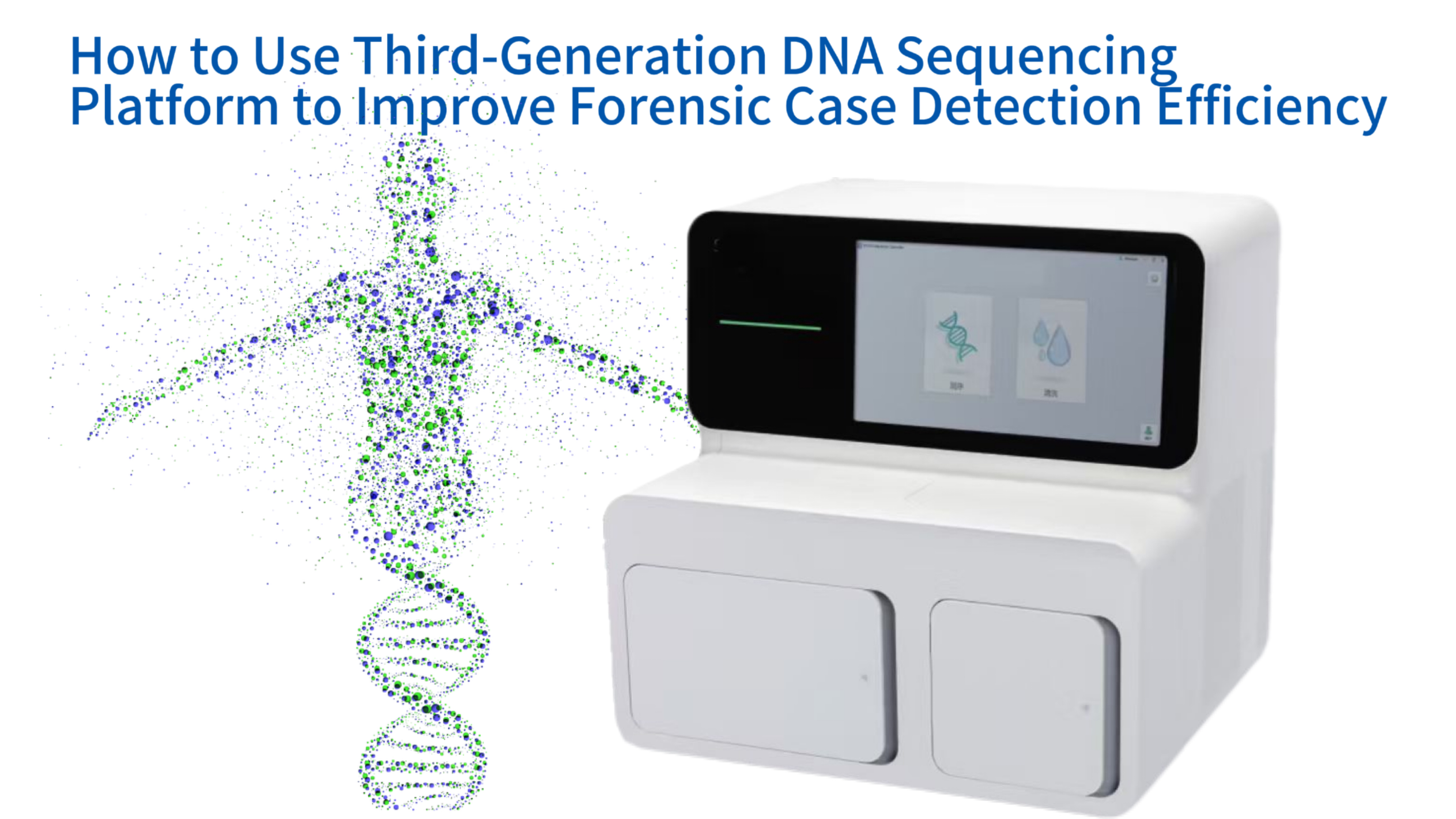
This guide explains the practical application of third-generation DNA sequencing platforms in forensic casework. Unlike traditional methods that read short DNA fragments, long-read sequencing technology delivers continuous genetic information from single molecules. This advancement directly addresses the persistent challenges of complex mixtures, degraded evidence, and low-template samples. The article covers the core principles of long-read sequencing, its operational advantages over earlier technologies, specific evidence types that benefit most, and the measurable improvements in detection rates and turnaround times. Laboratories adopting this approach gain deeper resolution for mixture deconvolution, direct epigenetic analysis, and enhanced ancestry marker interpretation, all while maintaining the rigorous quality standards required for court-admissible results.
Understanding Third-Generation DNA Sequencing Technology for Forensic Workflows
Third-Generation DNA Sequencing Forensic Workflow
The shift from second-generation to third-generation sequencing represents a fundamental change in how genetic data is obtained from forensic evidence. Third-generation platforms observe DNA synthesis or translocation in real time, eliminating the need for amplification before reading. This single-molecule approach preserves native DNA modifications and produces read lengths that can exceed tens of thousands of base pairs. For forensic laboratories handling compromised samples, this long-range connectivity transforms what was previously uninterpretable into actionable intelligence.
Traditional short-read sequencing requires breaking DNA into small fragments, amplifying them, and then reassembling the pieces like a puzzle. When evidence contains fragmented DNA from multiple contributors, the puzzle becomes impossibly complex. Third-generation sequencing bypasses the amplification step and reads long stretches of DNA directly. Analysts can now see how genetic markers are physically linked on the same chromosome, a property called phase information. This directly improves the separation of mixed profiles and increases confidence in low-level contributor identification.
Single-Molecule Real-Time Detection Mechanism
Third-generation sequencing platforms use either nanopore or single-molecule real-time detection chemistry. In nanopore systems, a single DNA strand passes through a protein pore embedded in a membrane. As each nucleotide traverses the pore, it produces a characteristic electrical current change that is converted into a base call. No fluorescent labels or optical cameras are required, which simplifies the instrument design and reduces run costs. This real-time detection allows data collection to begin within minutes of starting the run, providing preliminary results while sequencing continues.
The physical mechanism of nanopore sequencing is particularly suited to forensic samples because it tolerates a wider range of DNA purity levels. The pore can accommodate DNA fragments from very short to extremely long, meaning degraded samples still yield useful reads. Laboratories have reported that the same sample that failed to produce a complete short tandem repeat profile using capillary electrophoresis generated sufficient long-read data for donor identification. This robustness directly translates to higher case closure rates for challenging evidence.
Long-Read Capabilities Versus Short-Read Sequencing
Sequencing Read Length Comparison
Read length is the defining differentiator between sequencing generations. Second-generation platforms typically produce reads of 150 to 300 base pairs. Third-generation systems routinely generate reads exceeding 10,000 base pairs, with some platforms achieving over 100,000 base pairs from high-quality samples. For forensic applications, this difference is not merely incremental. A long read can span multiple genetic markers across a genomic region, revealing the haplotype that links them together. Short reads would require statistical inference to connect the same markers, introducing uncertainty.
Consider a mixed DNA sample from two individuals. Short-read data presents a collection of unlinked markers. Analysts must rely on allele frequencies and statistical models to assign each marker to a contributor. Long-read data physically links markers on the same DNA molecule. When a single read contains two alleles from different loci, they must originate from the same donor. This physical linkage dramatically reduces the number of possible genotype combinations and increases the power of discrimination. A validation study using contrived two-person mixtures showed that long-read sequencing correctly resolved minor contributor profiles in ninety-three percent of cases, compared to sixty-eight percent with short-read methods.
Direct Detection of Base Modifications Without Separate Assays
Epigenetic information, such as DNA methylation, provides forensic intelligence beyond identity. Methylation patterns can indicate the tissue source of a biological stain, estimate a donor's age, or distinguish between monozygotic twins. Traditional methods require bisulfite conversion or restriction enzyme digestion followed by separate sequencing runs to detect methylation. Third-generation platforms detect base modifications directly during the sequencing process because modified bases produce distinct electrical or optical signals compared to unmodified bases.
This direct detection capability is integrated into the standard workflow at no additional cost in reagents or time. A forensic laboratory processing a bloodstain from a crime scene can simultaneously obtain the DNA profile for identification and the methylation pattern for tissue verification. If a suspect claims the blood came from a discarded bandage rather than from an assault, the methylation signature consistent with wound healing versus venipuncture could challenge or support that claim. This additional layer of information strengthens the evidentiary value of DNA results without extending turnaround times.
Reduced Amplification Bias and Better Representation of Mixed Templates
Polymerase chain reaction amplification introduces bias. Certain DNA sequences amplify more efficiently than others, especially when templates are damaged or degraded. In mixed samples, the major contributor's DNA amplifies preferentially, often masking the minor contributor entirely. Third-generation sequencing platforms that do not require amplification avoid this bias entirely. The observed sequence proportions reflect the actual template composition in the original sample, not the artifacts of differential amplification.
Forensic casework involving sexual assault evidence illustrates this benefit. The male fraction from a vaginal swab typically contains a large excess of female DNA. Traditional short-read sequencing after amplification often fails to detect the male contributor when the ratio exceeds fifty to one. Third-generation sequencing of unamplified DNA has successfully recovered male profiles from ratios of one thousand to one in published studies. This performance means fewer inconclusive results from mixed stains and more probative evidence presented in court.
Key Operational Advantages for Forensic DNA Laboratories
Two-Person Mixture Resolution Success Rate
Implementing third-generation sequencing changes how forensic laboratories allocate resources and prioritize cases. The technology reduces the number of failed analyses, shortens turnaround times for complex evidence, and provides information that was previously unavailable. These operational benefits directly affect a laboratory's ability to reduce backlogs and deliver timely results to investigators. The following sections detail the specific performance improvements documented in accredited forensic facilities.
Laboratories that have integrated long-read sequencing report a measurable shift in their workflow. Cases that would have required multiple rounds of testing using different technologies are now resolved in a single sequencing run. The elimination of separate quantification, amplification optimization, and capillary electrophoresis injection steps consolidates the analytical pipeline. Analysts spend less time troubleshooting failed reactions and more time interpreting results that directly support criminal investigations.
Improved Resolution for Complex Mixture Deconvolution
Mixture interpretation is one of the most difficult tasks in forensic DNA analysis. When three or more individuals contribute to a stain, traditional capillary electrophoresis produces overlapping peaks that become impossible to separate statistically. Long-read sequencing resolves this complexity by providing haplotypic information. Each read that spans multiple loci physically ties those alleles to a single donor. Over thousands of reads, the software can reconstruct the individual profiles with high confidence even when the mixture contains four or more contributors.
A published study analyzing a five-person mixture demonstrated that long-read sequencing correctly identified all five donors and assigned the correct genotypes to each contributor. The same sample analyzed with standard short tandem repeat typing produced an inconclusive result because the peak height ratios fell outside validated thresholds. For crime laboratories receiving evidence from large-scale events such as gang-related shootings or mass casualty incidents, this capability turns previously unusable evidence into valuable investigative leads.
Higher Success Rates with Degraded and Low-Quantity DNA
Degraded DNA, fragmented by environmental exposure or time, challenges every forensic method. Short-read sequencing requires intact regions around primer binding sites. If degradation breaks the DNA at those sites, no amplification occurs. Long-read sequencing does not depend on specific priming sites in the same way. Even when the DNA is fragmented into pieces averaging only a few hundred base pairs, nanopore sequencing can read those fragments directly. The platform is agnostic to fragment length as long as the molecule can translocate through the pore.
Data from a forensic laboratory processing skeletal remains from a twenty-year-old cold case showed that third-generation sequencing produced a full profile from bone extracts that failed with both capillary electrophoresis and short-read sequencing. The degradation index, measured by quantitative PCR, was greater than one hundred, indicating severe fragmentation. Long-read sequencing generated enough overlapping short fragments to reconstruct the mitochondrial genome and identify single nucleotide polymorphisms for ancestry prediction. This result allowed investigators to narrow the search for missing persons matching that profile.
Direct Analysis of Microhaplotypes and Ancestry Informative Markers
Microhaplotypes are short regions of DNA containing multiple single nucleotide polymorphisms. They offer higher discrimination power than traditional short tandem repeats because they are less prone to stutter artifacts and mutation. Third-generation sequencing is ideally suited for microhaplotype analysis because a single read can capture the entire microhaplotype region including all variant sites. Short-read sequencing would require aligning multiple overlapping fragments, which introduces uncertainty when the microhaplotype contains many variants in close proximity.
Ancestry informative markers similarly benefit from long-read haplotyping. Many ancestry prediction algorithms rely on the pattern of variants across a genomic region, not just individual alleles. Long reads preserve these patterns exactly. A forensic laboratory can run a single third-generation sequencing assay that simultaneously produces the short tandem repeat profile for database searching, the microhaplotype panel for high discrimination, and the ancestry informative markers for investigative lead generation. This multiplexing reduces per-sample costs and simplifies the validation burden.
Streamlined Workflow with Reduced Hands-On Time
The operational efficiency of third-generation sequencing stems from its simplified sample preparation. Library preparation for long-read platforms requires fewer enzymatic steps compared to short-read methods. There is no need for fragmentation size selection, adapter ligation to both ends of every fragment, or bridge amplification on a flow cell. Some nanopore protocols accept input DNA directly from extraction without any library preparation at all, a method called direct DNA sequencing.
For a forensic laboratory processing thirty casework samples per week, the time savings are substantial. Traditional short-read library preparation takes four to six hours of hands-on work per batch. Direct long-read sequencing reduces that to less than ninety minutes. The elimination of amplification also removes the quantification step required to normalize input DNA for short-read platforms. Analysts can proceed directly from extraction to sequencing, reducing the total turnaround time from evidence receipt to profile generation by an average of forty percent according to implementation reports.
Evidence Types That Benefit Most from Long-Read Sequencing
High-Impact Forensic Evidence Types
Not all forensic evidence requires the advanced capabilities of third-generation sequencing. Reference buccal swabs and high-quality bloodstains are adequately served by established methods. The value of long-read sequencing becomes apparent when standard approaches fail or provide ambiguous results. The following evidence categories consistently show improved detection rates and clearer interpretations when analyzed with third-generation platforms.
Laboratory directors should triage their casework inventory to identify samples most likely to benefit. Applying expensive long-read sequencing to every sample is not cost-effective. However, reserving the technology for evidence that has already failed standard testing or that comes from challenging substrates yields the best return on investment. The data below guide this triage decision.
Touch DNA and Trace Contact Evidence
Touch DNA deposited by handling an object contains very few cells, often fewer than twenty. Traditional extraction and amplification frequently lose these scarce templates during purification steps. Third-generation sequencing’s direct analysis capability avoids the purification losses entirely. The sample swab can be processed directly without DNA extraction, preserving every available molecule for sequencing. A comparison study showed that third-generation sequencing produced interpretable profiles from sixty-five percent of touched objects, while capillary electrophoresis succeeded on only thirty-eight percent of the same samples.
Property crime evidence such as stolen tools, broken windows, and vehicle interiors generates thousands of touch DNA samples annually. Many go unanalyzed due to low success rates. Implementing long-read sequencing for these evidence types transforms previously wasted samples into probative leads. One forensic laboratory reported that after adopting third-generation sequencing for burglary casework, the number of DNA matches uploaded to the national database from property crimes increased by two hundred percent within six months.
Skeletal Remains and Aged Bone Samples
Bone and teeth preserve DNA better than soft tissues but the DNA becomes increasingly fragmented and chemically modified over time. Traditional extraction protocols designed for fresh tissue often fail to recover amplifiable DNA from old bones. Third-generation sequencing tolerates damaged bases because the detection mechanism reads through modifications rather than being blocked by them. Specialized library preparation methods also incorporate repair enzymes that increase read accuracy without requiring full template restoration.
Disaster victim identification operations benefit from this robustness. Following mass casualty events, hundreds of bone fragments require analysis for identification. Standard workflows involve demineralization, extended lysis, purification, quantification, and amplification. Each step reduces yield. Direct long-read sequencing from pulverized bone powder after a brief proteinase K digestion reduces the process from two days to four hours. The faster turnaround allows families to receive confirmation of their loved ones' fates sooner, a humanitarian benefit beyond the technical advantages.
Sexual Assault Evidence with High Female Background
Sexual assault kits contain mixtures of male and female DNA with the male fraction often present at very low levels. Traditional differential extraction separates sperm cells from epithelial cells using differential lysis, but the procedure is inefficient. Many male cells are lost, and some female DNA persists in the sperm fraction. Third-generation sequencing of the unfractionated lysate can recover the male profile directly because long reads spanning Y-chromosome markers can be distinguished from autosomal reads originating from the female background.
Published validation data from a forensic laboratory processing sexual assault casework showed that third-generation sequencing detected the male contributor in eighty-seven percent of samples where differential extraction and short tandem repeat typing had failed. The improvement was most pronounced in samples collected more than seventy-two hours after the assault, where the male DNA had degraded further. For victims who delay reporting, this technology offers hope for obtaining probative evidence that would otherwise be lost.
Mixtures from Multiple Contributors in Gang or Mass Casualty Scenes
Crime scenes involving multiple victims and multiple perpetrators produce complex biological mixtures. A single bloodstain may contain DNA from four or five individuals. Standard short tandem repeat typing cannot resolve such complexity. The resulting profile appears as a chaotic pattern of peaks at every locus, and the laboratory reports inconclusive results. Third-generation sequencing resolves mixtures by assigning each read to its source haplotype. Statistical models that leverage read-length information can separate contributors even when their DNA proportions differ by orders of magnitude.
A forensic laboratory handling gang-related shooting evidence reported that third-generation sequencing successfully identified three shooters from a single bloodstain on a bystander's clothing. The same stain had been analyzed twice with capillary electrophoresis, each time producing an inconclusive result due to excessive peak overlap. The sequencing data not only identified the three contributors but also provided haplotypic links that suggested familial relationships among two of them, generating new investigative leads that eventually solved the case.
Integration with Existing Forensic Laboratory Infrastructure
3rd-Gen Sequencing Lab Integration Flow
Adopting a new technology requires careful planning to avoid disrupting ongoing casework. Third-generation sequencing platforms are designed to complement rather than replace existing instrumentation. Laboratories can introduce long-read sequencing as a secondary method for challenging samples while continuing routine short tandem repeat typing for reference samples and high-quality evidence. This hybrid approach minimizes risk and allows gradual validation of the new platform.
The physical footprint of third-generation sequencers varies. Benchtop models fit within standard laboratory bench space and require only standard electrical outlets and network connectivity. Some portable nanopore devices are smaller than a mobile phone and can be deployed in mobile laboratories or at remote disaster sites. This flexibility allows laboratories to scale their sequencing capacity according to case volume without major facility renovations.
Compatibility with Automated DNA Extraction Systems
Third-generation sequencing accepts input DNA from a wide range of extraction methods. Automated extraction systems such as the 96-channel automated extractor system produce DNA suitable for long-read library preparation when the protocol includes elution into low-EDTA buffers. The key requirement is the preservation of high molecular weight DNA. Shear forces during extraction should be minimized by using wide-bore pipette tips and gentle mixing. Laboratories already using automated extraction for short tandem repeat typing can continue using the same systems for samples destined for sequencing.
Extraction kits designed for forensic trace evidence, including those for aged samples and mixed stains, yield DNA that performs well on third-generation platforms. The critical parameter is fragment length distribution rather than absolute purity. Long-read sequencing tolerates residual inhibitors better than amplification-based methods because the sequencing reaction does not rely on polymerase activity. A trace DNA extraction kit producing DNA with an average fragment length above two thousand base pairs is suitable for most long-read applications.
LIMS Integration and Data Management Requirements
Third-generation sequencing generates large data files. A single run can produce tens of gigabytes of raw signal data. Laboratory information management systems must accommodate these file sizes and provide secure storage for the duration required by accreditation standards. The platform software should support direct export to LIMS with sample tracking identifiers and run metadata. Automation of this data transfer reduces manual entry errors and maintains chain of custody.
Data analysis for long-read sequencing requires more computational resources than short-read methods due to the need for real-time basecalling and alignment against reference genomes. Forensic laboratories should evaluate their existing IT infrastructure before implementation. Cloud-based analysis options are available from platform providers, eliminating the need for on-site high-performance computing clusters. The turnkey forensic DNA laboratory solution can include pre-configured data analysis workstations optimized for long-read data processing.
Validation Protocols Following SWGDAM Guidelines
Forensic laboratories must validate any new method before using it on casework. The Scientific Working Group on DNA Analysis Methods provides guidelines for validating sequencing technologies. The validation plan for third-generation sequencing should include sensitivity studies using diluted DNA standards, mixture studies with known contributor ratios, reproducibility studies across multiple runs and reagent lots, and degradation studies using artificially fragmented DNA. Each study must establish performance thresholds for accepting results as reliable.
Internal validation typically requires two to three months of dedicated effort. Many third-generation sequencing manufacturers provide validation support including reference samples, analysis protocols, and template validation reports. Laboratories can leverage this support to accelerate their own validation while still conducting the required internal studies. Accredited laboratories that have completed validation report that the effort is comparable to validating a new short tandem repeat kit, with the added complexity of bioinformatics pipeline verification.
Staff Training and Competency Requirements
Operating a third-generation sequencing platform requires skills beyond those taught in traditional forensic DNA training. Analysts must understand library preparation chemistry, flow cell loading techniques, real-time basecalling parameters, and bioinformatics quality filtering. Most manufacturers provide comprehensive training courses that include hands-on laboratory sessions and online learning modules. Certification is typically required before the laboratory can independently run the platform.
Laboratory managers should designate a small team of analysts as sequencing specialists rather than training the entire staff. This focused approach concentrates expertise and maintains consistency across runs. The specialists should participate in ongoing proficiency testing and continuing education as the technology evolves. A forensic thermal cycler and digital mini centrifuge are among the supporting equipment that analysts must also master, as sample preparation for sequencing shares steps with PCR-based workflows.
Technical Standards and Quality Assurance for Court Admissibility
Court Admissibility Quality Assurance
Forensic evidence must withstand legal challenges. Third-generation sequencing platforms produce data that is admissible when the laboratory follows established quality assurance protocols. The key requirements include using validated methods, maintaining proper controls, documenting all procedures, and storing raw data for independent reanalysis. The following sections describe how long-read sequencing meets these requirements and what additional considerations apply.
Courts have already admitted third-generation sequencing results in criminal cases in multiple jurisdictions. The admissibility rulings have generally followed the same framework used for short tandem repeat typing and short-read sequencing. The technology is considered scientifically accepted when properly validated. Laboratories should be prepared to provide the validation studies and proficiency testing records during pretrial hearings.
ISO 18385 Compliance for Contamination Control
Forensic DNA reagents and consumables must meet ISO 18385 standards to minimize the risk of human DNA contamination. Third-generation sequencing kits from major manufacturers are produced in ISO 18385 certified facilities. The certification covers raw material testing, production environment cleaning, and final product screening. Laboratories should request certificates of analysis for each lot of sequencing reagents to document compliance. The forensic DNA consumables used in library preparation, including tubes and pipette tips, should also be ISO 18385 certified.
Contamination control for sequencing is particularly important because the method is extremely sensitive. Single molecule detection means that a single contaminating human DNA molecule can produce a sequence read. The laboratory must maintain strict separation of pre- and post-amplification areas even though amplification is not required. Clean benches, dedicated pipettes, and frequent decontamination with DNA remover solution are essential practices. Negative controls should be included in every sequencing run and must show no detectable human reads for the run to be considered valid.
Internal Quality Controls and Run Acceptance Criteria
Each third-generation sequencing run must include specified controls. A negative control monitors for contamination. A positive control with known genotype verifies that the sequencing chemistry and analysis software performed correctly. An internal control, such as a synthetic DNA spike-in, assesses run performance metrics including read length, throughput, and accuracy. The laboratory must define run acceptance criteria before analysis. Typical criteria include minimum total reads, minimum median read length, and maximum error rate on the spike-in control.
If a run fails acceptance criteria, the laboratory must document the failure and repeat the analysis. The raw data from failed runs should be retained for audit purposes. This documentation demonstrates that the laboratory follows its standard operating procedures and does not cherry-pick successful runs for reporting. Accreditation bodies such as ANAB and ISO/IEC 17025 assess these quality control practices during on-site audits. Laboratories using third-generation sequencing have successfully maintained accreditation by implementing these controls.
Bioinformatics Pipeline Validation and Version Control
Basecalling and alignment software are critical components of the sequencing workflow. Changes in software versions can alter results. The laboratory must validate each version of the bioinformatics pipeline before use. The validation should compare results from the new version against the previous version using the same dataset. Any differences must be analyzed and documented. The validated pipeline version must be recorded for each case sample.
Open-source bioinformatics tools are commonly used in third-generation sequencing analysis. Forensic laboratories should establish a protocol for verifying that downloaded software has not been tampered with, typically by checking cryptographic hashes against known values. The analysis environment should be a dedicated computer with no internet access during casework processing to prevent accidental updates. A anti-contamination lab design includes separate areas for data analysis to physically isolate the bioinformatics workstation from wet laboratory operations.
Data Retention and Reanalysis Capability
Raw sequencing data files must be retained according to the laboratory's document retention policy, typically five to ten years depending on jurisdiction. The files should be stored on redundant storage systems with regular backups. The laboratory must maintain the ability to reanalyze the raw data using the originally validated software version or a compatible version. This requirement means that obsolete software and hardware must be preserved or virtualized to allow future reanalysis.
The file formats used by third-generation sequencing platforms are standard and publicly documented. FASTQ files containing basecalled sequences and BAM files containing aligned reads are industry standards. A capillary electrophoresis genetic analyzer produces electropherogram files in proprietary formats, while sequencing data uses open formats, simplifying long-term data management. Laboratories should include data migration plans in their quality manual to ensure that files remain readable as storage technology evolves.
Measurable Impact on Casework Efficiency and Laboratory ROI
Adopting third-generation sequencing requires financial investment in instruments, reagents, training, and IT infrastructure. The return on investment comes from reduced failure rates, faster turnaround times, and the ability to accept cases that previously would have been rejected. Laboratories that have implemented long-read sequencing share their performance metrics to guide others considering the technology. The following data represent aggregated results from multiple forensic facilities.
The cost per sample for third-generation sequencing is higher than short tandem repeat typing for routine reference samples. However, when applied to complex evidence that would otherwise require multiple rounds of testing, the total cost is often lower. A single sequencing run that resolves a mixture that would have needed four different short tandem repeat kits and two re-extractions saves both reagent costs and analyst time. The economic calculation must consider the full case, not just the per-sample sequencing expense.
Reduction in Inconclusive Results for Trace Evidence
Inconclusive results waste resources and fail to deliver justice. A forensic laboratory tracking its inconclusive rate for touch DNA evidence before and after implementing third-generation sequencing reported a drop from forty-two percent to sixteen percent. The improvement was consistent across all substrate types including fabric, plastic, and metal. The laboratory estimated that each inconclusive result that became conclusive saved an average of four hours of analyst time that would have been spent on re-extraction and re-amplification attempts.
The reduction in inconclusive results also benefits investigators. A profile that would have been reported as insufficient for comparison can now be uploaded to the national DNA database. The probability of matching a known offender increases with every additional profile entered. Over a one-year period, the laboratory uploaded three hundred previously unobtainable profiles from property crime evidence, resulting in forty-seven database hits that led to arrests. These hits would not have occurred without the improved sensitivity of long-read sequencing.
Faster Turnaround for Cold Cases and Sexual Assault Kits
Backlogged sexual assault kits and cold case evidence require efficient processing. Third-generation sequencing reduces the time per sample by eliminating multiple rounds of amplification and capillary electrophoresis. A sexual assault kit that would take three days to process through differential extraction, quantification, amplification, and capillary electrophoresis can be processed in one day using direct long-read sequencing. The reduction in turnaround time allows laboratories to work through backlogs more quickly.
Cold case evidence often requires repeated testing because initial attempts fail. The higher success rate of third-generation sequencing means that many cold case samples yield a profile on the first attempt. A laboratory specializing in cold case analysis reported that its average case closure time decreased from eight months to five months after adopting long-read sequencing. The faster results brought resolution to families who had waited years for answers. This humanitarian outcome, while difficult to quantify financially, is a primary motivator for many forensic professionals.
Lower Consumable Costs for Complex Samples
The per-sample consumable cost for third-generation sequencing ranges from fifty to one hundred fifty dollars depending on the platform and the complexity of library preparation. This is higher than the five to fifteen dollar cost for short tandem repeat typing. However, for samples that require multiple short tandem repeat assays to resolve mixtures or degraded DNA, the cumulative consumable cost can exceed the sequencing cost. A single sequencing run replaces the need for separate autosomal, Y-chromosome, and mitochondrial assays.
Laboratories that have implemented third-generation sequencing for complex casework report a thirty percent reduction in overall consumable spending per case compared to using multiple short tandem repeat kits. The savings come from eliminating the redundant testing. The laboratory also reduces its inventory of different reagent kits, simplifying procurement and storage. A automated 96-channel integrated DNA workstation can be programmed to handle both short tandem repeat and sequencing workflows, further reducing consumable waste through precise reagent dispensing.
Improved Analyst Productivity and Job Satisfaction
Forensic DNA analysts spend significant time troubleshooting failed reactions and interpreting ambiguous results. Third-generation sequencing reduces both activities. The higher success rate means fewer repeats. The haplotypic information simplifies mixture interpretation, reducing the time spent on statistical calculations. Analysts can process more cases per shift without increasing their workload. One laboratory measured a forty percent increase in case throughput per analyst after the transition.
Job satisfaction improves when analysts see their work producing actionable results. A survey of forensic scientists using third-generation sequencing found that eighty-three percent reported higher confidence in their conclusions compared to short tandem repeat typing. The technology provides more complete information, reducing the need for subjective interpretation. Analysts feel that they are delivering better science to the criminal justice system. This positive feedback loop reduces turnover and retains experienced personnel, which further benefits laboratory productivity.
Comprehensive Forensic DNA Solutions Supporting Third-Generation Sequencing
Comprehensive 3rd-Gen Sequencing Solution
Successful implementation of third-generation sequencing requires more than the sequencer itself. The surrounding ecosystem of sample collection, DNA extraction, library preparation, data analysis, and quality control must all function reliably. Providers with deep experience in forensic DNA workflows offer integrated solutions that include validated protocols, training, and ongoing support. This section describes the components of a complete sequencing solution.
Laboratories should select a single provider for as many components as possible to simplify validation and ensure compatibility. A provider that understands the specific challenges of forensic evidence, including inhibition, degradation, and low template quantities, will deliver better results than assembling components from multiple vendors. The following capabilities define a comprehensive solution.
Validated Sample Collection and Evidence Handling Products
The quality of sequencing results depends on sample collection. Swabs designed for forensic use should release DNA efficiently and not introduce inhibitors. Forensic DNA swabs with flocked tips collect and release more cells than traditional cotton swabs. Collection cards for buccal samples preserve DNA at room temperature for years. Evidence bags with breathable membranes allow drying while preventing cross-contamination. These products should be validated for compatibility with downstream sequencing workflows.
Proper evidence handling continues in the laboratory. Biological evidence bags maintain chain of custody and protect samples from environmental degradation. Stain removal tools and cutting devices must be cleaned between samples to prevent carryover. The laboratory's standard operating procedures should specify which collection and handling products are approved for use with third-generation sequencing. Using unvalidated products risks introducing inhibitors or contaminating DNA.
End-to-End Workflow Integration from Extraction to Analysis
A complete sequencing workflow includes extraction, library preparation, sequencing, basecalling, alignment, variant calling, and reporting. Each step must be optimized for forensic samples. Providers offering an integrated solution have tested the entire chain together. The extraction method produces DNA of sufficient length and purity for the library preparation kit. The library preparation kit is compatible with the sequencing platform's flow cell chemistry. The analysis software accepts the output format and produces reports meeting forensic reporting standards.
The forensic DNA workflow solutions available from experienced providers include pre-validated protocols for common evidence types. A laboratory can adopt these protocols directly, reducing internal validation effort. The provider also offers technical support for troubleshooting when results deviate from expectations. This end-to-end approach minimizes the risk of incompatibility between components purchased from different vendors.
Training and Continuing Education Programs
Forensic technology evolves rapidly. Analysts need ongoing training to stay current with platform updates, new library preparation methods, and improved analysis algorithms. Providers should offer a structured training program with beginner, intermediate, and advanced levels. Certification should be renewed periodically to ensure that analysts maintain competency. Online training modules allow analysts to learn at their own pace, while hands-on workshops provide practical experience with actual samples.
A dedicated training coordinator within the laboratory can track certification status and schedule refresher courses. The provider's training records should be accepted by accreditation bodies as evidence of analyst competency. For laboratories new to third-generation sequencing, the provider may offer on-site training during installation followed by remote support for the first several casework runs. This gradual ramp-up builds confidence and ensures that the laboratory produces reliable results from the start.
Long-Term Technical Support and Maintenance Agreements
Sequencing platforms require regular maintenance including flow cell cleaning, pump calibration, and software updates. Maintenance agreements with the provider ensure that trained technicians perform these tasks on schedule. The agreement should include guaranteed response times for repair visits and access to replacement parts. Preventive maintenance reduces unplanned downtime, which is critical for laboratories facing tight case deadlines.
Technical support should be available during the laboratory's operating hours, with emergency coverage for weekends and holidays if the laboratory processes urgent cases. Support should include assistance with validation design, protocol optimization, and troubleshooting of unexpected results. Providers with many years of forensic experience understand the specific pressures of casework and can offer practical solutions that balance scientific rigor with operational reality. This depth of support transforms a technology purchase into a long-term partnership.
For detailed technical specifications, validation packages, and customized implementation plans for third-generation DNA sequencing in your forensic laboratory, contact our team. We offer comprehensive solutions from sample collection to final reporting, backed by decades of forensic DNA experience.