What Is an Autosomal STR Casework Trace DNA Kit?
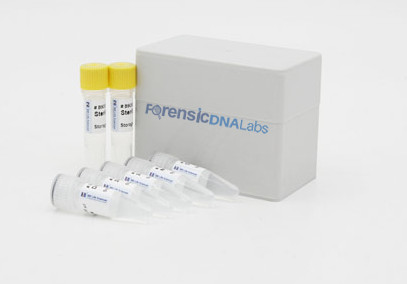
In the demanding field of forensic science, analyzing minute biological evidence is a common challenge. An Autosomal STR Casework Trace DNA Kit is a specialized molecular biology reagent system engineered specifically for this purpose. It is designed to amplify and detect Short Tandem Repeat (STR) markers located on autosomal chromosomes from samples containing very low quantities of DNA, often referred to as low-copy-number or touch DNA. This advanced forensic DNA analysis kit enables laboratories to generate genetic profiles from evidence that was previously considered unsuitable for testing, thereby unlocking critical investigative leads.
Key Components of the Kit
The efficacy of a trace DNA kit hinges on its carefully formulated components. Central to the system are the PCR amplification master mix and the multiplexed STR primer sets. The master mix often contains a robust, high-fidelity polymerase optimized for challenging samples, along with buffers that help overcome PCR inhibitors commonly found in crime scene evidence. The primer sets are designed to target a core panel of autosomal STR loci, including those mandated by national DNA databases. Additionally, the kit includes allelic ladders for accurate allele sizing, internal size standards for precise fragment analysis, and all necessary reagents for capillary electrophoresis setup, ensuring a complete workflow solution.
How It Enhances Trace DNA Analysis
Traditional STR kits may fail with sub-nanogram amounts of DNA, but a dedicated trace DNA kit employs several strategies to enhance sensitivity. These include optimized primer sequences and reaction chemistry that improve amplification efficiency from limited template DNA. Furthermore, such kits are validated to handle partially degraded DNA samples where longer STR alleles might drop out, by including smaller amplicon targets. This focus on low-level DNA analysis directly translates to an increased success rate in profiling evidence from handled objects, worn clothing, or minute biological stains, pushing the boundaries of what is possible in forensic casework.
Applications in Forensic DNA Analysis
The deployment of a high-sensitivity Autosomal STR kit expands the scope of forensic DNA testing significantly. Its primary application lies in processing evidence where the amount of biological material is minimal. This capability is indispensable across a wide spectrum of criminal investigations, from property crimes to violent offenses, where trace evidence is frequently the only link to a perpetrator.
Solving Cold Cases with Low-Template DNA
Historical or cold cases often present with evidence that has been stored for years, potentially leading to DNA degradation. Re-examining such items with a modern trace DNA analysis kit can yield new genetic profiles. The kit's ability to cope with degraded DNA and its high sensitivity can breathe new life into these investigations. For instance, re-analysis of a decades-old envelope flap or a stored garment with advanced low-quantity DNA amplification techniques has led to the identification of suspects in numerous jurisdictions, demonstrating the powerful role of evolving forensic technology in achieving justice.
Use in Sexual Assault and Touch DNA Evidence
In sexual assault cases, evidence can be complex, containing mixtures from the victim and perpetrator. A trace DNA kit is crucial for analyzing samples where the offender's contribution is minimal. Similarly, for touch DNA evidence—DNA transferred from skin cells onto an object—the kit's sensitivity is paramount. Successful profiling from fingerprints on weapons, tools, or entry points can place a suspect at a scene. The robust chemistry also helps mitigate the effects of potential inhibitors present in these sample types, ensuring more reliable results for investigators and the courts.
Features and Benefits of Our Trace DNA Kit
Our Autosomal STR Casework Trace DNA Kit is developed with the forensic laboratory's real-world challenges in mind. It represents a synthesis of advanced biochemistry and practical workflow design, aiming to deliver consistent, high-quality results even from the most demanding evidence samples.
High Sensitivity for Low-Quantity Samples
A defining feature of our kit is its exceptional sensitivity, reliably producing full genetic profiles from DNA inputs well below 100 picograms. This is achieved through a proprietary PCR enzyme formulation and buffer system that maximizes template utilization. This high sensitivity ensures that laboratories can extract the maximum informational value from limited biological material, increasing the probative value of trace evidence in an investigation.
Compatibility with Degraded DNA and Inhibitor-Rich Samples
Forensic samples are rarely pristine. They may be exposed to environmental factors causing degradation or contain substances like humic acid or indigo dye that inhibit PCR. Our kit is engineered for compatibility with such challenging samples. The inclusion of reduced-size STR amplicons (miniSTRs) allows for the successful amplification of shorter DNA fragments typical of degradation. Additionally, the reaction chemistry includes components that neutralize common PCR inhibitors, enhancing the success rate for samples from a variety of substrates and conditions.
Streamlined Workflow for Forensic Laboratories
Efficiency is critical in a busy forensic DNA laboratory. Our kit is designed to integrate seamlessly into existing laboratory protocols for STR analysis. It features a ready-to-use master mix, reducing pipetting steps and potential for error. The optimized protocol allows for direct amplification from some sample types or simplified setup from purified extracts. This streamlined approach from sample to profile accelerates turnaround times, enabling laboratories to manage caseloads more effectively without compromising on the quality of the DNA profiling results.
Technical Specifications and Validation
Trust in forensic science is built on rigorous validation and transparent specifications. Our trace DNA kit is subjected to extensive developmental validation followed by internal validation studies as recommended by international forensic guidelines, ensuring its performance is well-characterized and reliable for casework.
STR Markers Included and Their Forensic Significance
The kit amplifies a carefully selected panel of autosomal STR loci. This panel includes the core CODIS (Combined DNA Index System) loci, as well as additional highly polymorphic markers recommended by international bodies like the European Network of Forensic Science Institutes (ENFSI). This ensures compatibility with national and international DNA databases for criminal justice. The selection of markers also considers forensic parameters such as power of discrimination and probability of identity, providing extremely high statistical weight to a matching DNA profile. The multiplex design allows for the simultaneous analysis of all these markers in a single reaction, conserving precious sample.
Validation Studies and Performance Metrics
Comprehensive validation data is available for the kit, detailing its performance under controlled conditions. Key validation parameters for forensic kits that have been assessed include sensitivity (limit of detection), stochastic threshold, reproducibility, mixture analysis, and inhibitor tolerance. Studies also confirm its performance with various sample types, including bloodstains, saliva, semen, and touch DNA on multiple surfaces. These performance metrics provide laboratories with the confidence needed to implement the kit into their accredited forensic DNA testing protocols, knowing its capabilities and limitations are thoroughly documented.
Integrating the Kit into Your DNA Laboratory
Implementing a new trace DNA kit into an operational forensic laboratory requires careful planning. Successful integration hinges on having the right equipment, following optimized protocols, and ensuring personnel are adequately trained on the new system's nuances.
Equipment and Reagent Requirements
Our kit is compatible with standard thermal cyclers and major platforms for capillary electrophoresis in DNA analysis. Laboratories will need a functioning genetic analyzer, such as those from common manufacturers, along with the associated polymer and array plates. Beyond the kit itself, standard laboratory reagents for DNA extraction and purification are required. We provide detailed compatibility lists and recommended instrument settings to ensure optimal data collection and analysis, facilitating a smooth transition to incorporating this high-sensitivity tool into your laboratory workflow for casework.
Best Practices for Sample Preparation and Amplification
To achieve the best results with low-template DNA, meticulous technique during sample preparation is non-negotiable. This includes employing stringent anti-contamination measures, such as using dedicated pre-PCR workspaces and consumables. For amplification, it is critical to follow the recommended reaction setup volumes and thermal cycling conditions precisely. Establishing and adhering to a laboratory-specific stochastic threshold for low-copy DNA is essential for correct data interpretation. Proper handling and storage of the kit reagents, as per the specified conditions, are also vital to maintain performance and ensure the reliability of every PCR amplification for forensic samples.
Support and Services for Forensic DNA Labs
We understand that adopting new technology is an investment. Our commitment extends beyond supplying a product to providing comprehensive support that ensures our clients achieve success and maximize the value of our trace DNA kit in their operations.
Training and Technical Assistance
We offer specialized training programs for forensic analysts and technical staff. These sessions cover the principles of low-template DNA analysis, detailed kit protocols, data interpretation guidelines, and troubleshooting. Our team of experienced forensic scientists provides ongoing technical assistance, ready to help with application-specific questions or optimization needs. This support is designed to build in-house expertise and ensure your team is fully proficient in utilizing the kit's capabilities for complex forensic DNA casework applications.
Customized Solutions for Complex Casework
Every laboratory and case is unique. For laboratories facing particularly challenging sample types or high-throughput demands, we offer consultation services to develop customized forensic solutions. This may involve workflow optimization, validation support for specific sample protocols, or guidance on complex data analysis. Our goal is to partner with your laboratory to overcome obstacles and enhance your overall analytical effectiveness, ensuring you have the tools and knowledge to handle even the most difficult evidence.
FAQs About Autosomal STR Trace DNA Kits
Common questions arise when laboratories consider implementing a trace DNA kit. Here are answers to some frequently asked questions to provide further clarity on its use and capabilities.
How Does This Kit Compare to Standard STR Kits?
The primary distinction lies in sensitivity and robustness. While a standard STR kit is excellent for reference samples or evidence with abundant DNA, our trace DNA kit is specifically optimized for sensitivity, often by a factor of 10 or more. It employs a more robust polymerase and enhanced buffer system to amplify from minute starting amounts. Furthermore, it often features a higher primer concentration and may include miniSTR markers to better recover information from degraded DNA, which are not always a focus in standard kits designed for optimal performance with high-quality DNA.
What Are the Storage and Stability Conditions?
To ensure maximum shelf life and consistent performance, the kit components must be stored according to the manufacturer's instructions. Typically, the core reagents, such as the master mix and primer sets, require storage at -20°C ± 5°C in a non-frost-free freezer to prevent freeze-thaw cycles. Once prepared, the reaction mix may have different stability conditions. It is crucial to minimize the number of freeze-thaw cycles by aliquoting reagents. Adhering to these storage conditions for forensic reagents is a key part of a laboratory's quality assurance program and is essential for maintaining the integrity of the DNA amplification process over time.
Get a Quote
Contact our sales staff, tell us your needs, and we will provide you with the most suitable solution.
Contact Now