Introduction to Body Fluid Identification in Forensic Science
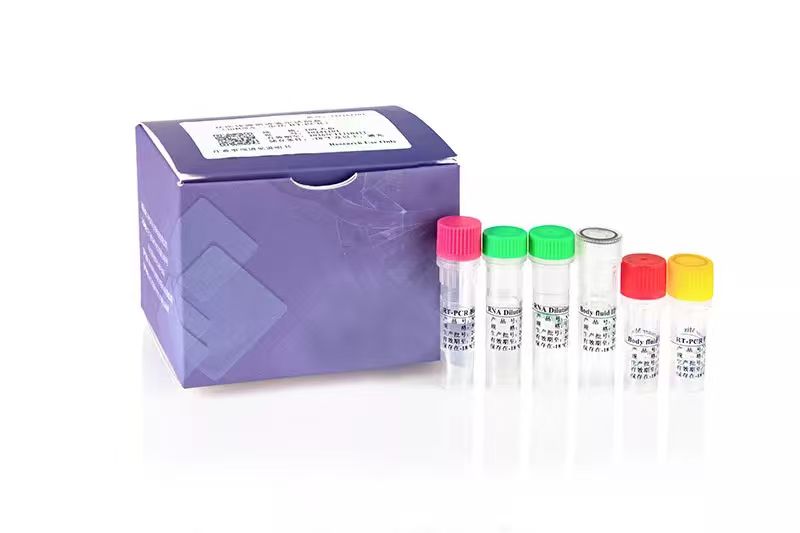
In the meticulous world of forensic investigation, identifying the source of biological evidence is a foundational step. The presence of specific body fluids at a scene can reconstruct events, establish contact between individuals, and provide crucial context for DNA profiling. This process moves beyond simply detecting genetic material to pinpointing its biological origin, whether it be blood, saliva, semen, or other secretions. Accurate body fluid identification directly informs the investigative strategy and strengthens the evidential value of subsequent DNA analysis.
Traditional methods for identifying biological stains often rely on chemical or immunological presumptive tests. While useful for initial screening, these techniques can lack specificity, potentially yielding false positives from substances with similar chemical properties. Furthermore, they may not distinguish between different body fluids from the same individual or provide conclusive evidence that is robust enough for modern courtroom standards. This highlights the need for more definitive molecular approaches in contemporary forensic casework.
The Critical Role of Body Fluid Analysis in Crime Scene Investigation
The analysis of body fluids serves as a powerful investigative lens. Identifying blood spatter patterns, for instance, can help analysts determine the mechanics of a violent encounter. Confirming the presence of saliva on a cigarette butt or a bite mark can directly link a person to a specific location or action. In sexual assault cases, the definitive identification of semen is paramount. Each type of biological material tells a part of the story, and confirming its nature with high confidence is essential for building a coherent and scientifically sound narrative for investigators and the courts.
Challenges in Traditional Body Fluid Identification Methods
Forensic scientists have long sought methods that offer greater certainty. Older techniques might indicate the likely presence of blood but cannot confirm it is human in origin without further testing. Some reagents used in presumptive tests can also degrade the DNA present, compromising the downstream genetic analysis. The evolution of forensic molecular biology aims to overcome these limitations by targeting molecules unique to each fluid type, thereby increasing specificity, preserving DNA integrity, and providing results that meet the stringent requirements of forensic accreditation standards.
What is the Body Fluid Identification RT-PCR DNA Kit?
The Body Fluid Identification RT-PCR Kit represents a significant advancement in forensic biology, utilizing molecular genetics to deliver conclusive answers. This kit is designed to detect specific messenger RNA (mRNA) markers that are expressed uniquely in different body fluids. Unlike DNA, which is the same in every cell, the pattern of mRNA molecules present can act as a molecular signature, revealing whether a sample originated from blood, semen, saliva, or vaginal epithelium. This approach transforms body fluid identification from a presumptive science into a confirmatory one.
At its core, the kit provides all the necessary reagents to perform a highly sensitive and multiplexed molecular assay. It is formulated for reliability and ease of use within the controlled environment of a forensic DNA laboratory. By integrating this technology into their workflow, labs can add a powerful layer of specificity to their analytical capabilities, ensuring that the biological source of evidence is accurately characterized before precious DNA extracts are consumed for profiling.
Core Technology: Reverse Transcription Polymerase Chain Reaction (RT-PCR)
The technology powering this kit is a two-step process known as Reverse Transcription Polymerase Chain Reaction. First, the enzyme reverse transcriptase converts the fragile RNA molecules extracted from a forensic sample into complementary DNA (cDNA). This stabilizes the target sequence. Next, the powerful polymerase chain reaction amplifies these cDNA targets specific to each body fluid. When performed on a real-time PCR instrument, this process allows scientists to monitor the amplification as it happens, providing both detection and confirmation in a single, closed-tube assay, which minimizes contamination risk.
Key Components and Reagents of the Forensic Identification Kit
Each kit contains optimized master mixes, which include the enzymes for both reverse transcription and DNA amplification, along with nucleotides and buffer salts. Crucially, it includes primer and probe sets designed to hybridize specifically to the selected mRNA markers for each body fluid. These probes are tagged with fluorescent dyes, enabling detection on real-time PCR platforms. The kit also contains positive control templates to verify assay performance and internal controls to check for the presence of inhibitors that might affect the reaction, ensuring the integrity of every result.
Key Features and Benefits of Our RT-PCR Kit
This forensic identification kit is engineered with the operational demands of a modern laboratory in mind. It offers a combination of analytical power and practical utility that streamlines the body fluid identification process. The design focuses on delivering unambiguous results that support high-stakes decision-making, from the crime lab to the courtroom. Implementing this solution can enhance a laboratory's overall efficiency and the robustness of its final reports.
High Sensitivity and Specificity for Multiple Body Fluids
A primary advantage is the assay's exceptional sensitivity, capable of detecting minute quantities of RNA from degraded or limited samples often encountered in forensic casework. More importantly, its specificity is achieved by targeting multiple mRNA markers per fluid. This multi-parameter approach significantly reduces the chance of false positives. For example, the markers for semen are distinct from those for vaginal secretions, allowing for more informed interpretation in mixed samples, a common challenge in forensic biology.
Streamlined Workflow from Sample to Result
The kit protocol is designed for integration into existing forensic DNA laboratory workflows. Following RNA extraction, the setup for the RT-PCR reaction is straightforward, with pre-formulated master mixes reducing pipetting steps and potential errors. The simultaneous detection of multiple targets in a single reaction tube saves valuable time, reagents, and sample extract. This streamlined workflow enables laboratories to process more samples efficiently without compromising on the quality or definitiveness of the identification.
Compatibility with Standard Forensic Laboratory Equipment
Recognizing the capital investment in laboratory instrumentation, this kit is validated for use with major brands of real-time PCR systems commonly found in forensic facilities. This compatibility means laboratories can adopt this advanced body fluid identification technology without the need for new, specialized equipment. The assay parameters are pre-optimized for standard cycling conditions, allowing for a seamless implementation using the thermal cyclers and detection systems already in place for routine DNA quantification or analysis.
Target Body Fluids and Biomarkers
The kit's panel is carefully curated to address the most forensically relevant biological materials. It targets stable mRNA transcripts that serve as reliable indicators for the presence of specific body fluids. By moving beyond protein-based detection to a genetic level, the assay provides a more stable and specific target, as mRNA sequences are unique to humans and to particular cell types. This molecular specificity is the key to converting a biological stain from an unknown substance into a clearly identified piece of evidence.
Reliable Detection of Blood, Semen, Saliva, and Vaginal Secretions
The assay includes markers for the four primary body fluids of interest in criminal investigations. For blood, it targets transcripts expressed in red blood cell precursors or other blood-specific genes. For semen, markers specific to seminal vesicle or prostate epithelium are used. Saliva identification relies on transcripts highly expressed in salivary glands. For vaginal secretions, markers associated with vaginal mucosal cells are targeted. This comprehensive panel covers the vast majority of biological evidence types submitted to forensic DNA laboratories for analysis.
Understanding Tissue-Specific mRNA Markers for Conclusive Identification
The science behind this identification lies in gene expression. While every nucleated cell in a person's body contains the same DNA blueprint, different tissues "express" or activate different sets of genes. The intermediate molecule in this process is mRNA. A skin cell, a white blood cell, and a salivary gland cell will all contain different populations of mRNA molecules. The kit's probes are designed to find these tissue-specific mRNA "fingerprints," allowing forensic scientists to report not just that human biological material is present, but precisely what type of material it is.
Application Workflow for Forensic DNA Labs
Implementing this body fluid identification assay involves a clear, standardized process that fits within the larger framework of forensic DNA analysis. The workflow begins with the careful handling of the evidentiary sample and proceeds through molecular analysis to data interpretation. Each step is designed to maintain the chain of custody and the integrity of the sample while extracting the maximum amount of information from often challenging biological stains.
Step 1: Sample Collection and RNA Extraction
The process initiates with the collection of a sub-sample from the stained material, following standard forensic protocols to avoid contamination. The critical first analytical step is the extraction of total RNA. This requires specialized reagents that can lyse cells, inactivate RNases (enzymes that degrade RNA), and purify the RNA away from other cellular components and potential inhibitors. The quality of this extraction directly impacts the success of the downstream RT-PCR assay, making the use of a robust RNA extraction method essential for reliable body fluid identification.
Step 2: RT-PCR Setup and Reaction Protocol
Following extraction, a portion of the purified RNA is added to the prepared master mix containing all necessary enzymes, nucleotides, and the specific primer-probe sets. The reaction plate or tubes are then loaded into a real-time PCR instrument. The thermal cycling protocol first holds a temperature optimal for the reverse transcription step, creating stable cDNA. This is immediately followed by numerous cycles of denaturation, annealing, and extension, which exponentially amplify the cDNA targets. Fluorescence data is collected during each cycle, providing the raw data for analysis.
Step 3: Data Analysis and Interpretation of Results
After the run is complete, the software analyzes the fluorescence curves to determine at which cycle the signal for each target crosses a pre-defined threshold (the Ct value). The pattern of which targets are detected forms the basis of interpretation. A positive result for blood-specific markers, for instance, confirms the presence of blood. The internal control confirms the reaction was not inhibited. Analysts are provided with clear guidelines to interpret single-fluid and mixed-fluid profiles, leading to a conclusive statement about the body fluid origin of the sample.
Technical Specifications and Performance Data
The validation of any forensic tool is paramount. This body fluid identification kit is supported by extensive developmental validation data that defines its performance characteristics. These parameters are critical for laboratories seeking to implement the assay and for analysts who must testify to its reliability. The data demonstrates the kit's robustness, sensitivity, and specificity under conditions that mimic real forensic casework, including the analysis of aged, diluted, or compromised samples.
Assay Sensitivity (Limit of Detection) and Reproducibility
Sensitivity is measured as the limit of detection (LOD), which is the smallest amount of input RNA from a specific body fluid that can be reliably detected. Validation studies for this kit establish a low LOD, ensuring it is fit for purpose with typical forensic samples. Reproducibility, a measure of precision, is demonstrated through experiments showing consistent results across different operators, different instruments, and over multiple days. This high level of reproducibility is essential for maintaining quality standards in an accredited forensic DNA laboratory.
Validation Studies and Forensic Accreditation Support (ISO 17025)
Comprehensive validation is the cornerstone of forensic method implementation. The kit is supplied with detailed validation data packages that laboratories can use as a starting point for their own internal validation studies, a requirement for accreditation under standards like ISO/IEC 17025. This data typically includes studies on specificity, sensitivity, reproducibility, inhibitor tolerance, and stability. By providing this foundational information, the kit supports laboratories in building the necessary documentation to demonstrate the competency and reliability of their body fluid identification procedures to accrediting bodies.
Why Choose Our Forensic DNA Kit?
Selecting analytical tools for a forensic laboratory involves balancing scientific rigor with practical operational needs. This Body Fluid Identification RT-PCR Kit is developed specifically to meet the unique challenges of forensic biology. It is more than just a set of reagents; it is part of a complete solution aimed at elevating the quality and definitiveness of forensic reporting. From its design to its supporting documentation, every aspect is tailored for the professional forensic environment.
Designed for High-Throughput Forensic DNA Laboratories
The kit format and assay design accommodate the scale of modern forensic casework. Ready-to-use master mixes and a multiplexed reaction setup minimize hands-on time. The protocol is easily scalable, allowing labs to process single reference samples or large batches of evidence items with the same level of confidence and efficiency. This design philosophy ensures that integrating confirmatory body fluid identification does not become a bottleneck in the laboratory's workflow.
Comprehensive Technical Support and Validation Documentation
Implementation is supported by extensive resources. Beyond the kit components, access to detailed technical manuals, optimized protocols, and analysis guidelines is provided. Furthermore, the available validation documentation serves as a robust framework for a laboratory's own internal validation report. This level of support is crucial for forensic scientists who must understand and defend the methodology, ensuring a smooth transition to this advanced technique and its acceptance within the judicial system.
Enhancing Your Lab's Capabilities with Cutting-Edge Molecular Biology Tools
Adopting mRNA-based body fluid identification places a laboratory at the forefront of forensic science. It replaces subjective interpretations with objective, data-driven results. This enhancement of capabilities strengthens the laboratory's overall service offering, providing investigators with more informative reports and contributing to a stronger, more scientifically rigorous justice system. It represents an investment in both current casework and the future standard of practice in forensic biology.
Frequently Asked Questions (FAQs)
Common questions arise when laboratories consider new methodologies. These questions often focus on the practicalities of implementation, the scientific distinctions from older methods, and the support available for integration into an accredited quality system.
How does this kit differ from presumptive tests for body fluids?
Presumptive tests, like those using chemicals such as luminol for blood or the acid phosphatase test for semen, indicate the possible presence of a fluid based on a chemical reaction. They are screening tools that can yield false positives. This RT-PCR kit is a confirmatory test. It identifies the fluid by detecting specific human mRNA sequences unique to that tissue type, providing a much higher level of specificity and scientific certainty suitable for evidential reporting.
What are the storage conditions and shelf life of the kit components?
The key enzyme mixes and primers/probes are typically shipped and stored at -20°C to ensure long-term stability. Under these recommended storage conditions, the kit components have a shelf life of 12 months or more from the date of manufacture. It is crucial to follow the storage guidelines outlined in the product insert to maintain optimal performance of the sensitive reagents, particularly the enzymes responsible for the reverse transcription and amplification reactions.
Is training available for implementing this RT-PCR assay?
Yes, comprehensive support is available for implementation. This can include detailed application notes, webinars covering the protocol and data analysis, and hands-on training workshops. For laboratories establishing the method for the first time, consultation on experimental design for internal validation is often provided to ensure the studies meet forensic standards and address the laboratory's specific operational context and sample types.
Related Products and Complete Forensic Solutions
The Body Fluid Identification RT-PCR Kit is one component of a full suite of products designed for the forensic DNA laboratory. A complete workflow solution ensures compatibility between steps, optimizes performance, and simplifies procurement. From sample collection to final data analysis, a coordinated system of instruments, kits, and consumables enhances efficiency and result reliability.
RNA Extraction Kits for Forensic Samples
Successful mRNA analysis begins with high-quality RNA extraction. We offer specialized nucleic acid extraction kits optimized for challenging forensic samples. These kits are designed to efficiently lyse a wide range of sample types, from fabric swatches to hard surfaces, while effectively removing inhibitors that could compromise downstream RT-PCR analysis. Using a compatible extraction system ensures maximum recovery of intact RNA for the most sensitive body fluid identification results.
Real-Time PCR Systems and Consumables for Your Lab
To perform the RT-PCR assay, a reliable real-time PCR instrument is required. We provide access to industry-leading real-time PCR systems known for their precision, sensitivity, and high-throughput capabilities. Furthermore, a full range of compatible consumables—including optical reaction plates, sealing films, and pipette tips—is available. Using a validated system of instrument and consumables ensures optimal thermal conductivity, signal detection, and minimal risk of cross-contamination during plate setup.
Explore Our Full Range of Forensic DNA Analysis Kits and Reagents
Beyond body fluid identification, we support the entire forensic DNA workflow. This includes kits for DNA extraction from various substrates, human DNA quantification assays to measure the amount of DNA present, amplification kits for STR profiling, and reagents for capillary electrophoresis. By offering a complete portfolio, we serve as a single source for forensic laboratories, providing consistent quality, streamlined validation, and integrated technical support for all their molecular biology needs.
Get a Quote
Contact our sales staff, tell us your needs, and we will provide you with the most suitable solution.
Contact Now